

The Fake Dating Trope Has Become Lazy Writing in Romance

I can’t count how many times I’ve read a romance blurb, seen “fake dating,” and instantly predicted the next five scenes, the awkward event, the one-bed hotel, the jealousy spike, the “we’re only pretending” lie, then the big feelings confession. It’s not that I hate it, I’m just tired of feeling like I’m reading the same outline with new character names.
The fake dating trope is when two characters agree to pretend they’re in a relationship for a specific reason, then real feelings show up and complicate everything. I still like fake dating, but it’s started to feel like lazy writing when the setup is flimsy and the characters don’t change. When it works, it’s because the “why” is deep, the pressure is real, and the pretending forces honesty instead of stalling it with yet another miscommunication blowup.
I’m writing this for romance and women’s fiction readers who want comfort reads that still feel earned, not autopilot. I’ll give a fair take on what fake dating does well (and why it stays popular), what goes wrong when it turns into filler (see my list of overused tropes ruining romance fiction), and the practical fixes that make it feel fresh again.
I’ll also share better alternatives when you want the same tension without the fake couple contract, plus character-first tweaks that keep the emotional payoff honest (because strong heroines deserve more than a shaky premise).


Why fake dating keeps showing up everywhere in romance
The fake dating trope shows up so often because it does a ton of work fast. It sets a clear goal, it adds social pressure, and it gives the characters a reason to be physically close without jumping straight to commitment. When I’m in the mood for comfort, I get why it’s tempting. The problem is that once you’ve read enough romance, you can feel the rails under the story.
Still, popularity makes sense. Fake dating is an instant promise to readers: awkward public moments, private tenderness, and that slow slide from pretending to choosing each other on purpose (the part that actually matters). If you like tracking how familiar patterns work across genres, this breakdown of women’s fiction tropes is a great reminder that readers often come for emotions they recognize, then stay for what the author does with them.
It is a clean, easy engine for tension and close moments
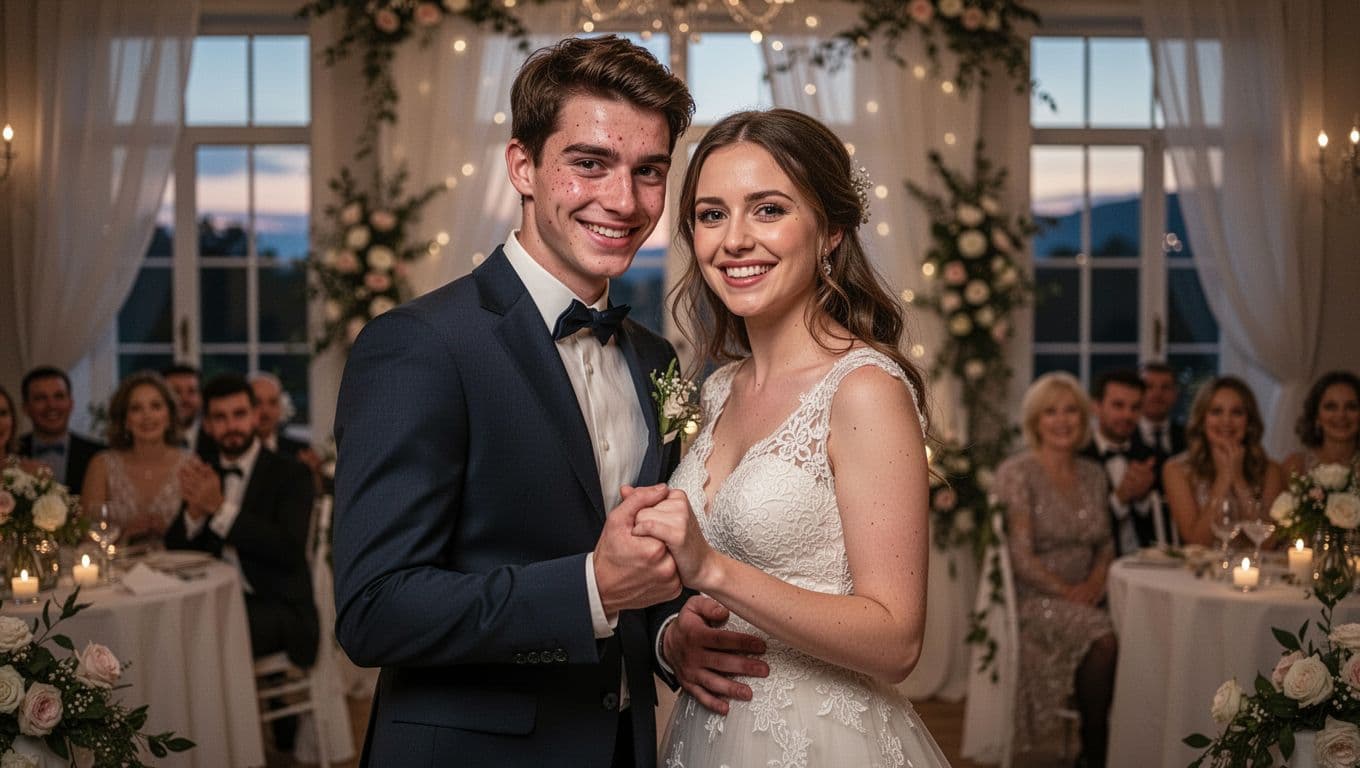 Two people keeping up appearances at a formal event
Fake dating creates external stakes in one plot. There’s an event coming up, there’s a family member who won’t stop asking questions, there’s a workplace power issue, there’s a small-town rumor mill that turns “seen together once” into “they’re basically engaged.” In other words, the characters aren’t only dealing with feelings, they’re dealing with eyes on them.
That pressure also hands the author natural reasons for closeness. Hand-holding reads as “we’re selling it.” A kiss reads as “we need to stop your aunt from interrogating us.” Forced proximity becomes plausible because they have to show up together, travel together, or keep the story straight. If you’ve ever noticed how a subplot can tighten the main story’s screws, this guide on romance subplot vs main plot explains why this kind of setup is so efficient.
Most readers can spot the “set piece” scenes a mile away, because they’re almost a greatest-hits album:
- The wedding date where they pose for photos, then keep touching a second too long.
- The holiday dinner where a parent says something sharp and the “fake” partner steps in.
- The jealous ex appearance that forces a public claim, even if it’s messy.
- The one-bed mix-up that turns into quiet intimacy and accidental honesty.
- The small-town run-in at the diner, the market, the pier, the church fundraiser.
Those scenes feel satisfying when they’re earned. I don’t mind the wedding photo moment if the relationship has real friction underneath it, like pride, grief, or fear of being chosen. I don’t mind the one-bed scene if it reveals character, not just skin. The fake dating trope starts to feel lazy when the story uses these moments like stickers slapped onto a blank notebook. When it works, each set piece forces a decision, and decisions create change.
It plays nicely with other romance favorites
Fake dating is rarely the whole meal. It’s more like the plate the story arrives on. That’s why it pairs so easily with other romance favorites:
- With enemies to lovers, the pretend relationship forces them to cooperate before they’ve earned trust. The fun comes from watching hostility crack into protection.
- With friends to lovers, the “we’re only pretending” line gives them cover to explore what they already want.
- With grumpy sunshine, fake dating puts the grump in situations where they have to show up, smile, and (eventually) care.
- With small-town romance, public perception becomes a third character. Everyone has opinions, and privacy is a myth.
I think this is why fake dating keeps appearing in cozy settings. A small town is basically a pressure cooker with a cute main street. If you love that feeling, these reflections on life lessons small coastal towns teach you explain why community closeness can feel comforting and suffocating at the same time. It’s perfect fuel for pretend dating, because the couple can’t hide from the audience.
But no matter what it’s paired with, the real story still has to be about trust, vulnerability, and choice. The “contract” matters less than the moment one person decides, “I’m not doing this because it’s convenient anymore.” I notice the strongest fake dating romances give the leads full lives and real boundaries, the kind I look for in romance books with strong independent female protagonists. When the characters have solid agency, the pretending doesn’t erase them, it tests them.
If the book forgets that the romance is supposed to be about choosing each other honestly, the trope turns into stalling. And if you want a quick gut-check for how much “sparkle” versus “depth” you’re getting, this post on women’s fiction vs romantic comedy maps the difference in a way that also explains why fake dating shows up so much in romcoms.
The market rewards familiar hooks, especially in blurbs and social media

In 2025 to 2026 reading culture, trope-led discovery is the norm. I see it in recommendation posts, themed lists, StoryGraph-style challenges, and those rapid-fire “if you like X, read Y” reels. A blurb doesn’t have much room anymore, so “fake dating” acts like a shortcut. It tells readers the vibe, the likely scenes, and the emotional trajectory in two words.
Social platforms make that even more intense because books spread as shareable moments. When people talk about a romance online, they often talk about the hook first, then the feelings. This post on ways social media is transforming the romance genre puts language to what I’ve been noticing as a reader: tropes help books travel faster because they’re easy to pitch.
And familiar isn’t bad. Familiar is why romance can feel like a safe place to land. I actually like knowing the story will deliver a certain kind of payoff, like the emotional beats described in things women love to read about in romance fiction. The catch is that familiar patterns raise expectations. When I pick up the fake dating trope, I already know the usual shape, so I’m watching for what makes this version specific.
Familiar hooks create faster trust, but they also create faster skepticism. If the “why” is weak, I can feel it immediately.
That’s why execution matters more now. In a binge-reading mood, I’m moving quickly. I’ll give a book a chapter or two to convince me the pretending has real consequences. The best versions don’t only parade out set pieces, they make each one cost something. When they do, the trope feels less like a formula and more like a spotlight, exposing what the characters are afraid to admit.
For me, the fake dating trope stays popular because it’s readable, pitchable, and built for quick emotional momentum. The only problem is that once readers know the pattern, the story has to bring something extra, like sharper character work, deeper motivation, or a more honest look at what “pretending” does to real people. If you’re curious how repeated romance patterns can shape what we expect from love stories (and even real love), this piece on how romance fiction influences our expectations of real love connects those dots in a way that made me pause.
When fake dating starts to feel like lazy writing
I can enjoy the fake dating trope the way I enjoy a familiar romcom setup. Still, there’s a point where it stops feeling like tension and starts feeling like stalling. When that happens, I’m not watching two people fall in love, I’m watching an author protect a premise.
For me, the difference comes down to pressure. Real pressure creates hard choices. Fake pressure creates convenient scenes. And once I feel the seams, the romance loses its grip.
The reason to fake it is so thin it breaks the story
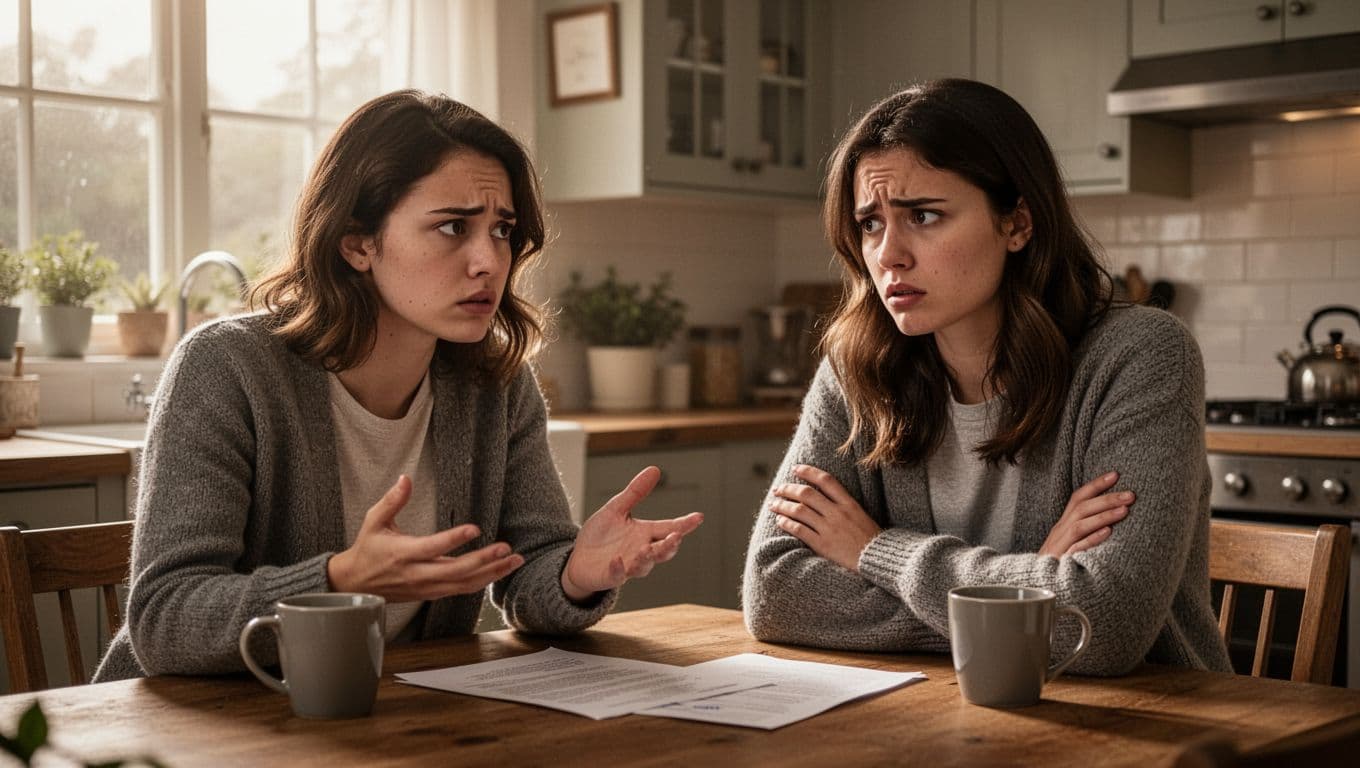 Two people realizing their “plan” doesn’t hold up
The most common weak motivations all sound fine in a blurb, then collapse on the page. Make an ex jealous. Prove I’m lovable. Avoid one awkward question at a wedding. Those reasons can work for a scene, but they rarely work for an entire romance without extra weight behind them.
Here’s my believability test: if one honest conversation would solve it, the fake relationship feels forced. When the characters could just say, “We broke up,” or “I’m not dating right now,” and life moves on, then the “need” to fake it reads like a writer tugging strings. It becomes a cousin of the tired miscommunication blowup, except now everyone is signing contracts and calling it plot.
I buy the fake dating trope more when the motivation has real consequences, not just vibes. Stronger categories usually look like this:
- Career risk: a public-facing job, a morality clause, a political campaign, a reputation-based business.
- Custody or family pressure: not “my mom nags,” but “my child’s stability is on the line.”
- Small-town reputation: in a tight community, rumors can cost you work, housing, or safety (which is why small-town settings hit when they’re written with the emotional honesty you see in coastal town life lessons).
- Immigration or legal stakes (handled carefully): high responsibility, zero cute shortcuts.
- Protecting privacy: shielding a sibling, a child, or a traumatic past from public scrutiny.
The best fake dating setups don’t feel “fun.” They feel necessary. That necessity is what makes the romance land.
If the story is going to ask me to believe a lie, it has to cost something to tell the truth.
It replaces real character work with a checklist of scenes
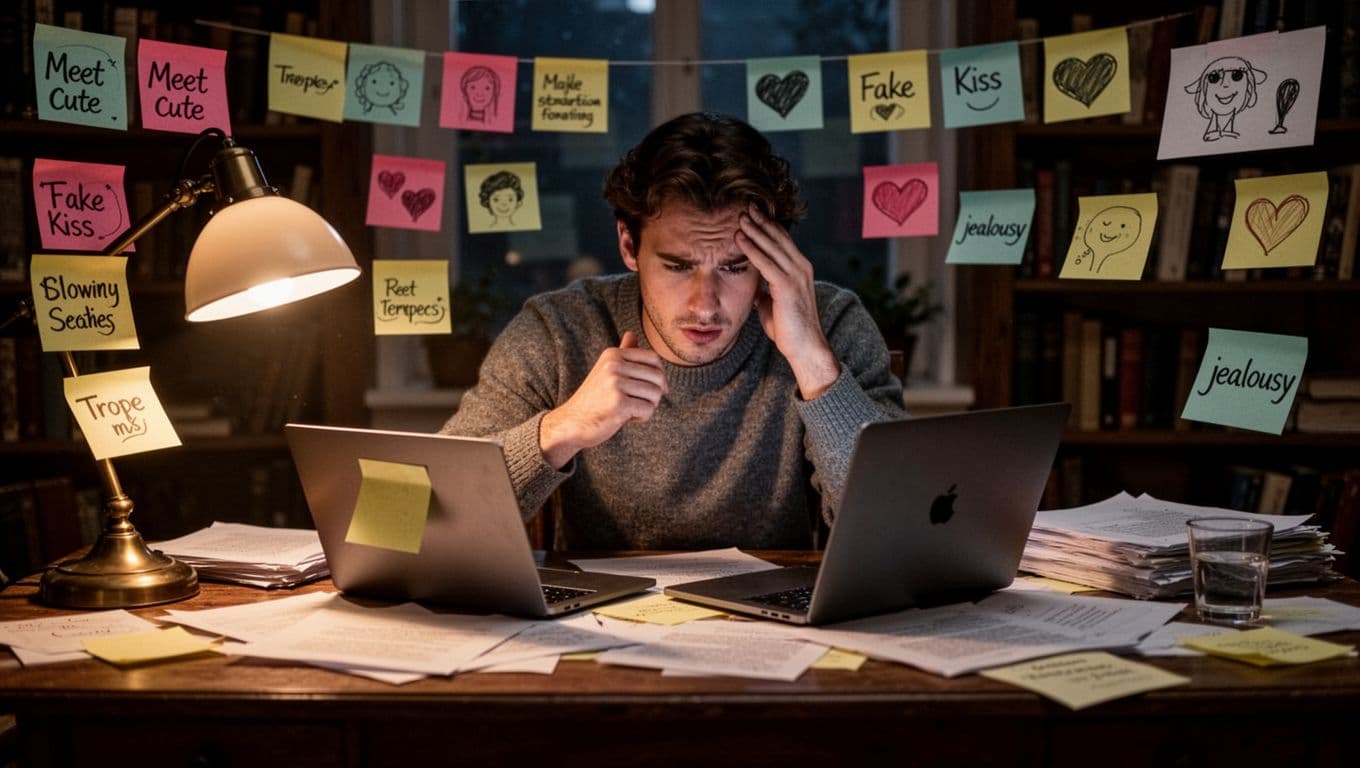 The “trope autopilot” feeling
When fake dating gets lazy, I can feel the story slip into what I call trope autopilot. The scenes show up in the expected order, like a playlist that keeps repeating:
Meet cute, “rules” talk, fake kiss, jealousy beat, third-act breakup, big confession, done.
Nothing is wrong with those beats on their own. The problem is what disappears underneath them: personal growth, hard choices, and emotional specificity. Instead of the characters changing because of what love asks of them, they just hit their marks. It starts to resemble the broader problem in overused tropes ruining romance fiction, where the structure does more work than the people.
A quick diagnostic I use as a reader is this: if I could swap the couple with any other couple and nothing changes, the story is running on the trope, not the characters. That’s a chemistry problem, yes, but it’s also a voice problem. It’s the absence of the little details that make a romance feel lived-in, like the way one person deflects with jokes, or the way the other goes quiet when they feel cornered.
The fix is not “be original,” it’s “be personal.” I want to see who these two are outside the setup. Give me a heroine with agency, the kind I look for in romance books with strong female leads or a list like best romance novels with strong, competent heroines. Give me a love interest whose loyalty has a cost.
Also, when authors treat fake dating as a machine that generates tension, they often forget plot balance. A romance still needs a spine. That’s why it helps to understand how tension works when you separate romance subplot vs main plot. If the fake dating contract is the whole plot, the story can feel like a sketch that never turns into a painting.
The lie goes on too long, so the characters seem childish
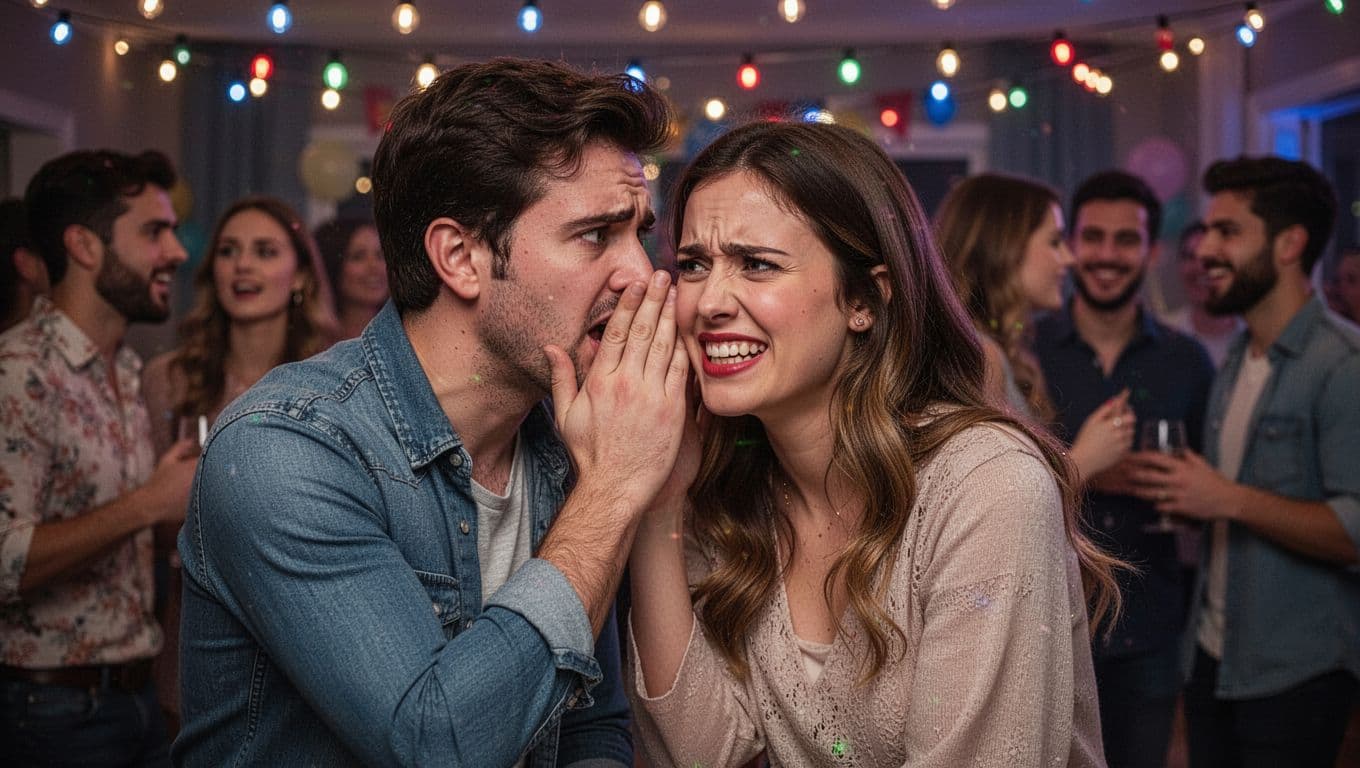 Two people trapped by a lie that has lasted too long
Pacing is where the fake dating trope either tightens or falls apart. When the lie drags on for too long, I start to feel that teeth-grinding reader frustration: just tell the truth. Not because honesty is always easy, but because the story isn’t giving me a reason it’s hard.
A long-running secret can make characters look less like adults in a messy situation and more like kids hiding a broken vase. The longer it goes, the more the fallout spreads. Friends get manipulated. Family members invest emotionally. Coworkers make decisions based on false information. At some point, the lie stops feeling “romantic and complicated” and starts feeling unkind.
This is also where a lot of romances accidentally undercut their own emotional message. If the book wants me to believe these two are ready for love, then I need to see them handle discomfort with some maturity. Otherwise, the whole thing reads like a stretched version of the same problem I complain about in romcom-heavy plots (the tone difference is why I like thinking in terms of women’s fiction vs romantic comedy).
A cleaner structure usually goes one of two ways:
- Reveal earlier: let the pretending crack fast, then make the story about the consequences and the real choice to keep dating for real.
- Make the truth complicated: not “I’m embarrassed,” but “if we tell the truth, my custody arrangement changes,” or “my boss will fire me,” or “my private life becomes public gossip overnight.”
When it’s done well, the lie isn’t just a delay tactic. It’s a pressure point that forces growth. If it isn’t forcing growth, it’s filler.
The romance turns into performative chemistry instead of earned intimacy
 Public affection versus private closeness
Fake dating is built for public moments, hand-holding at parties, a kiss for an audience, an arm around the waist to sell the story. That can be fun. But sometimes a romance confuses heat with connection, and the result is chemistry that looks good from across the room but feels hollow up close.
Public PDA is performance. Private closeness is where love actually forms.
I notice the emptiness when the couple has endless “prove it” moments, but almost no quiet scenes where they build trust. The kisses get louder. The feelings stay vague. It’s like watching fireworks without ever seeing the steady porch light that makes you feel safe.
Earned intimacy has signals, and they’re not all sexy. I believe the romance when I see things like:
- Listening that changes behavior, not just listening as a speech pause.
- Showing up in boring, unglamorous moments.
- Small sacrifices that cost time, pride, or comfort.
- Repair after conflict, not just an apology, but a new pattern.
- Learning fears, then protecting the soft spots without using them as weapons.
This is also why representation matters so much. When the characters feel specific and grounded, the love feels specific and grounded. That’s part of what I enjoy about recommendation spaces focused on fresh voices, like this list of romance books with Black female leads or the comfort of stories that let heroines be desired without a lecture, like these romance books with plus size FMCs. In both cases, the best romances don’t rely on spectacle to prove worth.
Readers want the feelings to land, not just the kiss. The fake dating trope stays satisfying when the pretending becomes a doorway to honesty, and the romance becomes more private than public. That’s when it stops being a performance and starts being a choice.
How I can tell fake dating is done well (and why it still works)
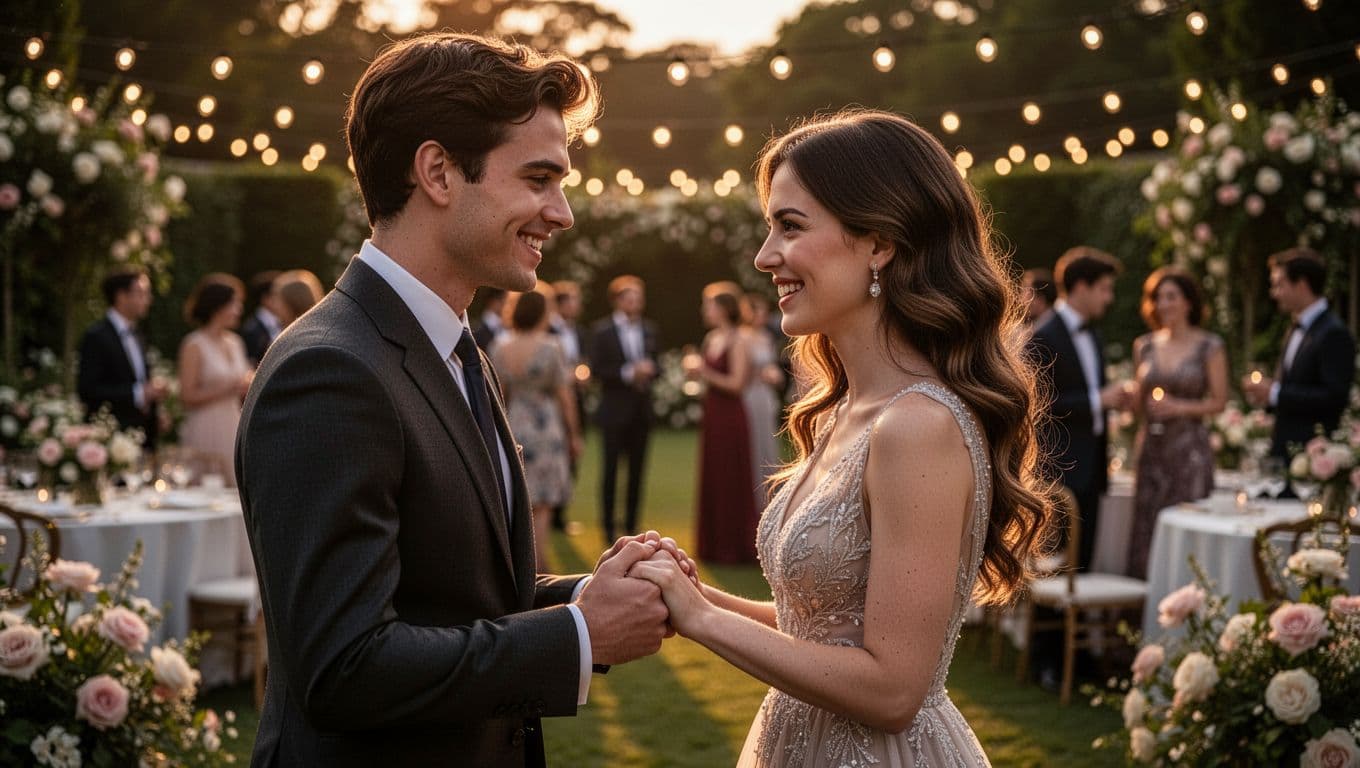 Two people balancing public performance and private feelings at a party
Even though I roll my eyes at plenty of fake dating books now, I still light up when an author gets it right. The fake dating trope works when it feels like a pressure cooker, not a cute accessory. The best versions make me believe these two people would choose this messy plan because their personalities, history, and fear patterns leave them with no clean option.
Also, I don’t need the setup to be wildly original. I need it to be tight. If the motive is sharp, the growth is real, and the fallout fits the characters, I’ll happily buy the lie and stay for the romance.
The “why” is specific, urgent, and personal to these two people
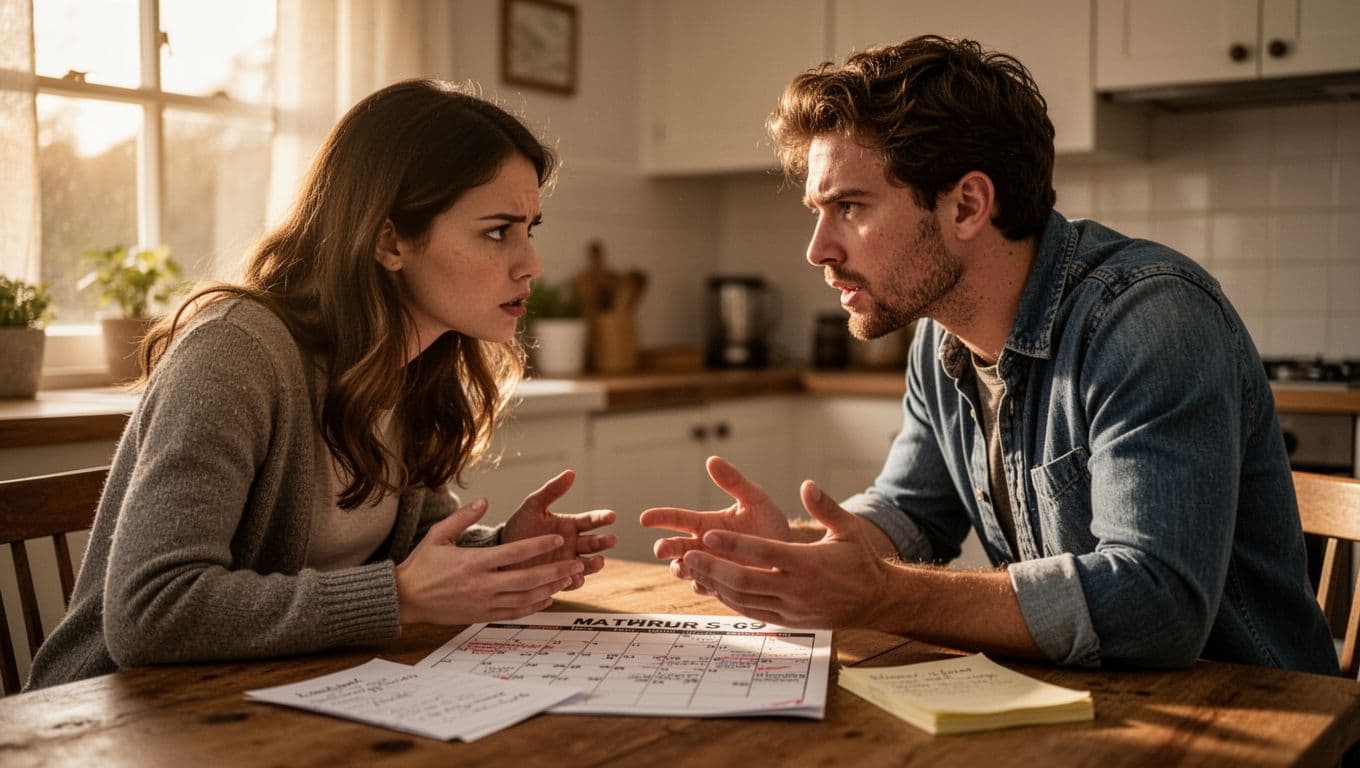 Two people hashing out a risky plan with real time pressure
When fake dating is done well, the “why” doesn’t feel like a flimsy excuse to get to the wedding scene. It feels like a problem these characters can’t sidestep without losing something important. That’s when the setup stops feeling lazy and starts feeling inevitable.
Here’s the simple framework I use as a reader. The motive has to be:
- Believable: A real-world reason, not just “my mom is annoying.” If the story wants me to accept a lie, the stakes need to match the lie. This is the same gut-check I use when I’m already annoyed by a familiar blowup, like the kind I talk about in my post on the miscommunication trope we all yell about.
- Time-bound: A deadline turns a premise into a plot. A weekend wedding. A month-long work event. A custody hearing. Without a clock, the fake dating trope often turns into stalling.
- Costly if it fails: Not “I’ll be embarrassed,” but “I’ll lose my job,” “I’ll lose the house,” “I’ll lose access to something I’ve worked for.” Cost is what makes me lean in.
What really sells it, though, is when the plan fits the characters’ habits. A people-pleaser would rather perform than disappoint. A reputation-obsessed hero would rather lie than look weak. A guarded heroine might agree because it keeps real vulnerability at arm’s length (which connects to why I’m so drawn to emotionally complex strong heroines).
I also notice the best setups are personal, not generic. It’s not “anyone could fake date anyone.” It’s “these two are uniquely useful to each other, and uniquely threatened by what this could become.” That’s when the romance starts to feel character-driven, not trope-driven, which is a big part of the wider conversation about women’s fiction vs romance differences.
If the motive could be solved with one calm conversation, the fake dating plan usually collapses. If it can’t, I’m listening.
Recent romance releases still prove this can work. Books like Funny Story (Emily Henry, 2024) or The Paradise Problem (Christina Lauren, 2024) get talked about because the fake setup creates real emotional friction, not just cute photo ops.
The fake relationship forces growth, it does not avoid it
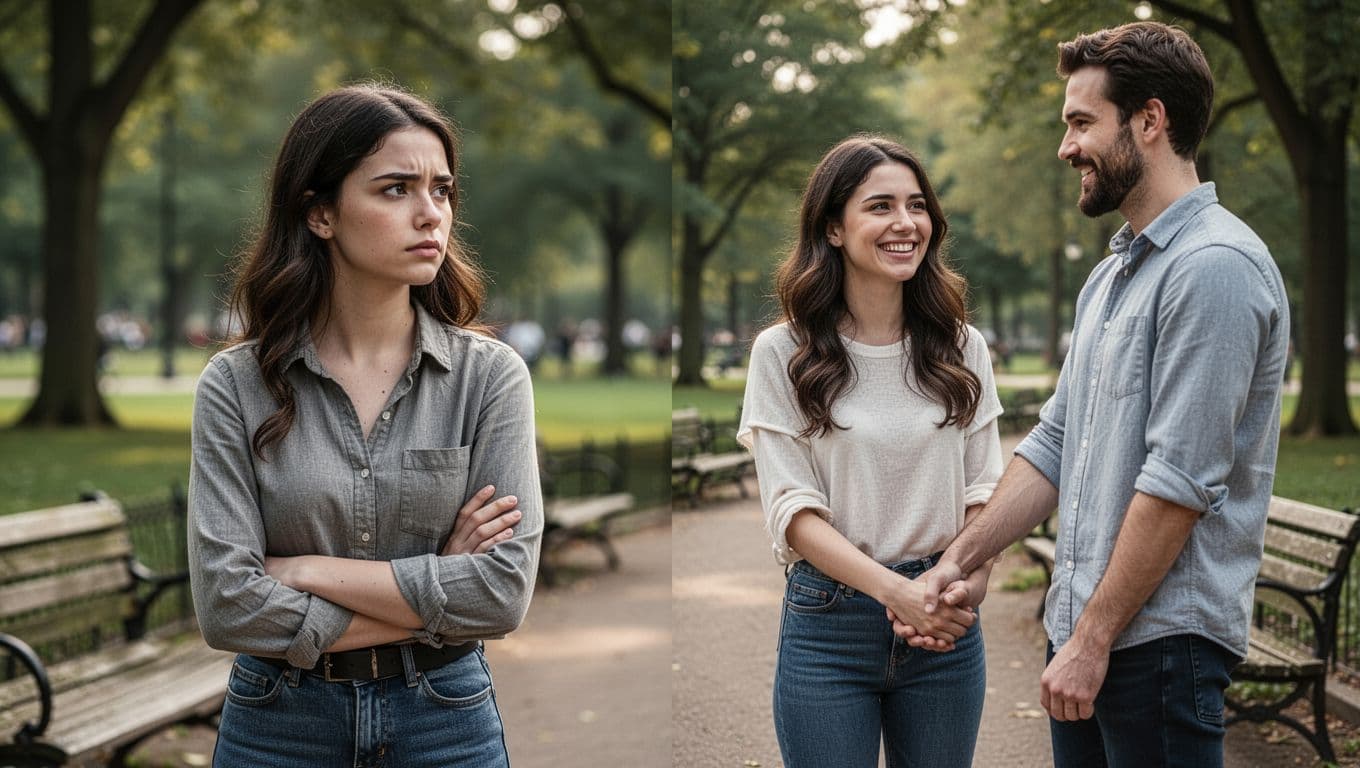 An emotional shift from guarded to open over time
If I had to sum up my biggest requirement for this trope, it’s this: the lie has to squeeze the characters until the truth leaks out. Fake dating should increase pressure, not provide cover. Otherwise, the whole romance becomes a waiting room with kissing.
The pretending works best when it forces the leads to practice skills they’re bad at. In other words, the “relationship” becomes a training ground for the real thing: honesty, boundaries, asking for help, naming desires. This is also why I’m picky about heroines having agency. If the heroine has no spine, the plan turns into her being dragged along. I’d rather read romances that understand why readers want capable leads, like the ones I highlight in romance books with strong female leads and romance books with strong independent female protagonists.
Two quick “before/after” examples show what I mean:
- Before: She’s a chronic people-pleaser. She agrees to fake date because she can’t say no.
After: The fake dating rules force her to speak up. She tells her family, “Stop asking questions.” Then she tells him, “Don’t touch me in public unless you ask.” - Before: He’s the guarded hero who handles everything alone. He likes a fake relationship because it feels controlled.
After: A public moment goes wrong, and he has to admit he needs help. He lets her in, not with a grand speech, but with a small, honest request.
I love it when those shifts show up in quiet scenes, not just big declarations. A romance doesn’t become convincing because of one dramatic kiss. It becomes convincing because I see new behavior repeated. That’s also where the fake dating trope can blend beautifully with the emotional shape of women’s fiction. If the book gives as much attention to her inner change as the couple arc, it starts to straddle the line I talk about in what is women’s fiction.
Finally, the fake relationship should poke at their soft spots. If he fears being chosen second, the “pretend boyfriend” role should make that fear louder. If she’s ashamed of wanting love, the performance should trap her into admitting she wants it even offstage. That’s the good stuff, the kind that makes a familiar trope feel earned instead of recycled (similar to how I think about women’s fiction themes and tropes when they’re done with heart).
The third-act conflict comes from the characters’ wounds, not a random misunderstanding
When fake dating collapses in the third act, I want the fallout to feel like a bill coming due, not a random accident. The strongest third-act conflicts come from the characters’ oldest fears and their most stubborn coping habits. That’s why, even in a lighter romance, the ending has to honor what the story taught me about these two people.
A better third-act problem usually looks like one of these:
- Fear of being chosen: One lead assumes the other will leave once the “contract” ends, because that’s what always happens.
- Shame: The lie wasn’t only public, it was personal. Maybe it was tied to family judgment or a past mistake, so telling the truth feels like reopening an old wound.
- Past betrayal: Someone cheated, abandoned, or used them before. So when the fake relationship turns real, they don’t trust it.
- Values clash: Career choices, family duties, or community ties collide. The romance can’t survive unless someone changes a real priority.
- A real consequence of the plan: A client drops them, a family member gets hurt, a friendship cracks, or a business takes a hit. That consequence should connect to the stakes that made the lie “necessary” in the first place.
Misunderstandings can still happen. I’m not asking for perfect communication at all times. I’m asking for misunderstandings that fit who they are, and for repair that feels adult. A satisfying romance doesn’t end because someone overheard half a sentence. It ends because two people finally stop hiding.
This is where I’m extra sensitive to stories that default to drama instead of action. If the book wants me to trust the happily ever after, I need to see honest conversation plus follow-through. That’s the same reason I pay attention to how a story is structured, and why I like thinking about tension in terms of romance subplot vs main plot. The conflict can be big, but it still has to serve the emotional arc.
And if the third act is going to hurt, let it hurt for the right reasons. Let the breakup happen because she finally sets a boundary, not because she runs away from a voicemail. Let him mess up because he panics and tries to control the narrative, then let him fix it with accountability.
When authors do that, the fake dating trope stops feeling like a shortcut and starts feeling like a spotlight. It exposes what the characters protect, what they avoid, and what they’re finally ready to choose.
Better options than fake dating when I want a fresh romance plot
When I want a romance to feel new, I reach for setups that create closeness without the fake dating trope contract. I still want tension, public pressure, and that delicious “wait, why do I care this much?” moment. I just want it to come from real life, not a shaky lie that exists mainly to hit predictable scenes.
The good news is that romance has plenty of other engines. The best ones force the characters into contact for reasons they can’t shrug off, then make them earn trust in small, believable steps. If you like character-driven stories (the kind I talk about in women’s fiction themes and tropes), these alternatives often land harder because they make honesty part of the attraction.
Forced proximity with real stakes beats pretending, every time
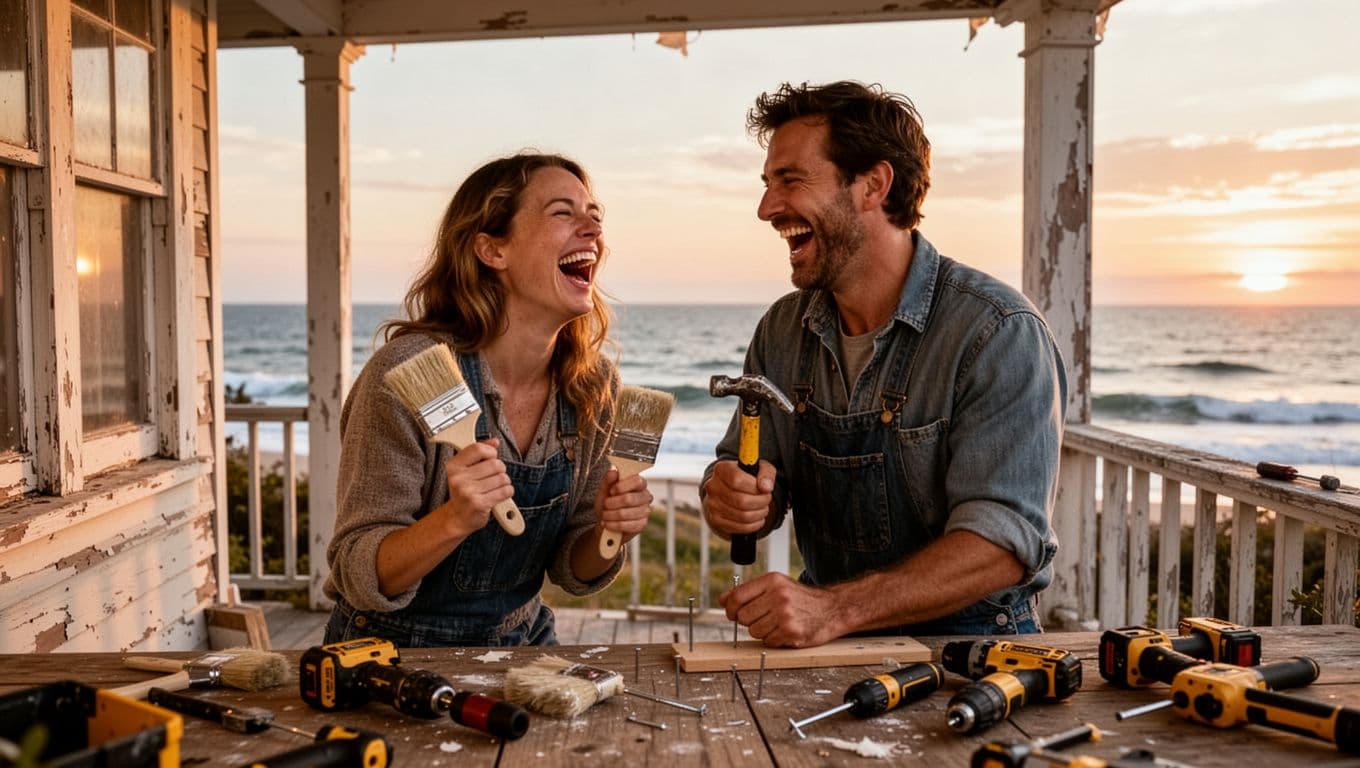 Two people growing closer while fixing up a coastal family home
Forced proximity works because it doesn’t ask me to buy a lie. It asks me to buy life. Bills are due, a roof leaks, a family member needs help, the town expects a fundraiser to happen anyway. In other words, the characters share space because they have to, and the romance builds in the cracks between duty and desire.
Here are a few modern setups I’ll take over pretend dating almost every time:
- Caretaking after an injury: One character can’t do normal life for a while, so the other steps in. That’s instant vulnerability, and it pairs well with emotional growth (the kind I love in emotionally complex strong heroines).
- Renovating a family home: A shared project creates steady contact and constant problem-solving. Also, a half-painted bedroom has more intimacy than a “rules of fake dating” conversation.
- Launching a community event: A festival, a charity auction, a holiday market. The town becomes the pressure, which fits the cozy community vibe I associate with small coastal town life lessons.
- Stuck together during a storm: Not for the gimmick, but for the practical fallout, no power, limited supplies, helping neighbors, real discomfort.
- Co-parenting a pet or a project: A foster dog, a garden plot, a scholarship fund, a teen’s school play set. It’s shared responsibility without the contrived “we need wedding photos” premise.
What makes these feel more honest is the emotional math. They’re not close because they made a cute plan. They’re close because life demanded cooperation, and cooperation exposes character. If conflict shows up, it’s usually the kind that can’t be solved by one quick text, which is why it sidesteps the frustration I get with the miscommunication trope.
If the characters are together because life cornered them, the feelings tend to arrive with fewer excuses and more truth.
Rivals, partners, and messy teamwork create natural sparks
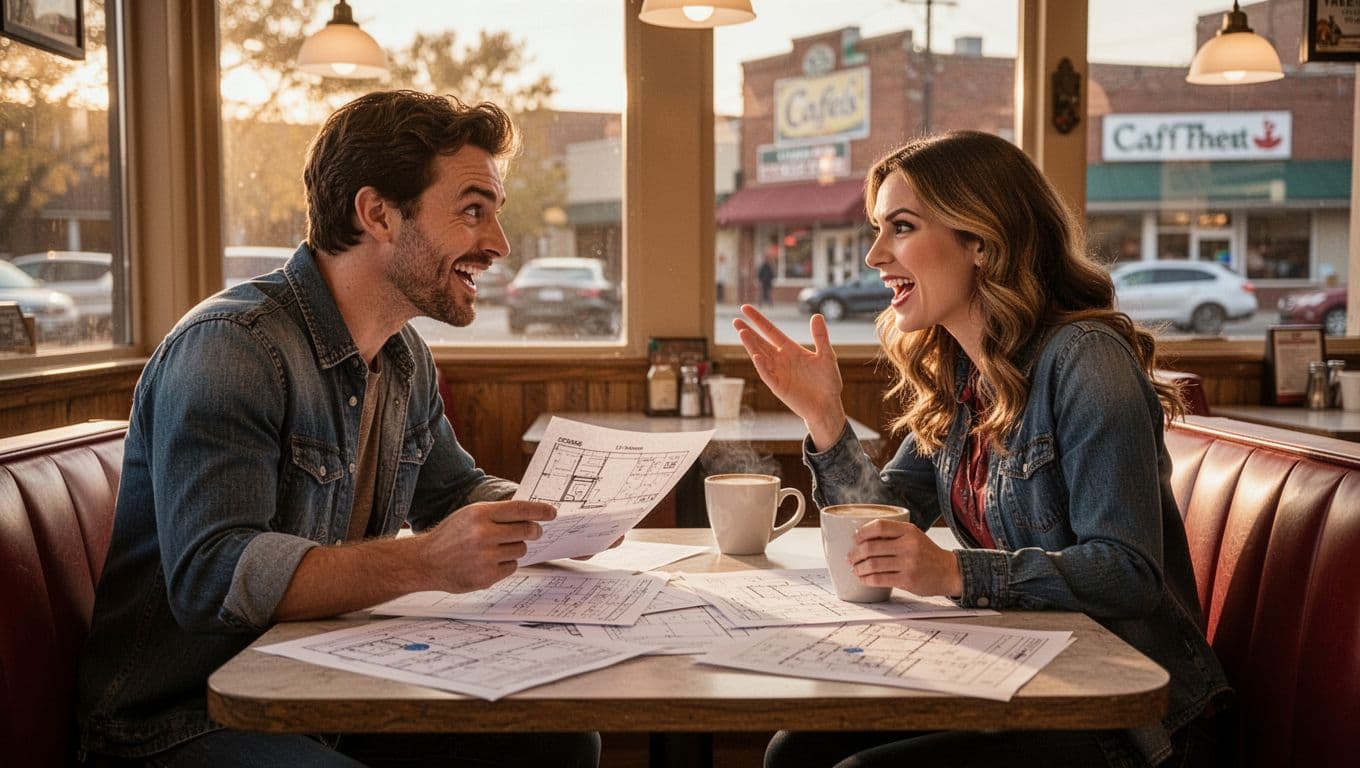 Two rivals forced into teamwork over a community project
If I want sparks without pretending, I give the couple a shared goal and competing priorities. Rivalry creates friction, and partnership forces contact. That combo can carry a whole romance because every scene can do double-duty, push the plot forward and deepen the attraction.
Some of my favorite frameworks live in work and community spaces:
- Competing businesses in a small town: Two shop owners battling for tourists, vendor spots, or local press, then the town needs them on the same committee. Public pride meets private respect.
- Co-writing a book (or creating something together): It’s collaborative, personal, and full of tiny power struggles. Plus, creative work tends to reveal insecurities fast, which helps the romance feel earned (a key difference I think about when comparing women’s fiction vs romance).
- Running opposing campaigns: School board, mayor, historic district funding. The conflict is built in, and the community pressure is real.
- Inheriting shared property: A cabin, a beach house, a storefront. Now they’re stuck negotiating, cleaning out memories, and deciding what matters.
- Teaming up to save a local landmark: A pier, a lighthouse, a community center. The romance grows while they fight for something outside themselves.
The best part is that conflict plus cooperation creates chemistry without the fake dating trope mask. When they disagree, it matters. When they compromise, it costs them something. That’s how I get tension that doesn’t feel like filler, which is also why I’m picky about a plot having a backbone (I think about that a lot in romance subplot vs main plot).
I also like how teamwork supports agency. Nobody has to act like a prop. Each person brings skills, makes choices, and pushes back. That’s the same satisfaction I get from romances with capable leads, like the ones highlighted in best romance novels with strong, competent heroines and romance books with strong independent female protagonists.
Secret identity and private truths can replace the “fake couple” mask
A “performance” plot can still feel fresh without making the couple pretend to date. I’m much more interested in characters who manage what they reveal, and why, than characters who sign up for a public relationship cosplay.
A few options that keep the tension but change the emotional stakes:
- Hidden pen name: One character reviews books, writes advice, or publishes romance under a name nobody knows. The reveal can be tender, not explosive, if it’s handled with care.
- Anonymous texts or messages: They connect through a community hotline, a wrong-number thread, or a neighborhood group chat. The attraction builds before faces and assumptions complicate it.
- Mistaken assumptions: Not a long lie, but a believable misread, like thinking someone is stuck-up when they’re actually shy, or assuming they’re a local when they’re only back temporarily.
- Celebrity privacy: One character is known, the other protects their normal life. The tension becomes, “Can you see me when the world is watching?”
- A guarded character hiding a past: A divorce, a former addiction, a family scandal, grief. The romance becomes a slow exchange of truths.
The line I won’t cross, as a reader, is using secrets to dehumanize the love interest. Consent and clarity matter. A secret should create tension, not humiliation. If the plot turns into someone being used, I’m out, and it starts to echo the same impatience I feel with lists of overused tropes ruining romance fiction.
I also like secrets best when they lead to cleaner communication, not worse. The reveal should force a real conversation, then real action, because that’s what makes a romance feel safe after the mess. It’s the same “show me the repair” craving that comes up when I think about how romance fiction influences our expectations of real love and even what readers chase in comfort reads (see things women love to read about in romance fiction).
When I want that fluttery, private intensity, I’d rather read about two people choosing honesty in layers than two people pretending in public. The feelings end up sharper, and the romance ends up braver.
Conclusion
I’m not trying to ban the fake dating trope from romance, I’m trying to stop rewarding the versions that feel like a shortcut. When the motive is flimsy, the scenes start to feel pre-written, and the couple’s “chemistry” turns into a public performance instead of private trust. That’s when I feel the author protecting the trope instead of pushing the characters toward change.
What I still want from fake dating is simple: a reason I can believe, stakes that don’t vanish with one honest talk, and a lie that forces real growth. I want the pretending to corner them into saying what they actually need, then choosing each other with eyes open. Honesty is the whole point, even if it arrives late.
Here’s the checklist I’m keeping in my head the next time I pick up a fake dating romance:
- Believable why
- Real cost
- Character change
- Truth at the right time
Thanks for reading, I’d love to hear from you in the comments. What romance trope fatigue are you feeling most right now, and which fake dating stories still worked for you (and why)?


