

10 Best Women’s Fiction Books About Women in Vietnam (Powerful Stories Across War, Family, Love, and Survival)

Women’s fiction is where I go when I want a story to feel personal, not just “plotty.” When the setting is Vietnam, the emotional stakes often sharpen, because the country’s modern history touched family life, love, and identity in ways that still echo across generations.
This list of the best womens fiction books about women in vietnam leans toward novels where women’s inner lives stay front and center, whether that’s a grandmother protecting a child, a young woman making impossible choices during war, or a daughter trying to understand what her mother survived.
Along the way, I kept my own reading soft spots in mind too: character-driven writing, relationships that feel real, and the kind of romance (when it appears) that doesn’t erase a woman’s agency. If you love that vibe, you’ll probably also like my roundups on best romance books with strong female leads and romance books with strong independent female protagonists.
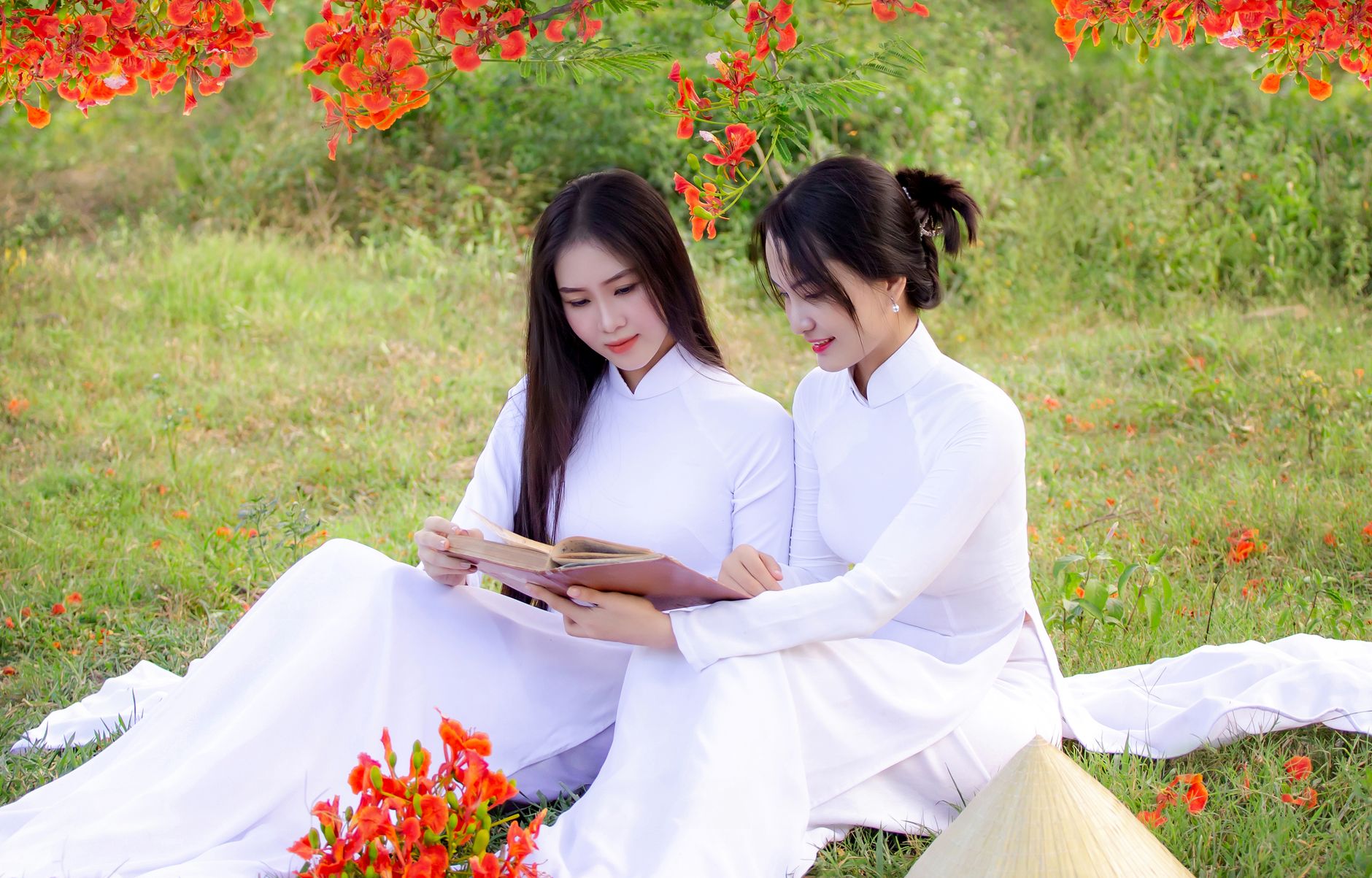
Photo by Võ Văn Tiến

Selection Methodology (How I Chose These 10)
I built this list by combining widely discussed titles with Vietnam-centered storytelling and books that readers consistently describe as women-led and emotionally immersive.
Sources and signals I used included:
- Goodreads reader response and visibility (when rating data was available in my sources)
- Publisher and media attention for recent releases
- Vietnam-focused fiction recommendations and recurring community picks
- A mix of Vietnamese authors, diaspora voices, and international authors writing Vietnam settings
My basic criteria:
- Fiction only (novels, not memoir)
- Women’s experiences are central, even when the narrator isn’t a woman
- Stories set in Vietnam or tightly tied to Vietnamese women’s lives
- A mix of eras (colonial period, wartime, post-war, modern day)
When I’m in the mood for a comfortier emotional arc, I lean beach-town and second chances, the same reason beach town fresh start stories therapy is such a real thing for so many of us. Vietnam-set women’s fiction is often heavier, but it hits the same core need: watching a woman rebuild herself when life gets hard.
Honorable Mentions (Almost Made My Top 10)
- The Sympathizer by Viet Thanh Nguyen
A brilliant novel, but it’s not centered on women the way the titles below are. Still, it’s packed with context that can deepen your reading of war and aftermath. - The Gangster We Are All Looking For by Lê Thị Diễm Thúy
Spare, literary, and haunting, with a strong sense of displacement and family fracture. It’s more fragmentary than some readers prefer in women’s fiction, but it’s worth knowing about. - Monkey Bridge by Lan Cao
A mother-daughter story that many readers love for its emotional complexity. I didn’t place it in the core 10 here only because I prioritized books with more on-the-ground Vietnam scenes.
1. The Mountains Sing by Nguyễn Phan Quế Mai (2020)
This is one of my favorite examples of a sweeping, intimate family saga that never loses the emotional thread. The novel moves through generations of Vietnamese women, with a grandmother and granddaughter anchoring the story, and it shows how history lands in kitchens, rice fields, and the private spaces where women try to keep children safe.
The book’s power comes from how it balances scope with tenderness. It doesn’t treat Vietnamese women as symbols. It treats them as people with tempers, humor, fear, faith, and stubborn love. If you’re the kind of reader who gravitates toward stories where women hold families together while also quietly coming undone, this one stays with you.
Key themes
- Intergenerational memory
- Motherhood and chosen sacrifice
- War’s long shadow inside family life
- Rural Vietnam, survival, and belonging
Why it’s top-ranked
- It’s epic without feeling distant
- The women feel specific, not generalized
- The emotional beats land, even in quieter chapters
- It’s a strong starting point if you’re new to Vietnam-set women’s fiction
Reader note: Goodreads rating reported in my sources: 4.45.
2. Dust Child by Nguyễn Phan Quế Mai (2021)
If The Mountains Sing is the family saga that opens the door, Dust Child is the one that walks you into the room and makes you sit with what’s been left unsaid. It follows multiple storylines tied to the Vietnam War and its aftermath, including Vietnamese women whose survival choices were later judged harshly, and a “dust child,” a mixed-race child born during the war who grows up carrying both stigma and longing.
What I appreciate most is the way the novel refuses easy moral sorting. Women here aren’t rewarded for purity or punished as a lesson. They’re shown inside constraint, inside poverty, inside fear, inside love. The book also captures a modern Vietnam that’s moving forward while still haunted, which adds texture beyond the war years.
Key themes
- Shame, secrecy, and social judgment
- The cost of survival for women
- Identity, parenthood, and belonging
- Healing that comes late, but still matters
Why it’s top-ranked
- It spotlights women’s war stories people ignore
- It connects past and present in a clear emotional line
- The characters have complicated motives, like real people
- It’s hard, but it’s humane
Reader note: Goodreads rating reported in my sources: 4.45.
3. The Women by Kristin Hannah (2024)
This one is Vietnam-adjacent in a way that still counts for many women’s fiction readers, because the core is women’s experience of Vietnam, not just the battleground. The story follows Frankie, a young nurse who serves in Vietnam, and then returns to an America that often didn’t want to hear about women who were there.
The emotional center isn’t just war trauma, it’s recognition. Frankie’s fight continues after she gets home, because she has to hold her memories while other people minimize them. I also think this book works well for readers who like big, propulsive storytelling, the kind you inhale in long sittings, even when it hurts.
If you’re drawn to women who do brave things and then have to be brave again in private, this is a strong pick. It also pairs naturally with romance readers who love capable heroines, the same itch I chase in best romance novels with strong competent heroines.
Key themes
- Women’s service and erasure
- PTSD, friendship, and moral injury
- Reintegration, shame, and survival
- What “home” costs after war
Why it’s top-ranked
- It centers women’s roles people often forget
- The pacing keeps you turning pages
- The emotional fallout feels personal, not abstract
- It’s built for discussion, especially in book clubs
Reader note: Goodreads rating reported in my sources: 4.60.
4. The Silk Merchant’s Daughter by Dinah Jefferies (2016)
If you want women’s fiction with a strong romantic thread, vivid atmosphere, and family secrets, this one is an easy recommendation. Set in 1950s Hanoi, it follows a young woman with a complex identity who’s pulled between cultures, expectations, and the political tension of the time.
What makes it work for romance-loving readers is that the love story doesn’t float above the setting. The setting presses in on every choice. There’s a sense of risk, both emotional and real-world, and the heroine’s longing feels tangled up with loyalty and fear.
Key themes
- Colonial tension and identity
- Family expectations and secrecy
- Love under pressure
- A woman trying to decide who she’s allowed to be
Why it’s top-ranked
- Highly readable if you like historical women’s fiction
- Strong sense of place and period mood
- Emotional stakes tied to family, not just romance
- Great “in-between” book if you want Vietnam setting without the darkest war focus
5. On Earth We’re Briefly Gorgeous by Ocean Vuong (2019)
This is a lyrical, intimate novel that won’t read like a typical women’s fiction pick at first glance, because the narrator is a son writing to his mother. Still, the mother’s life and the weight she carries as a Vietnamese woman are central to the book’s emotional core.
It’s about inheritance, not money, but trauma, tenderness, and language. It’s also about how a mother’s past can shape a child’s body and fears, even across oceans. If you like quieter, more literary stories that still punch hard emotionally, this belongs on your list.
Key themes
- Motherhood, grief, and unspoken history
- Immigration, class, and survival
- Language as love and distance
- Family intimacy that isn’t always gentle
Why it’s top-ranked
- The writing is gorgeous without feeling decorative
- The mother is unforgettable, even through a son’s lens
- It captures how war echoes into ordinary days
- It’s a short book that can take a long time to process
6. The Beauty of Humanity Movement by Camilla Gibb (2010)
This novel brings Hanoi to life through everyday rhythms, including food culture, neighborhood ties, and the way the past sits beside the present. A major thread involves a woman searching for family truth, with an older pho vendor’s story weaving into hers.
I like this book for readers who want Vietnam on the page in a lived-in way, not only through war scenes. It’s still shaped by loss, but it’s also shaped by community and the small kindnesses people offer when they don’t know what else to do.
Key themes
- Food as memory and connection
- Family separation and return
- Grief, forgiveness, and endurance
- Community as a kind of refuge
Why it’s top-ranked
- It’s immersive without being overwhelming
- The women’s emotional lives stay central
- It shows the ongoing aftermath, not only the flashpoint
- It’s a strong pick for readers who love setting-as-character
7. Saigon by Anthony Grey (1991)
This is a big, panoramic novel that tracks Vietnam across decades, from French colonial rule into war years, and it includes women whose lives are shaped by political upheaval and family loyalty. It’s not a small, close-third women’s fiction style in the modern sense, but it earns a spot here because of its long historical view and the way it gives women meaningful roles within sweeping change.
I recommend it when you’re craving something expansive, the kind of story where you feel time passing, relationships shifting, and the city itself changing like a living thing.
Key themes
- Generational change and survival
- Love, class, and shifting power
- Patriotism, compromise, and consequence
- Women holding families together under pressure
Why it’s top-ranked
- Big cast, big timeline, big emotional scope
- Strong for readers who like historical epics
- Saigon as a textured, evolving setting
- A solid bridge between literary and commercial historical fiction
8. Tuổi Thơ Dữ Dội by Phùng Quán (1988)
This is a classic Vietnamese novel focused on youth during wartime, including girls who take on dangerous roles. While it isn’t “women’s fiction” in the modern Western marketing sense, it fits the spirit of this list because it portrays girls as brave, complex participants in history, not background figures.
It’s a coming-of-age story under extreme conditions, and it highlights how quickly childhood can vanish when a country is at war.
Key themes
- Wartime childhood and moral formation
- Courage, loyalty, and fear
- Friendship and loss
- National struggle seen from the ground
Why it’s top-ranked
- A Vietnamese perspective that feels foundational
- Girl characters who aren’t softened or sidelined
- High emotional impact for a shorter, youthful focus
- Adds range to a list that could otherwise tilt too international
Reader note: Goodreads rating reported in my sources: 4.72.
9. Đội Gạo Lên Chùa by Nguyễn Nhật Ánh (2011)
This novel centers village life and the quiet strength of women carrying burdens that don’t make headlines. The premise, women bringing rice to a temple through hardship, becomes a way to show community bonds, dignity, and the kind of moral courage that looks ordinary until you really look at it.
I like having at least one book on a list like this that honors everyday women, not only women framed by romance or war. It’s a reminder that endurance can be its own plot.
Key themes
- Community care and shared hardship
- Women’s labor and spiritual life
- Kindness as survival
- Quiet forms of strength
Why it’s top-ranked
- Focuses on daily life, not spectacle
- Warmth and sorrow sit side by side
- A strong counterbalance to war-forward narratives
- Memorable for its human-scale focus
Reader note: Goodreads rating reported in my sources: 4.46.
10. Chuyện Ngõ Nghèo by Ngô Tất Tố (1952)
This is an older work that highlights poverty and social injustice, with women living in Hanoi alleys under harsh conditions. The tone is more stark than comforting, but it earns its place for showing women’s lives inside class pressure, hunger, and limited options, without turning them into saints.
If you like women’s fiction that doesn’t flinch, this delivers a rawer look at survival and dignity.
Key themes
- Poverty and social constraint
- Women’s vulnerability under unfair systems
- Dignity, anger, and endurance
- Community proximity, isolation, and rumor
Why it’s top-ranked
- A valuable historical lens
- Women portrayed with grit and realism
- Adds depth and range to a modern-heavy reading list
- The setting feels grounded and immediate
Reader note: Goodreads rating reported in my sources: 3.98.
Reader Ratings Summary (From Available Data)
Not every book above had a rating included in my sources, so I’m only summarizing what I can verify here:
- The Mountains Sing (Goodreads): 4.45
- Dust Child (Goodreads): 4.45
- The Women (Goodreads): 4.60
- Tuổi Thơ Dữ Dội (Goodreads): 4.72
- Đội Gạo Lên Chùa (Goodreads): 4.46
- Chuyện Ngõ Nghèo (Goodreads): 3.98
Common Themes Across the List
These books vary a lot in tone, but they keep circling a few shared truths about women’s lives in Vietnam-set fiction:
- Family as protection, pressure, and destiny
- War’s impact on women’s bodies, choices, and reputations
- Motherhood, both chosen and forced by circumstance
- Identity shaped by history, class, and cultural expectation
- Community closeness, including care and judgment
- Love stories that carry real-world consequences
When I want a softer landing after heavier reads, I’ll often switch to something cozy and restorative, or even put together a comfort reread day with beach read therapy kits for women’s fiction fans. It’s the same reason these Vietnam-centered novels matter so much, they remind me women endure, adapt, and keep going, even when nobody claps for it.
Where to Buy or Access These Books
- Local library systems (print, ebook, audiobook depending on your branch)
- Indie bookstores (especially for The Mountains Sing and Dust Child)
- Major ebook retailers and audiobook apps (availability varies by region)
- Used bookstores for older or translated editions
Book Club Discussion Questions (Vietnam-Set Women’s Fiction Edition)
- Which woman in the story felt most “real” to me, and why?
- How does the book show the difference between public reputation and private truth for women?
- What does survival cost in this story, and who pays that cost?
- Where did the heroine find comfort, and was it safe comfort?
- How does motherhood show up, as love, duty, fear, identity, or all of it?
- Which choices did I judge at first, then understand later?
- How does the setting shape romance (or the absence of romance)?
- What role does community play, support system, pressure system, both?
- How does the book treat forgiveness, as release, as denial, or as something earned?
- What did the book make me want to learn more about (history, culture, language, place)?
Pairing Recommendations (Nonfiction Complements)
- A Vietnam history overview for timeline clarity (especially helpful before epic, multi-decade novels)
- Women’s oral histories from Vietnam (to compare fiction choices with lived accounts)
- Vietnamese diaspora essays on identity and intergenerational trauma (a strong pairing with Vuong)
Conclusion
The best womens fiction books about women in vietnam don’t just “teach history.” They bring me into kitchens, hospital tents, village paths, and crowded streets, and they let me feel the private weight women carry while the world argues about politics overhead. Some of these books are tender, some are brutal, and some are quietly warm, but all of them take women seriously as the center of the story.
If you’re a romance reader at heart, don’t skip this list. Even when the romance is subtle or complicated, the emotional intensity is the same kind that makes me love stories about women choosing themselves, the same energy I look for in romance novels featuring empowered heroines and stories of empowered women finding love.


