

Why Fictional Men Make Real Men Feel Inadequate

Fictional men often dominate our screens and books, casting large shadows that can make real guys feel a bit small. From superheroes to charming protagonists, these larger-than-life characters set unrealistic standards that can leave real men questioning their worth. This piece unpacks why these fictional figures can trigger feelings of inadequacy and what that means for how we view ourselves in everyday life.

The Pressure to Live Up to Fictional Expectations

Fictional characters often set the bar high for what it means to be a man. They are portrayed as strong, confident, and always ready to save the day. This creates an unrealistic standard that many real men feel they must meet. When we see these characters on screen or in books, it’s easy to forget that they are not real. They have scripted lines and perfect timing. Real life is messy and unpredictable, and that’s okay. Yet, the pressure to embody these traits can weigh heavily on many.
Men may find themselves comparing their lives to these fictional heroes. They might feel inadequate if they don’t have the same level of success or charisma. This comparison can lead to feelings of frustration and self-doubt. It’s important to remember that everyone has their own unique journey. Real men have strengths and weaknesses, just like anyone else. Embracing individuality is key. Instead of trying to live up to a fictional ideal, focusing on personal growth and authenticity can lead to a more fulfilling life.
Unrealistic Standards in Relationships

Fictional characters are often portrayed as perfect partners, always knowing what to say and do. This creates a standard that can feel impossible to meet in real life. When we watch movies or read books, we see men who are charming, sensitive, and always ready to support their partners. These traits are admirable, but they can lead to unrealistic expectations. Real men, with their flaws and imperfections, might feel inadequate when compared to these idealized versions.
This can create pressure in relationships. If one partner feels they can’t measure up, it can lead to frustration and disappointment. Instead of celebrating each other’s uniqueness, couples might find themselves chasing an unattainable ideal. It’s important to remember that real relationships are built on understanding and acceptance. Embracing imperfections can lead to deeper connections. The key is to focus on what makes each partner special, rather than comparing them to fictional standards.
Comparing Strengths: Fiction vs. Reality
Fictional characters often represent an idealized version of masculinity. They are strong, fearless, and often possess superhuman abilities. This portrayal can make real men feel inadequate. The contrast between these larger-than-life characters and everyday men can be stark. In stories, heroes face challenges with ease. They showcase physical prowess and unwavering confidence that can lead to a sense of pressure for real men to measure up to such standards. But the reality is that most men don’t have superpowers or the perfect physique.
Everyday life is filled with its own challenges. Real men navigate work, relationships, and personal growth. These struggles are often overlooked when comparing oneself to fictional characters. It’s important to remember that strength comes in many forms, not just physical. While fictional heroes can inspire, they can also create unrealistic expectations. Real men should focus on their own strengths and achievements. Embracing individuality is key. Everyone has their own unique qualities that make them strong.
The Role of Masculine Archetypes in Modern Culture

Masculine archetypes shape how men see themselves and each other. These figures often embody traits like strength, confidence, and charm. They set a standard that many feel pressured to meet. In movies, books, and media, these characters often seem larger than life. They are heroes, leaders, and sometimes anti-heroes. This perception can create a gap between fiction and reality as real men may find themselves comparing their lives to these idealized versions.
This comparison can lead to feelings of inadequacy. When men see these archetypes, they might question their own worth. They may feel they need to be more successful, more attractive, or more adventurous. These archetypes also influence how men interact with each other. There’s often a sense of competition, where men feel they must prove themselves. This can create a culture where vulnerability is seen as weakness. Understanding these archetypes is key. It helps men recognize that they don’t need to fit into a mold. Real life is about authenticity, not just meeting fictional standards.
Escapism and Its Effects on Self-Perception

Fiction often serves as a refuge for many. Characters in stories often embody qualities like bravery, intelligence, and charm. They face challenges head-on and come out victorious. This can create a gap between our everyday experiences and the idealized versions of masculinity we see in media. It’s easy to feel like we don’t measure up. Escapism through books and movies can be comforting, but it can also distort our self-image. Men might find themselves wishing they had the same confidence or skills as these fictional heroes. And this longing can lead to frustration and self-doubt.
While it’s okay to admire these characters, men should keep in mind that they are not real. Real life is messy and complicated. Embracing our imperfections can help us feel more grounded and satisfied with who we are.
The Impact of Social Media on Masculinity

Social media has changed how we view masculinity. Men are constantly bombarded with images of idealized versions of themselves. When scrolling through feeds, it’s easy to feel inadequate. Men see perfectly styled hair, chiseled bodies, and confident smiles. These images can create a sense of competition that’s hard to shake off. It’s not just about looking good; it’s about being perceived as successful and desirable.
This constant comparison can lead to feelings of insecurity. Many men find themselves questioning their worth. They might think, “Why don’t I look like that?” or “What am I doing wrong?” This mindset can be damaging, affecting mental health and self-esteem. Moreover, social media often promotes a narrow definition of masculinity. It emphasizes traits like strength and stoicism while sidelining vulnerability. This can make it tough for men to express their emotions or seek help when needed. The pressure to fit into a specific mold can be isolating.
In the end, it’s essential to recognize these influences. Understanding that social media often showcases a curated reality can help men navigate their feelings. Embracing authenticity over perfection can lead to a healthier self-image.
Fictional Flaws vs. Real-Life Imperfections
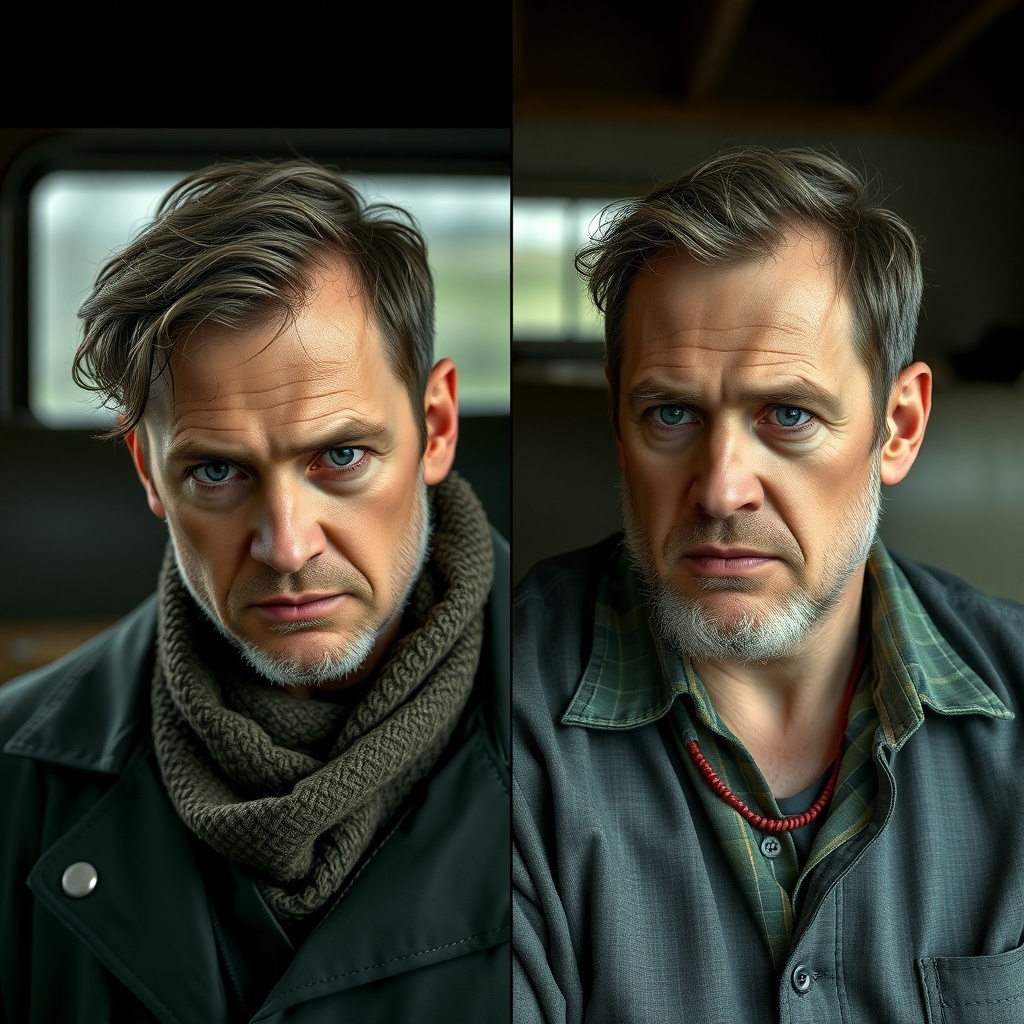
Fictional characters often have flaws that make them relatable yet intriguing. These imperfections are often exaggerated, allowing us to see them as heroic or charming. In contrast, real-life flaws can feel heavy and burdensome. Men might struggle with self-doubt or insecurity, especially when comparing themselves to those fictional heroes. When we watch a movie or read a book, we see characters who overcome their flaws in dramatic ways. They might have a tragic backstory or a quirky trait that makes them endearing. This can create a sense of inadequacy in real men, who may feel their everyday struggles are mundane by comparison.
Fictional men often have a clear arc of growth. They face challenges and emerge stronger. In reality, growth can be slow and messy. This difference can lead to feelings of inadequacy, as real-life imperfections don’t always come with a neat resolution.
The Allure of the Perfect Hero

Fictional heroes often face incredible odds, yet they emerge victorious. This constant triumph can make everyday challenges seem trivial, leaving real men feeling like they are falling short. The pressure to be heroic can be overwhelming. Moreover, these heroes often have a support system that helps them succeed. Friends, mentors, and allies surround them, showcasing the importance of teamwork. This can lead to the misconception that one must tackle life’s challenges alone, further amplifying feelings of inadequacy.
In many stories, the perfect hero also has a compelling backstory that adds depth to their character. This complexity makes them relatable, yet it can also set an unrealistic standard. Real men may feel they need a dramatic narrative to justify their worth, which is simply not the case.
Navigating Vulnerability in a Fictional World

In stories, vulnerability is sometimes portrayed as a strength, but it can be hard for real men to embrace this idea. Many feel pressured to conform to traditional standards of masculinity, which often discourage openness and emotional expression. This disconnect can lead to feelings of isolation. It’s important to recognize that everyone has their struggles, even if they aren’t visible. Fiction can provide a safe space to explore these themes, allowing men to reflect on their own experiences. When they engage with these narratives, they might find the courage to express their own vulnerabilities.
Ultimately, navigating vulnerability in a world filled with fictional ideals requires self-acceptance. Real men can learn to appreciate their unique qualities and understand that it’s okay to not always be the hero. Embracing one’s true self can lead to deeper connections and a more fulfilling life.
Influence of Fantasy on Personal Identity

Fictional characters often represent ideals that are hard to reach. They are designed to inspire, but they can also lead to unrealistic comparisons. This can affect self-esteem and personal identity. Men might start to question their own worth when they measure themselves against these larger-than-life figures.
Also, the influence of fantasy can shape how men view masculinity. Traditional roles are challenged by these characters, leading to confusion about what it means to be a man today. This can create a struggle between societal expectations and personal identity. That said, while fantasy can inspire, it’s important to remember that real life is not a comic book. Embracing one’s own unique qualities is key to building a positive self-image. Real men can find strength in their individuality, rather than in comparison to fictional heroes.


