

Women’s Fiction vs Domestic Fiction: Similarities, Differences, and How I Tell Them Apart

I hear readers use women’s fiction vs domestic fiction like they’re the same thing. Sometimes they overlap a lot, so I get it.
But they don’t always mean the same reading experience. One can feel like a wide-open life reset, the other can feel like a pressure cooker in a kitchen you can’t leave.
Here’s my simple, reader-friendly breakdown, plus the quick “tells” I use when I’m deciding what I’m reading (or writing).

What women’s fiction really means today (and what it usually is not)
When I say “women’s fiction,” I’m talking about a story where a woman’s emotional journey is the center of the book. It’s about relationships and real problems, but the main engine is personal change: healing, rebuilding, learning to choose herself, or finally telling the truth.
Romance can be in women’s fiction, sometimes it’s a big part of the book. But it doesn’t have to be the whole point, and it doesn’t have to end in a perfect happily-ever-after. For a good plain-language snapshot of how the category is used today, I like this overview: what women’s fiction means.
If you want to know the kind of heart-forward stories I’m drawn to, I share more in my author background and story roots.
The heart of women’s fiction: a woman changes, even if life stays messy
 A quiet sunrise walk that matches the reflective tone of women’s fiction
The promise I expect in women’s fiction is an inner arc. The plot can be quiet or dramatic, but the real payoff is who she becomes by the end. Sometimes that means learning to set boundaries. Sometimes it means forgiving someone (or not). Sometimes it’s simply choosing a new life, even while grief or regret is still in the room.
A quick check I use: If the final page feels like she’s standing taller inside, it’s probably women’s fiction. Even if nothing “big” explodes on the outside.
If you want an example of that grief-to-second-chance shape, A Season of Promise ebook is built around a woman following a thread of loss toward a new version of home.
Where women’s fiction overlaps with other genres (romance, mystery, historical)
 A cozy reading setup that fits genre blends and long nights of page-turning
Women’s fiction blends easily. It can borrow a mystery plot, a historical setting, or a love story, as long as the emotional growth stays central. I think of it like a cake: the frosting might be romance or suspense, but the cake itself is her internal change.
This is also why readers get confused when they expect romance “rules” in a women’s fiction book. Romance has a clearer promise about the ending, and that shapes the whole ride. If you want a quick explanation of how those expectations differ, this piece lays it out well: women’s fiction vs romance differences.
When I’m in the mood for love stories with heroines who still feel like full people (not just a love interest), I often point readers to my list of romance books with strong female leads.
Domestic fiction explained in plain English, from old roots to modern family dramas
Domestic fiction is home-centered by design. The stakes usually live inside the household (or right next door), where daily life turns into a kind of emotional weather system you can’t escape.
Historically, domestic fiction has deep roots in 1800s literature, with a focus on marriage, family duty, reputation, and moral choices. In modern publishing, “domestic” can also mean a close-to-home drama about what happens behind closed doors, especially in families and neighborhoods.
For a quick rundown of the genre’s history and common traits, here’s a straightforward guide: domestic fiction characteristics.
Classic domestic fiction: home, marriage, and the pressure to “be good”
 A warm, old-world parlor that echoes classic domestic fiction’s home-focused tension
Classic domestic fiction often feels like living inside a rulebook. The tension comes from social expectations, family roles, and private sacrifices. Instead of a faraway adventure, the conflict is closer, like a tight collar you can’t unbutton in public.
A lot of these stories ask questions like: What does a “good” woman owe her family? What happens when personal desire clashes with duty? Even when the plot is calm, the pressure can be intense, because the consequences are reputation, security, and belonging.
If you love stories that lean into home comforts and reading rituals today, you might enjoy my roundup of bookish gift guides for women’s fiction lovers, it’s a cozy complement to the genre’s home-and-heart vibe.
Modern domestic fiction: the same close-to-home stakes, with today’s problems
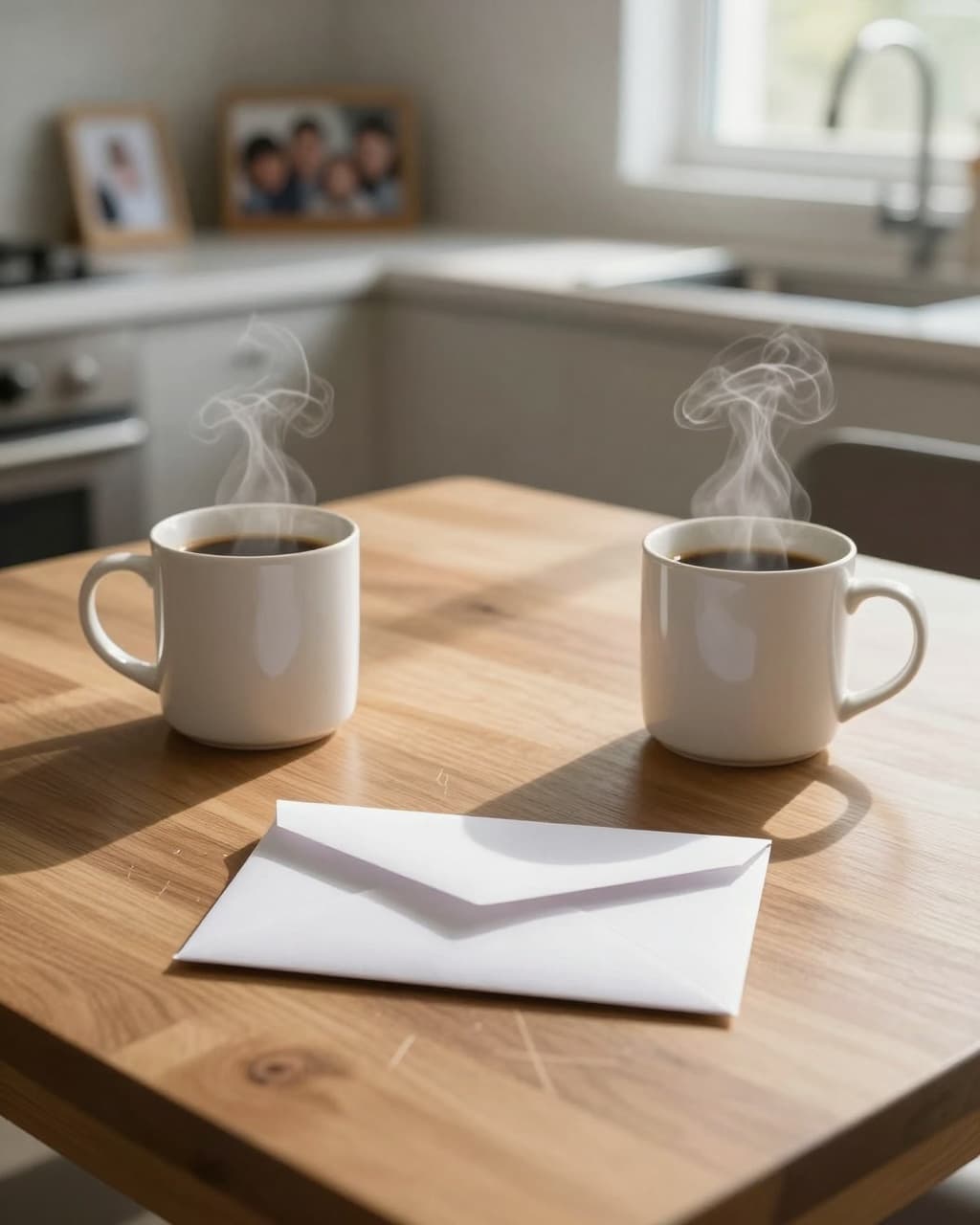 A small, tense moment that hints at secrets and family strain
Modern domestic fiction keeps that same “close walls” feeling, but updates the problems. I see more stories about caregiving, money stress, parenting, marriage strain, and family secrets that blow up group texts and holiday dinners.
The setting matters because it traps the characters together. The kitchen, the porch, the neighborhood, the friend group, it’s all part of the pressure. The book can still have warmth, but the conflict tends to stay personal and private.
If you want a coastal example where family dynamics and forgiveness take center stage, Beachview Summer Guest ebook leans into those home-and-family stakes.
Women’s fiction vs domestic fiction: the easiest way to tell which one you’re reading
Here’s the simplest way I sort it out: women’s fiction is usually defined by the inner journey, domestic fiction is usually defined by the home-based arena where the tension plays out.
That said, modern publishing labels can be fuzzy. In 2026, I’ve noticed more people using terms like “book club fiction” or “relationship fiction” instead of “women’s fiction,” partly because the old label is so broad.
So when the category name gets slippery, I focus on the story’s core promise: what kind of satisfaction is the book building toward?
Similarities: relationship-driven stories with real emotions and everyday choices
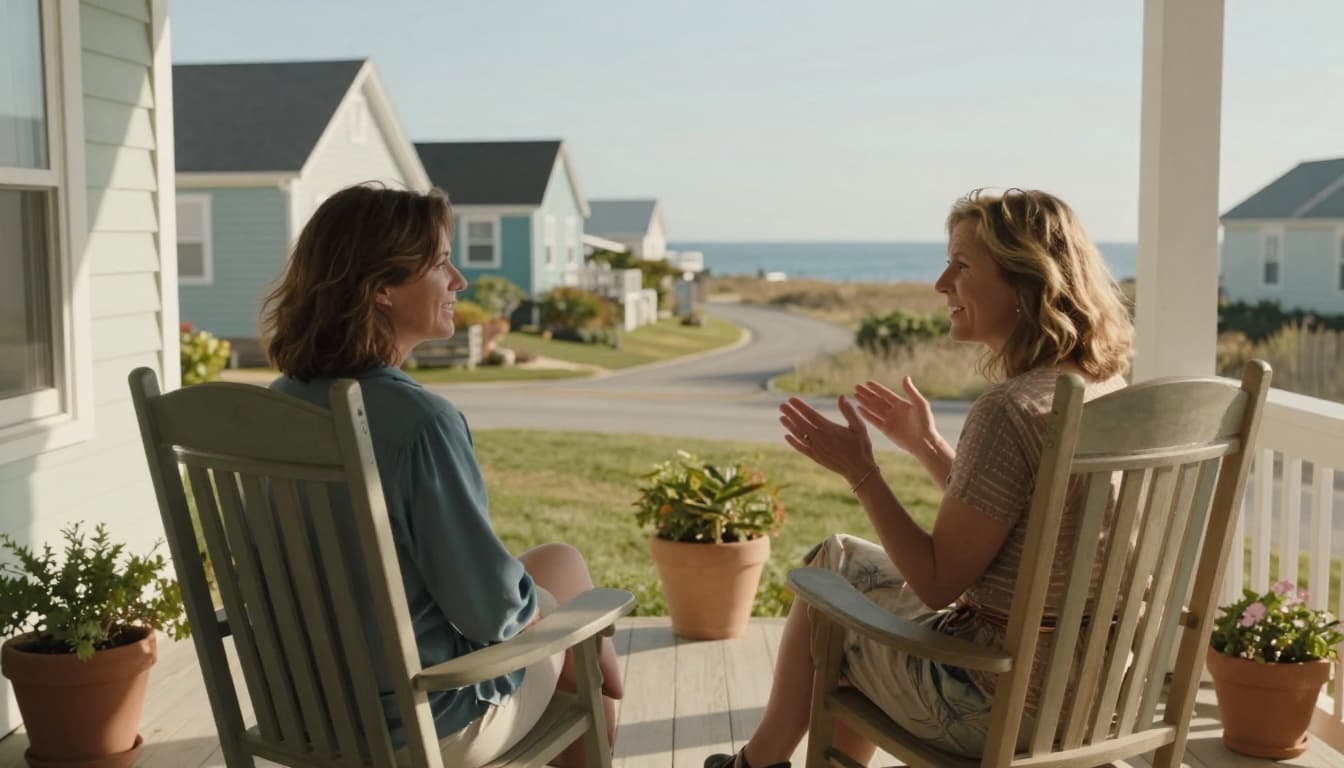 A porch conversation that captures the relationship-first heart of both categories
Both women’s fiction and domestic fiction tend to be relationship-driven. The emotional stakes are real, even when the plot is quiet. I expect to see family ties, friendship bonds, community pressure, and value-based choices that feel like something I might face myself.
Both also tend to focus on consequences that matter in daily life: who you trust, who you disappoint, what you can forgive, and what you can’t carry anymore.
If you want to browse the kind of heart-forward, small-town stories I write, you can start at my homepage.
Differences that matter: how wide the story goes, and where the tension lives
 A visual contrast between home-centered tension and a wider life scope
When I’m deciding between women’s fiction vs domestic fiction, I look at scope.
Women’s fiction can range wider than the home: career shifts, identity changes, reinvention after loss, moving towns, changing friendships, starting over at midlife. Domestic fiction tends to keep the pressure rooted in home life, marriage, parenting, family duty, and private behavior.
My rule of thumb is simple:
- If the biggest question is “Who am I becoming?”, I’m probably in women’s fiction.
- If the biggest question is “What’s really happening in this house or family?”, I’m probably in domestic fiction.
If you’re also sorting out what belongs in romance versus women’s fiction, I break down what readers often expect in love stories here: things women love to read in romance fiction.
Frequently Asked Questions About Women’s Fiction vs Domestic Fiction
1. What’s the simplest way to tell women’s fiction and domestic fiction apart?
Women’s fiction is usually defined by a woman’s emotional journey and personal change. The plot can include romance, family, friendship, work, grief, or starting over, but the main point is who she becomes by the end.
Domestic fiction is more narrowly centered on home and family life. Traditionally, it’s tied to older, sentimental stories about marriage, children, duty, and morality. You’ll also see the term used for books that stay tightly focused on the household and the relationships inside it.
2. Is domestic fiction just a subgenre of women’s fiction?
Often, yes. Domestic fiction overlaps with women’s fiction because both can focus on relationships and personal stakes, but domestic fiction tends to keep the story’s center of gravity inside the home.
Women’s fiction is usually a broader umbrella in modern publishing. A women’s fiction novel might spend time on parenting and marriage, but it can also move into career reinvention, caregiving for aging parents, divorce, addiction recovery, illness, or a late-in-life fresh start, without being limited to “the domestic sphere.”
3. Does women’s fiction mean romance is the main plot?
Not automatically. Women’s fiction can include romance, sometimes heavily, but it doesn’t have to. The core promise is the heroine’s inner arc, not the love story structure.
If you’re deciding where a book fits, look at the ending and what the story is “about” on the deepest level. In many romance novels, the relationship is the engine, and the ending typically resolves the couple’s future together. In women’s fiction, the relationship might be important, but the biggest resolution is often the protagonist’s growth, healing, or new direction.
4. Can a book be both domestic fiction and women’s fiction?
Yes, and plenty are. If the story stays rooted in marriage, parenting, extended family, neighbors, and home life, it can read as domestic fiction. If the same book also tracks a woman’s personal transformation, it fits women’s fiction, too.
For readers who love cozy coastal towns, close-knit communities, and second chances, this overlap is common. You’ll see stories where the setting feels comforting and familiar, while the emotional stakes still hit hard, like rebuilding after loss, redefining family, or learning to want something again.
5. What are common misconceptions about these labels?
One big misconception is that any book with a woman lead is women’s fiction. Genre usually depends on the story’s main drive. A high-action thriller with a female detective isn’t automatically women’s fiction if the emotional journey isn’t the focus.
Another misconception is that women’s fiction is “lighter” or “just relationship drama.” Many women’s fiction novels tackle serious topics, and the tone can range from warm and hopeful to intense and heartbreaking. Domestic fiction can also be misread as only “old-fashioned,” but modern home-centered stories still show up today, they’re just less likely to be marketed with that exact label.
Conclusion
When I compare women’s fiction vs domestic fiction, I think of women’s fiction as the broader umbrella, built around growth, healing, and change. Domestic fiction is more home-centered, whether it’s classic moral pressure or modern family drama. Plenty of books live in the overlap, and that’s part of the fun.
The next time you’re labeling a book, focus on where the main pressure comes from. Is it inside her, inside the house, or both?


