

My Guide to Swoony Sweet Small Town Romance (No Cheese)

The bell over the coffee shop door jingles, and I’m hit with the smell of cinnamon rolls and fresh brew. Someone waves from a corner booth, the barista knows your order, and the whole town feels like it’s in on the same warm secret. That’s the comfort I want when I pick up a romance like this.
When I say swoony, I mean chest-tightening moments, tender gestures, and a love interest who shows up in ways that matter. Sweet means the relationship feels kind and hopeful, with emotional payoff, not shock value. Small town is that close-knit setting where everyone’s connected, the community has opinions, and the main couple can’t hide from their feelings for long.

In this post, I’m sharing what makes swoony sweet small town romance so satisfying, plus the key ingredients that keep it cozy instead of corny. I’ll break down the tropes that hit hardest (in the best way), what to read next when you want more of the same vibe, and how I match books to my comfort level for spice, angst, and pacing, so you can, too.

What makes a romance feel swoony, sweet, and small town (not cheesy)
When I’m craving a swoony sweet small town romance, I’m not looking for cartoon charm or forced quirk. I want warmth that feels lived-in, tension that feels fair, and a town that acts like more than a cute backdrop. The best books in this lane feel like stepping into a place where people have routines, history, and opinions, but they still know how to show up when it matters.
I also like when the sweetness has backbone. Kind characters can still face hard choices, and a gentle book can still keep me reading past my bedtime. (If you’re ever in the mood to zoom out on what readers tend to love across the genre, I keep coming back to this list of things women love to read about in romance fiction.)
The small town itself is part of the love story
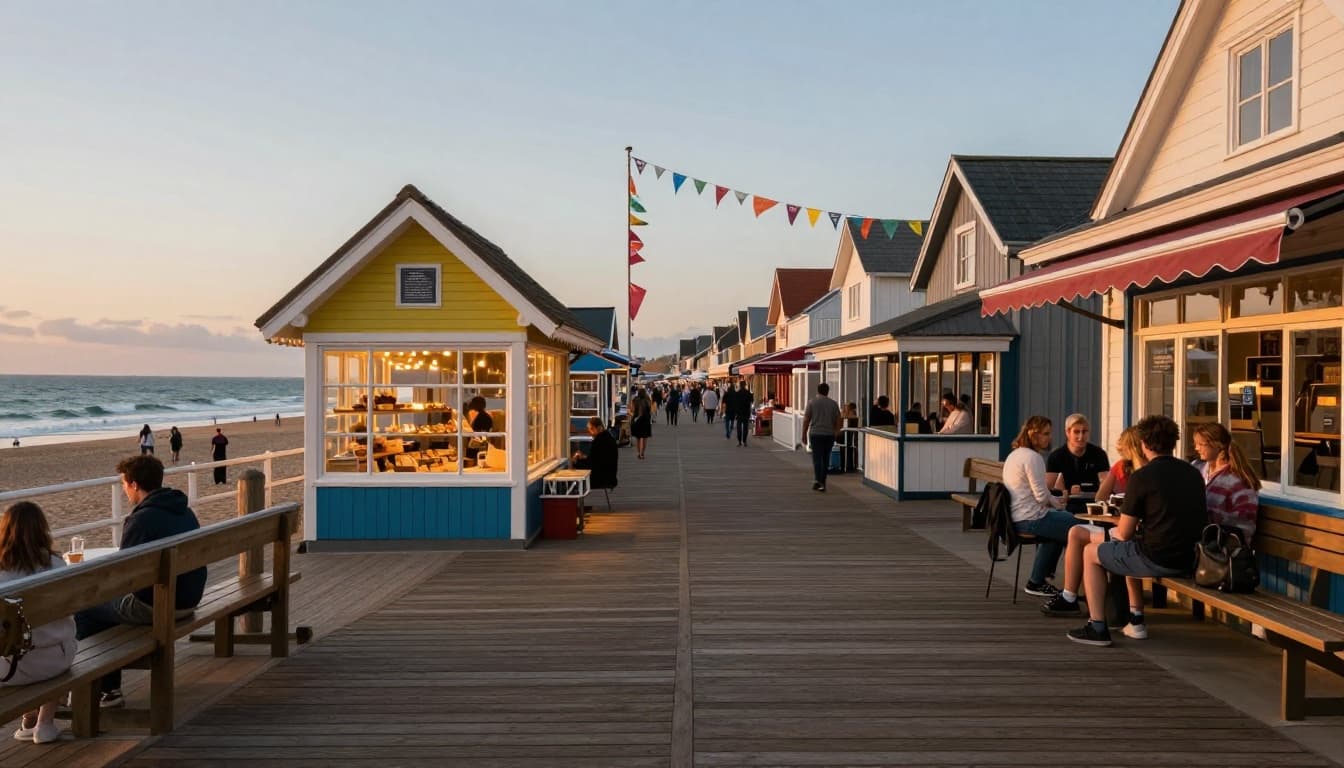 Cozy coastal-town energy on a bright boardwalk
A small town romance turns cheesy fast when the town feels like a stage set. The ones that make me melt treat the setting like it has pulse and memory. I want to know the diner where the coffee tastes like comfort and the booths hold decades of secrets. I want a festival that isn’t just “the annual festival,” but something specific, a pie contest with fierce rules, a boat parade, a founder’s day dance where everyone pretends they don’t care who shows up with who.
The town’s gossip helps too, as long as it shifts into support instead of cruelty. Nosy neighbors can be funny and even stressful, but the best stories show the deeper layer: the way a community quietly protects its own. A cranky shop owner still sets aside the last cinnamon roll. A librarian slips the heroine a flyer for book club because she can tell she needs friends. That’s the vibe.
If you love small-town coastal comfort, the emotional “reset” feeling is part of the appeal, and it’s why I reread lists like reasons beach-town fresh-start stories feel like therapy and even the quieter reflection in 10 life lessons small coastal towns teach you.
Here’s my quick reading checklist for “does this town feel real?”:
- I know the hubs: where people hang out (diner, café, marina, hardware store).
- I know the faces: who runs the bakery, who’s on the town council, who knows everyone’s business.
- I know the rhythms: weekly routines, Sunday traditions, seasonal quirks.
- I know what they celebrate: at least one distinct event that brings everyone out.
- I feel belonging grow: the main character earns a place, one small moment at a time.
Sweet romance still has tension, it is just kinder
 Two warm mugs at sunset on a porch swing
“Sweet” doesn’t mean “nothing happens.” It means the conflict doesn’t rely on humiliation, cruelty, or emotional whiplash. In the sweet books I trust, the tension comes from real life, not from characters acting like villains in a relationship.
I keep turning pages when problems feel human: a job that’s on the line, a family obligation that won’t loosen its grip, a fear of starting over, grief that makes romance feel risky, or a heroine who’s finally choosing herself and doesn’t want to lose that progress. If the book leans into misunderstandings, I want them cleared up in a reasonable amount of time. A single bad assumption can be believable; chapters of stubborn silence starts to feel like the author is stalling.
The kindness shows up in the “rules” of the relationship. Boundaries are respected. Consent is clear. Apologies aren’t just pretty words; they come with changed behavior. I’m picky about this because romance can shape our expectations, and I like revisiting the reminders in how romance fiction influences our expectations of real love.
Heat level is another part of “sweet,” and I keep it simple in my own head:
- Closed-door: romance is emotional, intimate scenes fade out.
- Kissing-only or very low spice: physical affection stays light.
- Moderate: some on-page intimacy, written with restraint.
- Open-door: more explicit intimacy, still can be tender and kind.
Sweet stories can exist at any of these levels. What matters is the tone: the romance feels safe even when it’s tense. If you like heroines who hold their own while the love story grows, I’d pair this section with best romance books with strong female leads and romance books with strong independent female protagonists. I also love a capable lead who doesn’t need rescuing every chapter, which is why I bookmark romance novels with strong, competent heroines.
Swoony moments that make me sigh (and why they work)
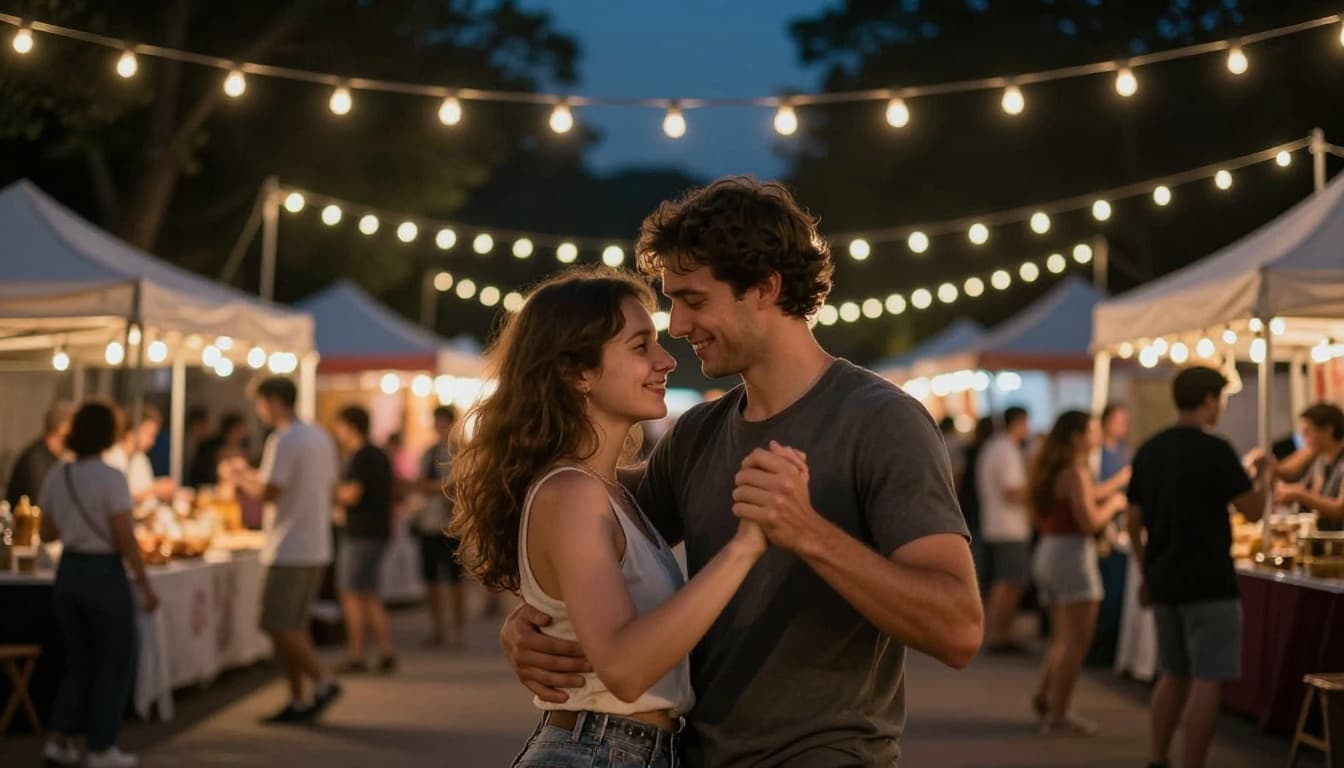 A string-light festival slow dance in a small town
Swoon is chemistry, yes, but it’s mostly proof. It’s the moment a love interest shows me who they are without making a speech about it. In a small town, those moments land even harder because everyone’s watching, and the couple still chooses each other anyway.
These are my favorite “swoon triggers,” the ones that feel sweet without turning corny:
- Thoughtful acts that fit the person: He brings decaf because she mentioned anxiety once, not because he’s trying to be impressive.
- Steady protection (not controlling): She’s overwhelmed at a crowded event, he quietly asks if she wants to step outside, then follows her lead.
- Inside jokes that build a private world: A silly nickname from a disastrous volunteer shift becomes a soft shorthand for “I see you.”
- Showing up at a hard moment: Not to fix it, just to sit beside her on the porch when the call with her mom goes badly.
- Cooking for someone: Real food, real comfort, and he cleans the kitchen because care includes the boring parts.
- Remembering small facts: Her favorite pie, the song she hates, the way she takes her tea, it signals attention, not obsession.
- Dancing at a town event: A string-light festival, a slow song, and the town collectively pretending not to notice the sparks.
- A sincere apology: Specific, accountable, and followed by action, not excuses.
I also love when a swoony book knows what it is structurally. Sometimes the line between romance and women’s fiction gets blurry, especially in small-town stories with big life themes, and I’ve found it helpful to keep women’s fiction vs romance, what’s the real difference in mind when I’m choosing my next read.
And if you want “sweet” with higher stakes that still stays emotionally grounded, I find pregnancy-trope small-town stories can work when written with care. I usually preview with pregnancy romance comfort reads and where to start, then narrow by vibe using romance books with accidental or unexpected pregnancy, everything you need to know or a simpler roundup like best romance books with accidental or unexpected pregnancy.
Sweet and swoony also means the story makes room for different bodies being adored without turning it into a lesson, which is why I often point people to romance books with plus size FMCs when they want tenderness that still feels honest.
Tropes that shine in sweet small town romance
When I’m in the mood for a swoony sweet small town romance, I’m usually chasing a specific kind of comfort: a story that feels like warm hands around a mug, plus a love story that builds on choices, not chaos. Tropes are part of why these books work so well. They’re familiar, but in a small town setting, they get extra texture because the community acts like a living, breathing pressure cooker and safety net at the same time.
These are the tropes I think shine brightest when the tone stays tender and the emotions stay honest.
Fresh start in a new town (my favorite comfort setup)
 Starting over outside a cozy cottage
The “move to town” hook gets me every time because it’s instantly emotional without being melodramatic. A new zip code becomes a clean page. And in sweet romance, that clean page isn’t just running away, it’s choosing yourself.
I love the range this setup can hold. Sometimes it starts with a divorce and that shaky, brave feeling of buying your own dishes for the first time. Sometimes it’s a job change, the kind where you finally stop shrinking yourself to fit a toxic boss or a life that looks good on paper. Sometimes it’s inheriting a shop, a house, or even a mess (hello, leaky roof and outdated signage), and deciding it’s still worth saving because you’re worth saving. And sometimes it’s healing after loss, where the move isn’t about forgetting, it’s about learning how to carry grief without letting it run the whole show.
What makes the fresh start trope glow in a small town is the community support. Not the fake, over-the-top “welcome committee with matching shirts” vibe (unless it’s played with restraint), but the quiet ways a town can hold someone up:
- The librarian who slides over a flyer for book club like a lifeline.
- The diner owner who hires you for mornings, no questions asked.
- The neighbor who shows up with a ladder, then pretends it was “no big deal.”
And then, of course, romance sneaks in through the cracks. A love interest becomes part of the reset, not by rescuing the newcomer, but by respecting her new boundaries and cheering for her wins. That’s the comfort: a fresh start that feels earned, steady, and quietly empowering.
Grumpy sunshine and the softening effect of community
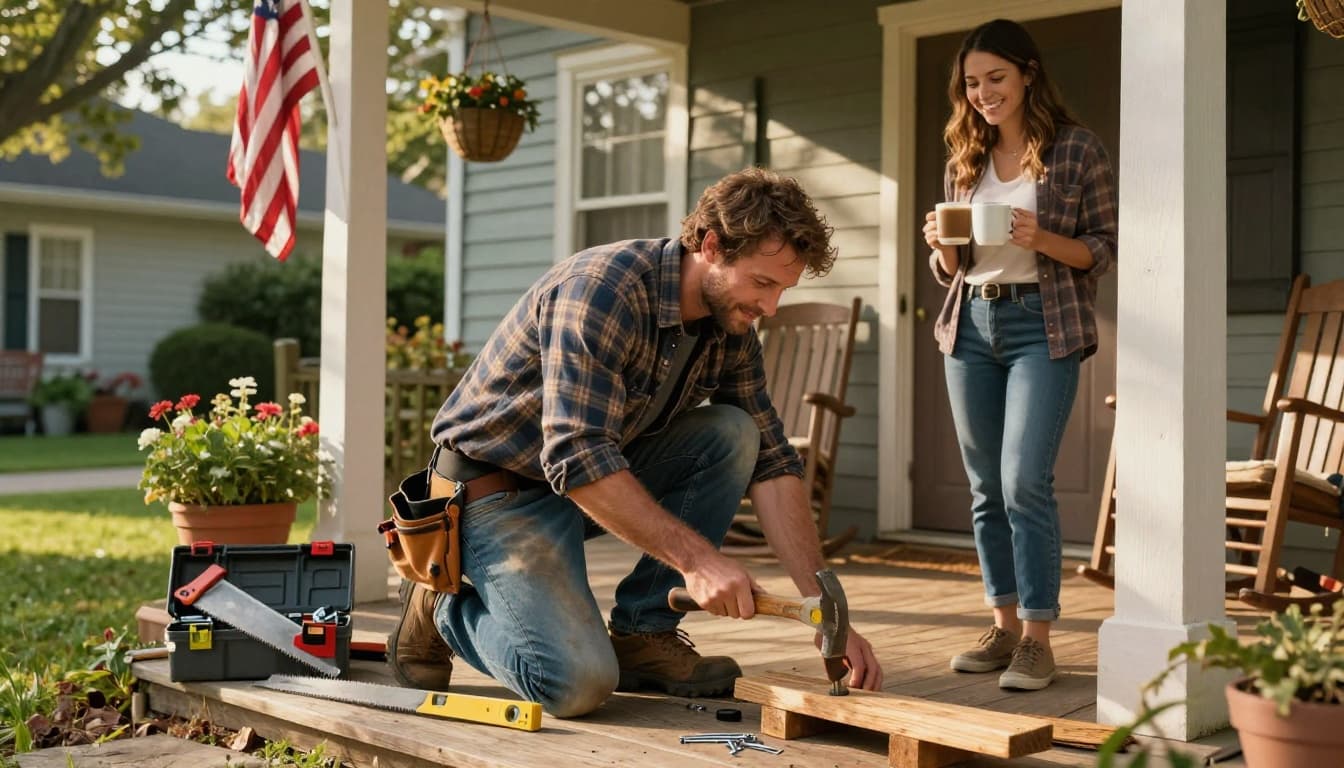 Porch repairs and soft smiles
Grumpy sunshine works anywhere, but in a small town it hits different because the whole place becomes a mirror. The grump can try to stay sealed off, but the town has history with him. People remember the kid he was, the brother he is, the man who used to coach Little League before life hardened his edges. In a swoony sweet small town romance, that context makes the “softening” feel natural, not forced.
The sunshine character doesn’t “fix” the grump. She just keeps showing up as herself, warm, steady, and annoyingly hard to dismiss. Meanwhile, the community keeps noticing the tiny tells, and they don’t let him hide behind one-word answers forever.
I especially love when the story shows the grump’s goodness through actions that are almost accidental, like he can’t help it:
- At a fundraiser, he “happens” to be the one hauling folding tables in the rain. He grumbles the whole time, but he also stays late to sweep, then drops a quiet donation when he thinks no one’s looking.
- He fixes a porch step for an older neighbor. He says it’s “unsafe” and acts irritated, but he sands the wood carefully and checks it twice because he’d rather be annoyed than responsible for someone getting hurt.
- Someone gets sick, and he delivers soup. He claims he had extra. The container is labeled, the broth is homemade, and it’s exactly what the person needs.
The sunshine character usually witnesses these moments, not like a detective, but like someone who recognizes tenderness when she sees it. The town helps too, in the way only a small town can: gentle teasing, subtle nudges, and the occasional “Oh, he’s not that bad” from someone who knows the truth.
When it’s done well, grumpy sunshine becomes a story about safety. The grump learns he doesn’t have to carry everything alone, and the sunshine learns her warmth doesn’t mean she has to accept cold behavior. The romance lands because both people grow, and the town’s watchful care makes the growth feel believable.
Friends to lovers in a town where everyone sees it coming
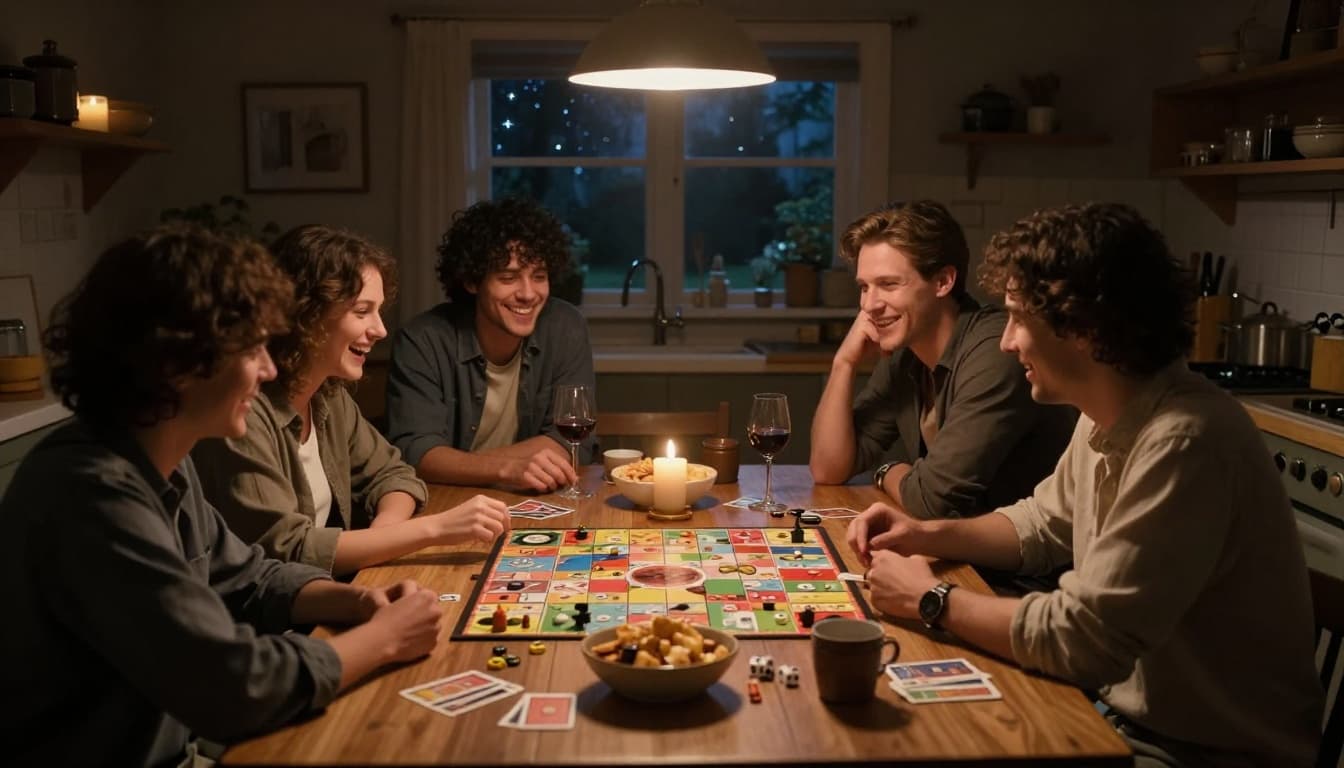 Cozy board game night with a spark in the air
Friends to lovers is basically slow burn comfort food, and small towns make it richer because closeness feels built-in. Shared history isn’t a gimmick here. It’s stitched into everything, from nicknames to routines to who sits next to whom at the diner without thinking.
What I love most is the low-pressure intimacy. These characters are already in each other’s orbit, so the romance can build through ordinary moments that start to feel charged. It’s a hand lingering when passing a bowl at dinner. It’s the way one of them always shows up early to help set up chairs, even when nobody asked. It’s the shift from “my friend” to “my person,” so subtle it almost scares them.
Small-town beats make this trope shine because they create natural proximity without feeling like contrived “forced together” scenes. Give me:
- Game night at someone’s kitchen table, where they bicker over rules and end up laughing too hard.
- Volunteering at the food pantry or a school event, side by side, doing small tasks that build trust.
- Family dinners where a parent says, “You’re here again?” with a smile that says, finally.
And yes, I want the town to see it coming. Not in a mean way, but in that warm, knowing way where people quietly root for you. The barista raises an eyebrow when they walk in together. A cousin “accidentally” seats them in the same booth. The older neighbor says, “Don’t let a good thing pass you by,” then goes back to her crossword like she didn’t just drop a truth bomb.
The magic of friends to lovers in sweet romance is that it doesn’t need big fireworks to feel swoony. It needs trust that’s already proven, plus one moment that flips the emotional light switch. After that, every small touch feels louder, and the slow burn pays off because it was never about chasing. It was about noticing what’s been there all along.
Second chances that feel earned (not rushed)
 Two people talking things through on a park bench
Second chance romance is risky in any subgenre because it can tip into “they kissed, so we’re fine now.” In sweet romance, I think it’s extra satisfying when it’s handled with care because the whole point is emotional safety. I want to believe the characters won’t repeat the same pain with a new coat of paint.
What makes second chances work in a small town is that the past is not abstract. It lives in places. The bench where they had their first real talk. The church basement where they argued during a committee meeting. The grocery store aisle where they’ve been politely avoiding eye contact for a year. That constant reminder forces honesty, and it also gives the couple room to rebuild in real time, in public and in private.
For me, the best “we’re trying again” stories include three things: real growth, clear apologies, and changed behavior I can point to on the page. Grand gestures are fine, but I’m always more moved by the boring, faithful proof. The kind that says, “I heard you, I believe you, and I’m doing better.”
When I’m deciding if a second chance feels earned, I look for a simple pattern like this:
- Accountability: They name what they did wrong without excuses or blame-shifting.
- Time: They don’t demand forgiveness on their schedule.
- Respect: They honor boundaries, even when it hurts their pride.
- Action: They show change in consistent choices, not just emotional speeches.
And I want the town to react in a realistic way. Some people will be wary. Some will be hopeful. A few will have opinions a little too loudly. That mix makes the reconciliation feel grounded, which is exactly what I want in a swoony sweet small town romance. Give me the slow return. Give me the careful rebuilding. Give me the moment where one of them realizes, with relief, “This time, it’s different,” because it actually is.
How I pick the right read for my mood (spice, angst, and pacing)
When I’m choosing my next swoony sweet small town romance, I don’t start with a trope list. I start with my nervous system.
Some days I want a gentle, steady love story that feels like a deep breath. Other days, I want sharper tension, faster pacing, and a little more heat, as long as the emotional tone stays kind. Matching the book to my mood keeps me out of slumps, and it saves me from forcing myself through a story that is not what I needed that week.
A simple vibe test I use before I commit to a series
 Paperbacks and tea on a cozy table,
Before I commit to a whole series (because yes, small town series love to trap me in the best way), I do a quick 60-second vibe check. I don’t overthink it. I just answer fast, based on what sounds comforting right now.
Here’s the mini quiz. Pick Yes or No for each:
- Do I want laughs right now? (More banter, quirky side characters, lighter scenes.)
- Do I want family drama on the page? (Complicated siblings, parents with opinions, messy history.)
- Do I want a beach town setting? (Salt air, docks, sunrise walks, cozy shops, tourist season energy.)
- Do I want a single-parent storyline? (Caretaking, real-life stakes, tenderness that shows up in small ways.)
- Do I want slow burn? (Longer build, more yearning, fewer “we’re together by chapter five” moments.)
How I use my answers is simple:
- If I say Yes to laughs and No to family drama, I look for lighter, friend-group-forward books with low angst.
- If I say Yes to family drama, I want a story with depth, but I also want emotional safety. I’m picky about how conflict gets handled.
- If I say Yes to beach town, I’m choosing atmosphere on purpose, the setting becomes part of the comfort.
- If I say Yes to single parent, I want a love interest who respects time, boundaries, and responsibilities.
- If I say Yes to slow burn, I’m signing up for a longer simmer, not instant fireworks.
The best rule I’ve learned is this: match the book to the mood, not the other way around. I can love a certain trope and still not want it today.
Signs a book will feel safe and satisfying
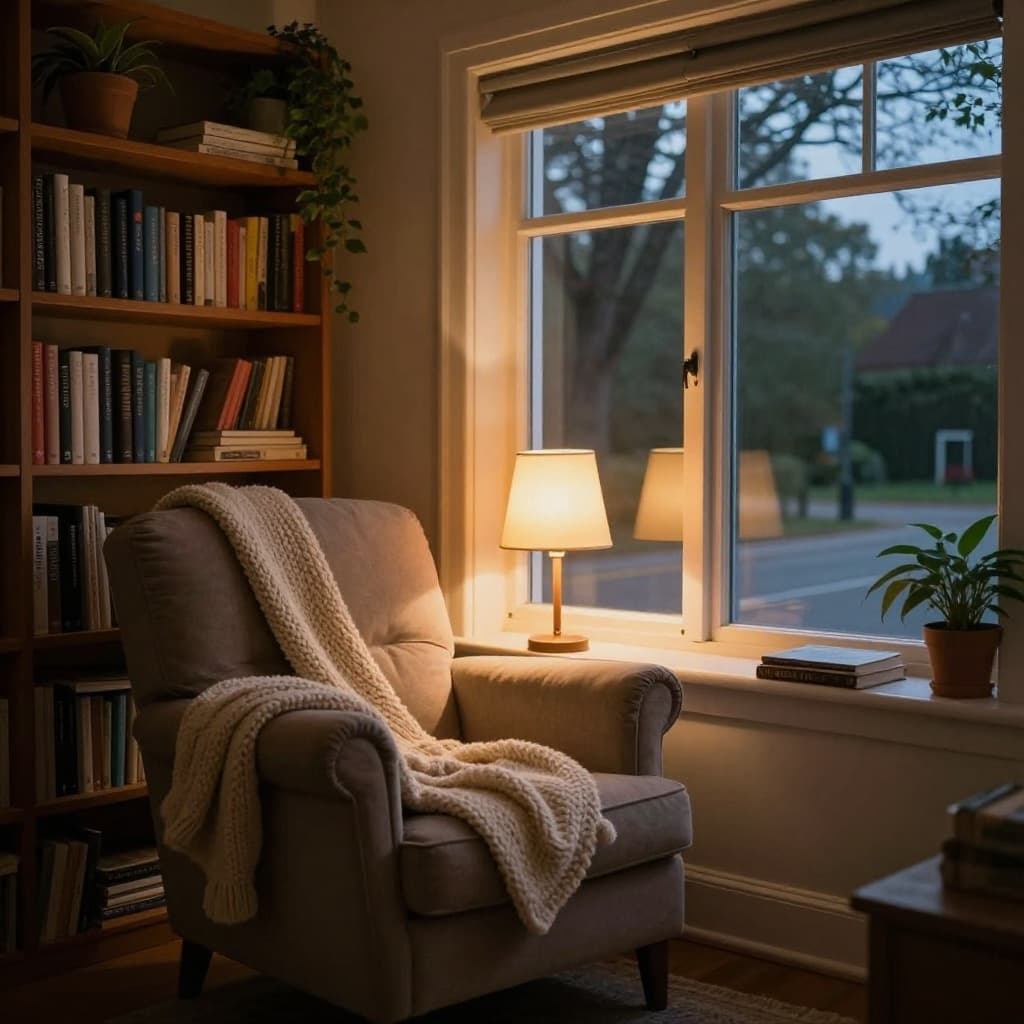 An inviting reading nook with warm light
I’m not always looking for “low conflict.” I am always looking for a book that feels fair. In a swoony sweet small town romance, I want to trust the author with my emotions. I want tension that builds the relationship, not tension that poisons it.
These are my personal green flags, the signs I’m probably in safe hands:
- Respectful communication: They ask questions, they listen, they don’t punish each other with silence for five chapters.
- Supportive friends (and not fake friends): The side characters feel like a safety net, not a gossip squad that exists to stir chaos.
- Clear HEA/HFN signals: The tone stays hopeful, even when the characters hit a rough patch, I don’t feel tricked.
- Problems are mostly external to the couple: Work stress, family obligations, small town expectations, grief, money pressure. The relationship becomes the shelter, not the battlefield.
- A comfort setting that does real work: The town feels lived-in, the café is a refuge, the marina is a reset button, the bookstore is a second home.
I also pay attention to how the love interest acts when the main character is vulnerable. A sweet vibe usually shows up in tiny choices: the way he gives her space, how she checks consent without making it a speech, how they handle disappointment without getting cruel.
One more thing, and I say this as someone who reads for comfort: personal boundaries matter. If a plot point, a dynamic, or a type of conflict doesn’t feel good, I skip it. I DNF. I read spoilers. I protect my peace. Reading is supposed to feel like relief sometimes, not homework.
If you’re building a bigger TBR of warm, character-driven love stories that still have range (sweet, steamy, funny, tender), I keep a running list of options in my roundup of romance books with Black female leads, because it’s a great reminder that “safe and satisfying” comes in a lot of tones.
If I want more heat, I can still keep the sweet vibe
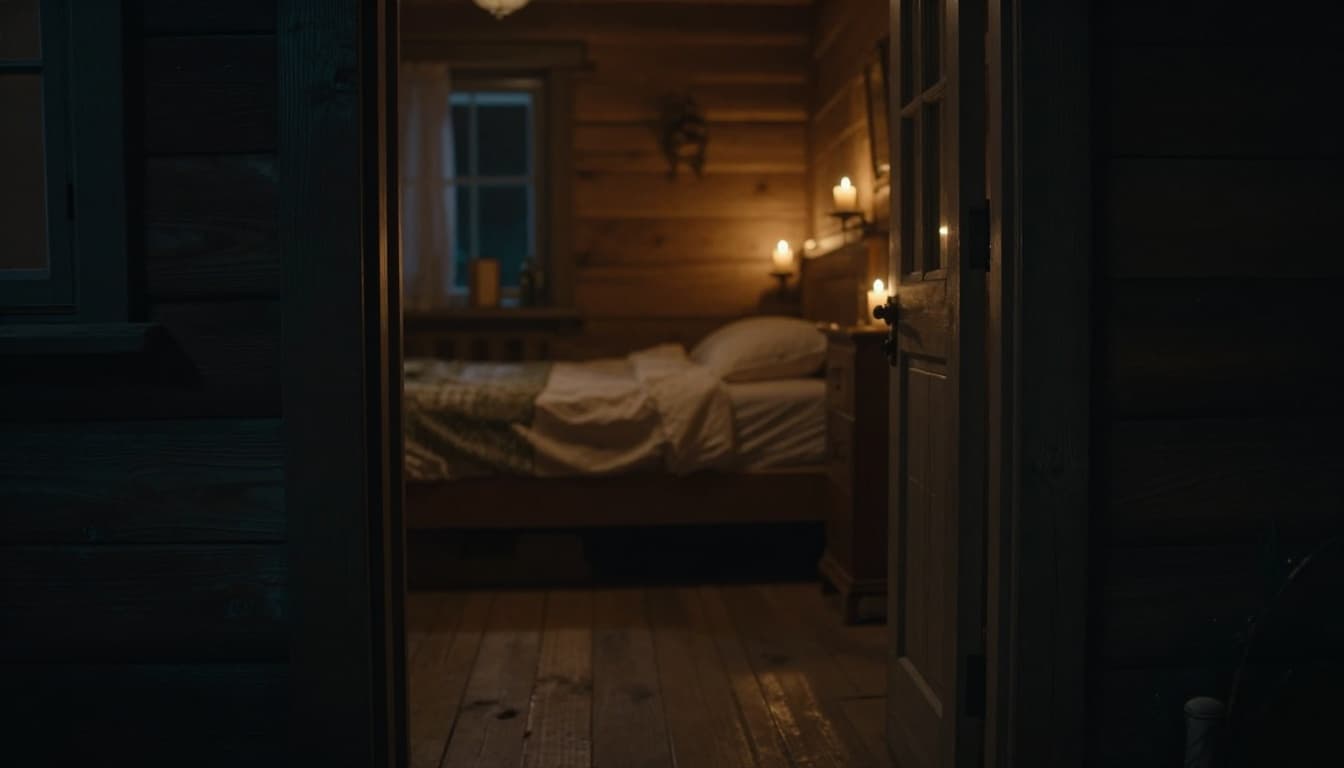 Soft candlelight in a cozy cottage doorway
I’ve noticed more and more small town romances sliding into a specific sweet spot: cozy tone, strong emotional safety, and higher spice than readers used to expect from “sweet” stories. No judgment from me. Sometimes I want closed-door comfort. Sometimes I want open-door chemistry. The only deal-breaker is when the heat replaces the relationship growth instead of adding to it.
When I’m shopping for “more heat, still sweet,” I focus on the signals, not the marketing. Here’s what actually helps me find the right fit:
First, I search with very plain, specific phrases. Things like: “small town” + “steamy but low angst” or “sweet hero” + “good communication”. I’m not trying to find perfect keywords, I’m trying to find reader language that matches what I want.
Second, I read reviews like I’m looking for weather reports. I’m scanning for a few phrases that usually mean the book keeps the sweet vibe:
- “Sweet hero” (or “cinnamon roll,” or “golden retriever energy”)
- “Good communication” (or “they talk things out”)
- “Low angst” (or “conflict felt realistic”)
- “Cozy town” (or “strong community vibe”)
Third, I watch the pacing. In a hotter book, it’s easy for things to speed up fast. That can be fun, but if I’m in my swoony era, I still want the relationship to earn the intimacy. I want flirting that builds, trust that shows up on the page, and affection that isn’t only physical.
My final check is simple: even with more spice, does the story still feel like a swoony sweet small town romance? If the answer is yes, I’m in. If the answer is no, I save it for a different mood.
Book recommendations and author styles to try next (plus what to expect)
When I’m hunting for my next swoony sweet small town romance, I’m usually not just picking a plot. I’m picking a setting mood and an author voice. Some writers feel like a soft cardigan, some feel like crisp sea air, and some make me laugh so hard I forget I was having a day.
Below are a few “try this next” lanes I rotate through, plus what I think you can expect from each style (comfort level, community vibes, and how the swoon tends to show up on the page).
Cozy coastal and lake town vibes for that soft, breezy swoon
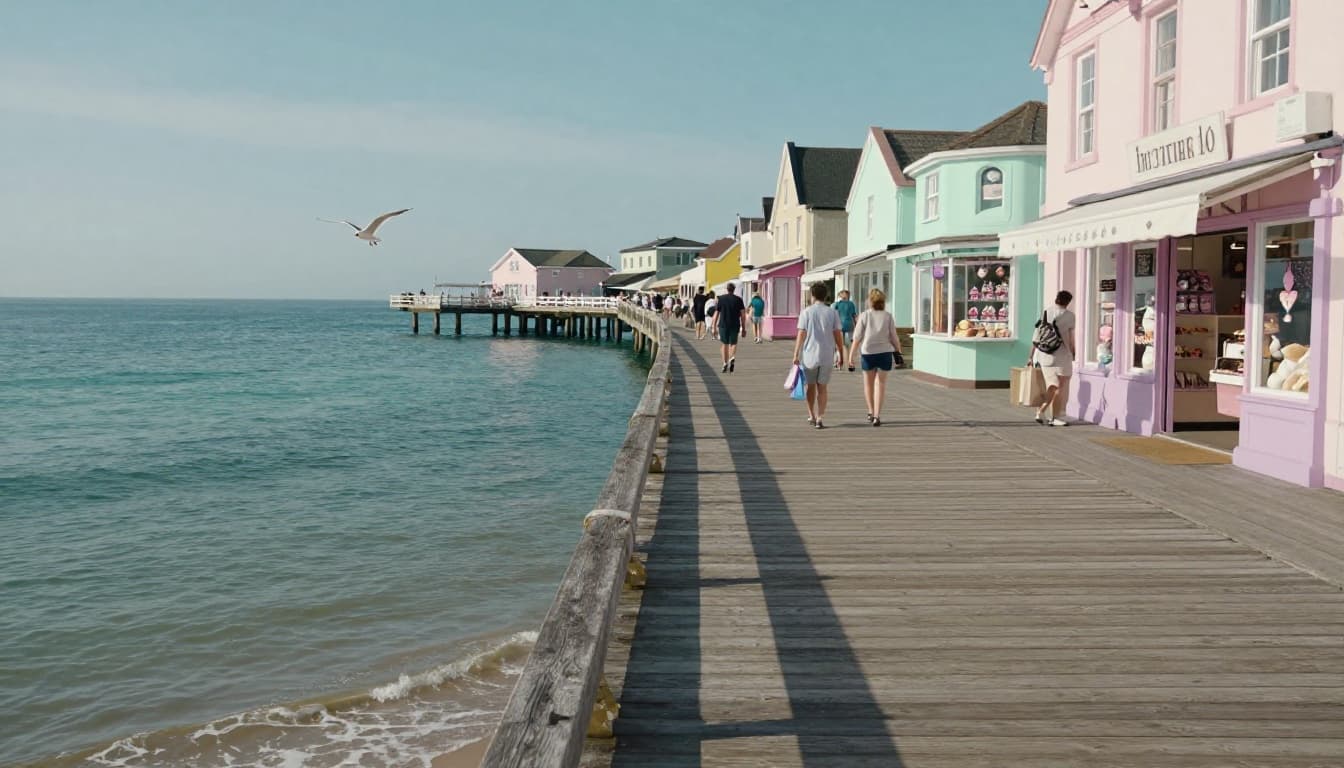 Pastel shops lining a cozy pier in a beach town
When I want comfort that feels airy instead of heavy, I go straight to beach towns and lake towns. These stories tend to soothe me with routines (morning walks, coffee stops, familiar faces) and that “the town notices you, but it’s not cruel about it” energy. The romance usually unfolds like a tide coming in, slow, steady, and impossible to ignore.
Here are a few author styles and titles I reach for:
- Jill Shalvis (Lucky Harbor series): This is my pick for coastal small-town warmth with a playful heartbeat. Expect tight-knit community, friendships that feel like found family, and heroes who show up with actions, not speeches. The swoon is often in the caretaking moments, like fixing something without making it a big deal.
- Debbie Macomber (Cedar Cove books): If I want wholesome small-town comfort where community is the point, this is it. These stories often feel like sitting at a kitchen table while life happens around you. Expect interwoven town lives, gentle romantic arcs, and a steady, hopeful tone.
- Mary Kay Andrews (Southern coastal romances, often with a “starting over” hook): When I’m craving beachy atmosphere plus a heroine rebuilding her life, her books hit. Expect a strong sense of place, home renovation or small business energy, and romance that feels earned because the main character is also repairing herself.
- Carley Fortune (lake-setting love stories like Every Summer After): If you want lake nostalgia with bigger feelings, this is a solid lane. Expect tender yearning, memories that carry weight, and romance that feels like a handwritten letter you forgot you saved. This one can lean more emotional, but it still delivers that water-town softness.
What to expect from this vibe: lots of community texture (bookstores, marinas, diners), a comfort-forward pace, and swoony moments that land best in the quiet scenes. I also find these settings naturally reduce “cheese” because the everyday details do so much work.
Ranch and mountain town romances when I want rugged sweetness
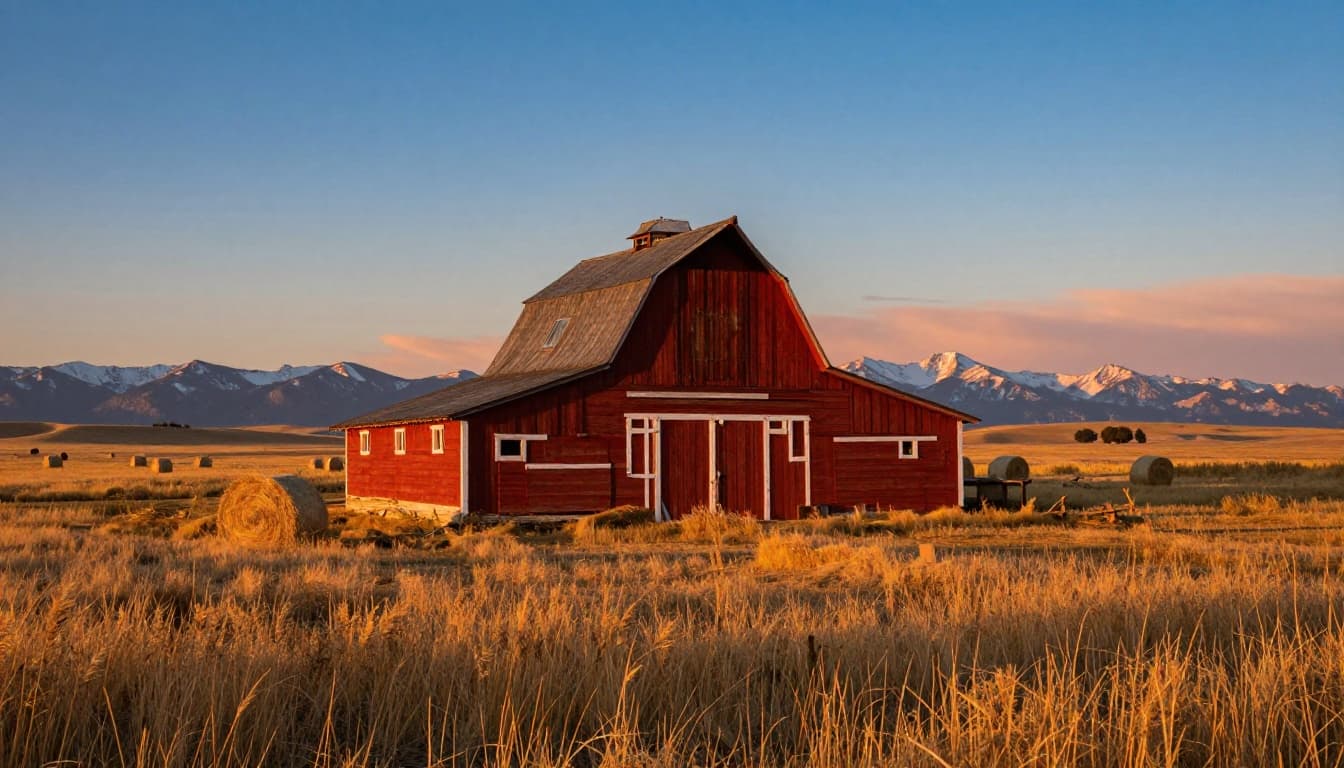 Golden-hour light over a barn and open field
Ranch and mountain town romance is what I read when I want love that feels like a flannel blanket: practical, warm, and a little weathered in a good way. The best versions give me protective but respectful heroes, big-sky quiet, and families that are messy but loyal. This lane can go spicier depending on the author, but the emotional core is often still soft.
A few great places to start:
- Elsie Silver (Chestnut Springs series): If you like rugged heroes with real feelings (and you don’t mind more heat), this series is a favorite for a reason. Expect strong chemistry, small-town pressure, family ranch dynamics, and men who look tough but act steady when it counts. The “protection” reads as, “I’ve got you,” not, “I own you.”
- Vivian Arend (rocky mountain ranch romances): These books tend to carry that cozy series comfort where family shows up a lot, siblings have opinions, and the town feels like a big extended circle. Expect capable heroines, affectionate community moments, and romance that builds through shared work and shared days.
- Bailey Hannah (Alive and Wells): This is for when I want the ranch setting with a more modern edge and a stronger emotional bite (and yes, it’s spicier). Expect healing energy, a hero who pays attention, and that satisfying “your life can change here” small-town reset.
- Lyla Sage (Done and Dusted): If you want a fresh, fun take on small-town western romance, this hits. Expect banter, horses, community ties, and a love story that still feels tender even when the attraction is loud.
What to expect from this vibe: lots of competence (fixing fences, saving animals, family responsibility), protective instincts that read sweetest when paired with consent and respect, and romantic gestures that feel grounded. A swoony sweet small town romance in this lane often proves love through reliability, not theatrics.
Funny, quirky small towns when I need more laughs than tears
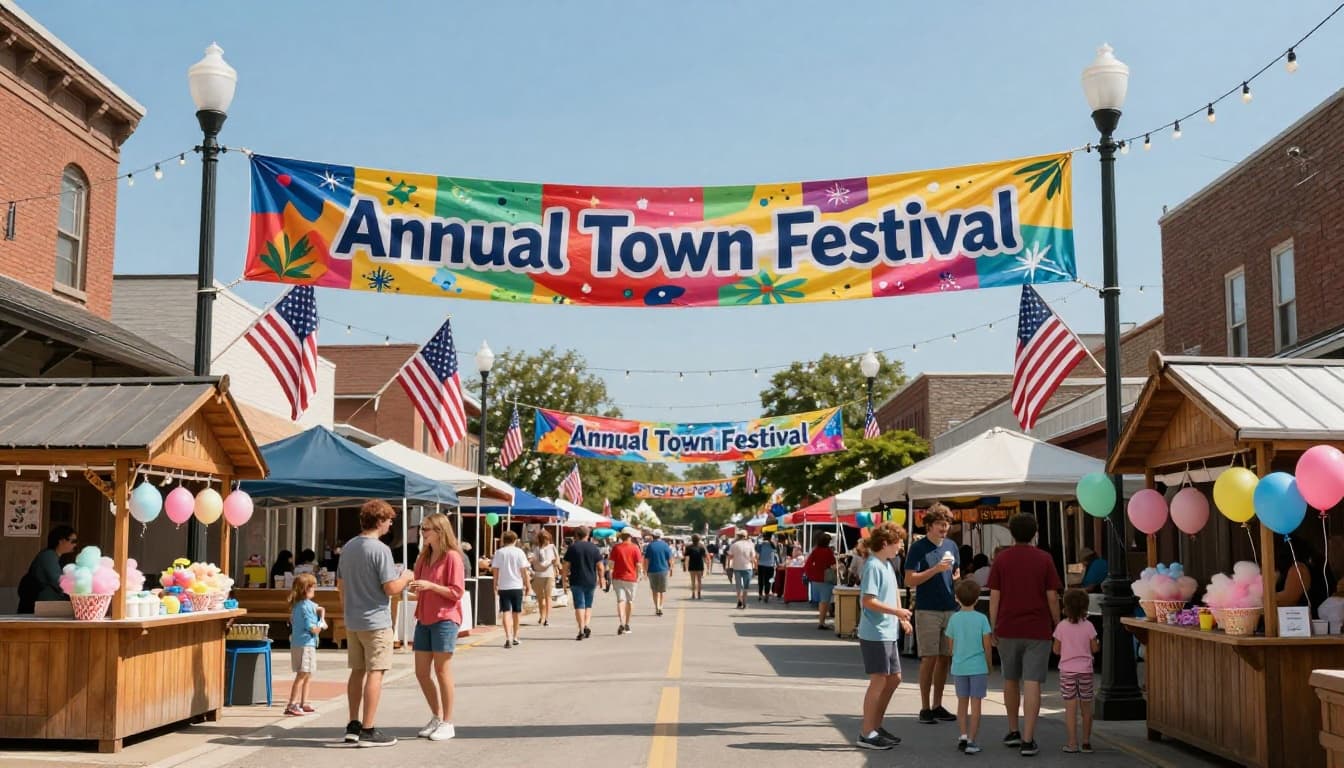 Main Street during a lively small-town festival
Sometimes I don’t want a cathartic cry. I want a book that feels like laughing in the kitchen while someone burns the first pancake. Funny small-town romance can still be swoony, it just uses humor as the bridge. Jokes create intimacy fast, and in a close-knit town, the comedy often comes from lovable side characters, town events, and the way everyone has an opinion.
Here are a few options I trust for laughs with heart:
- Sarah Adams (Rome, Kentucky books like When in Rome): This is my go-to for sweet humor that stays kind. Expect charming family dynamics, small-town situations that feel sitcom-adjacent (but not cartoony), and romance that’s gentle even when the banter is sharp.
- Sophie Sullivan (light, quirky contemporary romance): Her style leans warm and breezy, with characters who feel like people you’d actually want to hang out with. Expect low dread, friendly pacing, and swoon that sneaks up in thoughtful gestures.
- Tessa Bailey (It Happened One Summer): If you want laugh-out-loud fish-out-of-water in a small fishing town and you’re fine with higher spice, this one brings it. Expect bold chemistry and a hero who’s gruff on the outside, soft where it matters.
How humor stays romantic (not hollow): the best funny books still give me emotional safety. The laughs aren’t at someone’s expense, and the couple uses humor like a shared language. It’s flirting in disguise, like tossing a tennis ball back and forth until one of them finally admits they want to be on the same team.
Conclusion
A swoony sweet small town romance works for me because it’s comfort with a pulse, a place that feels real, people who act like adults, and a love story that proves itself in small choices.
Here’s the recipe I keep coming back to:
Setting: a town with routines, history, and a few nosy regulars
Kindness: respect, boundaries, and apologies that come with action
Chemistry: the quiet kind that builds, then hits hard
Community: a soft safety net (not a cruelty machine)
Trope match: pick the setup that fits my mood, not my wish list
Heat level: anything goes, as long as the tone stays tender
Happy ending: the promise that hope wins, even after a rough season
Thanks for reading with me. Tell me your favorite small-town trope, and what kind of hero makes you swoon, steady, funny, grumpy, or quietly obsessed in the best way.
If you’re still in the mood to browse, I’ve got more reading posts around the site to keep your TBR cozy.


