

When Explicit Doesn’t Mean Intimate: The Truth and the Myths

I’ve finished a super spicy scene before, closed the book, and just sat there feeling oddly empty. The heat was there, the bodies were there, yet my chest didn’t ache in the good way. That’s when I remember: explicit doesn’t automatically mean intimate.
For me, explicit shows bodies, intimate shows hearts. Intimacy is the look that lands, the truth that slips out, the choice to stay when it’d be easier to run, even if the book never gets graphic. I notice it in romances that center the heroine’s inner life, like the ones I chase in romance books with strong independent female protagonists and romance novels with strong, competent heroines.
In this post, I’m sharing how I spot real intimacy on the page, why some explicit scenes still feel distant, and how I find books (spicy or not) that leave me emotionally full. I’ll pull examples from the kinds of character-first reads I love, including best romance books with strong female leads, emotionally complex strong heroines, and strong heroines in modern women’s fiction.
Also, this is about reading experiences and relationship dynamics, not shaming anyone’s preferences. Whether you’re here for romance books with Black female leads, plus-size FMC romances, pregnancy trope comfort reads, or fresh-start women’s fiction after divorce, I want you walking away with a simpler way to choose what will actually hit.

What I mean by “explicit” vs “intimate” (and why people mix them up)
I separate these two because they aim at different targets. Explicit is about how much the author shows on the page. Intimate is about how closely I feel the characters connect, even when the scene stays fully clothed.
I’ve read high-heat romances that left me emotionally cold, and I’ve read low-heat stories that made my throat tighten. The difference usually isn’t skill or “spice level.” It’s whether the bond is changing in real time, and whether the characters feel safer and more honest because of what happened.
Explicit is about detail on the page, not depth in the bond
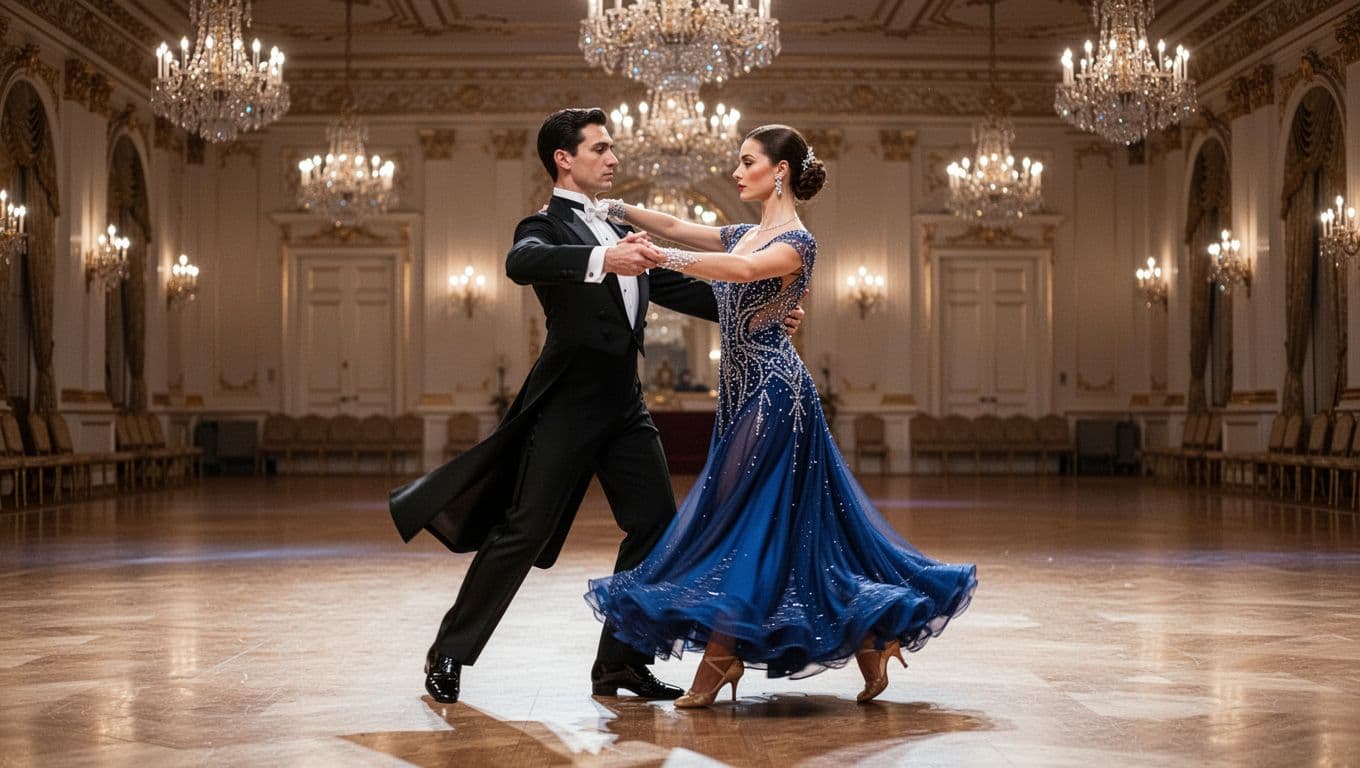 An image of a couple moving in perfect sync, but without warmth
Explicit scenes can be beautifully written and still feel like a performance. Think of it like a dance recital. The steps are impressive, the timing is sharp, but you don’t sense two people actually meeting each other.
That’s why I try not to treat “explicit” as a synonym for “emotionally satisfying.” Heat can exist without closeness. It can even exist while the characters stay emotionally guarded, or while the scene functions as a reward beat instead of a relationship beat. When I want intimacy, I’m watching for the emotional consequences, not just the description.
Here are a few clean, non-graphic signs a scene is leaning more toward description than connection:
- Lots of choreography, little interiority: I can track who moved where, but I can’t tell what it cost them to be vulnerable.
- Big reactions, small feelings: There’s intensity, but not much tenderness, humor, awe, or nervous honesty.
- No aftercare or emotional landing: The scene ends, and they simply move on, even though closeness usually leaves a mark.
- Nothing changes afterward: No new trust, no shift in how they speak, no softened edge, no new boundary honored.
When romance is built around character growth, I expect those ripples. That’s part of why I love stories that focus on what women want and fear, whether I’m reading romance or women’s fiction. If you like thinking about what makes a relationship-centered story work, the genre framing in women’s fiction vs romance fiction differences can help put words to that gut feeling.
My quick test: if you could swap in a different partner and the scene would read almost the same, it might be explicit, but it isn’t intimate.
Intimacy is feeling known, safe, and chosen

Intimacy, to me, is that steady feeling of, I’m safe here. It’s when a character reveals something unflattering, awkward, or tender, and the other person doesn’t turn it into a weapon. It’s when the love interest doesn’t just want the heroine, they show up for her reality.
What does that look like on the page? It often shows up in small markers readers can feel in their bones:
- Honesty that risks rejection: A confession, an apology, or a truth they usually hide.
- Consent that feels personal: Not a checkbox, but a real check-in, with room for a “not yet.”
- Tenderness and care: The gentle pause, the warmth, the attention to comfort.
- Inside jokes and shared language: The tiny “us” moments that prove history is forming.
- Messy parts included: Anxiety, grief, insecurity, past mistakes, complicated families.
- Being accepted anyway: Not fixed, not shamed, not pushed to perform.
And here’s the part I wish romance culture said louder: intimacy doesn’t need a bedroom. I’ve felt it in a kitchen scene where someone cooks quietly while the other person talks. I’ve felt it in a sickbed scene where care is patient and unshowy. I’ve felt it in a hard conversation where a character finally says, “That hurt me,” and the other one listens.
Those scenes hit extra hard in books that understand emotional change, the kind discussed in women’s fiction themes and tropes and the character-level strength behind them in traits of strong heroines in women’s fiction. If you love coastal comfort reads, that “safe and chosen” feeling is also a big reason beach-town fresh-start stories feel like therapy for so many of us.
Why the two get confused in romance culture

The mix-up makes sense, because romance culture often uses “spicy” as shorthand for “good.” Marketing pushes heat levels because they are easy to tag, easy to sell, and easy to summarize in a single line. Trope tags and content labels also train us to expect that explicitness equals intensity, and intensity can feel like intimacy at a glance.
Social media adds another layer. Soundbites reward big reactions: “This scene ruined me,” “five peppers,” “I screamed.” Those posts aren’t wrong or shallow. They’re just optimized for impact, and impact often gets confused with closeness.
At the same time, readers are also craving emotional connection right now. In 2026 romance chatter, there’s a strong appetite for yearning and slow-burn emotional build, not only fast heat. That tracks with what I’m seeing on my own shelves. When I want a story to stick, I want the relationship to deepen, not just escalate.
A couple clarifiers that keep the conversation welcoming (and honest):
- A high-heat romance can absolutely be intimate when the characters are emotionally present, respectful, and changed by each other.
- A low-heat romance can be deeply romantic when the longing is specific and the trust feels earned.
So when I see “spicy” in a blurb, I don’t assume anything about the bond. I just treat it like a camera setting: how close is the lens going to get, and what is it going to notice?
If you like naming the ingredients that tend to show up in satisfying love stories, I keep coming back to lists like things women love in romance fiction because they remind me that readers crave more than heat. And when I want a clean genre compass for stories where the emotional journey leads, I like revisiting what is women’s fiction.
Why some explicit scenes feel distant, even when the chemistry is strong
I can believe two characters want each other and still feel like I’m watching through glass. The writing can be sexy, the banter can crackle, and the attraction can be obvious, yet the moment lands flat because it doesn’t feel personal. Chemistry is fuel, but intimacy is direction.
In 2026 romance talk, I keep seeing readers ask for more character-driven stories and slow-burn emotional build, not just higher heat. That tracks with what I want too. When a spicy scene feels distant, it usually misses one of these anchors.
The scene shows bodies, but it doesn’t show choices

The fastest way for a sex scene to feel impersonal is when it reads like a sequence of events instead of a series of decisions. In real intimacy, people choose each other in small, steady ways. They slow down. They notice. They adjust. They ask. They respond.
When the page makes room for choice, the scene becomes about trust, not just sensation. I don’t need a formal speech about consent. I just need the characters to act like full humans with agency.
Here’s what I’m looking for in simple, story-first terms:
- A pause that means something: A character hesitates, then chooses to stay.
- A check-in that fits their voice: “Is this okay?” “Tell me what you want.” “Do you want to stop?”
- A change of course: They switch positions, slow down, or stop because comfort matters.
- A preference honored: Not perfection, just attention that says, “I’m listening.”
On the other hand, some scenes feel distant because things “just happen.” The couple tumbles into bed because the plot needs a spice beat right now. Nobody is steering. Nobody is asking for what they want. Nobody is choosing anything except the next move.
That kind of autopilot often pairs with the same communication gaps that drive readers crazy in romance, the ones I talk about when I rant over frustrating communication tropes in romance. If a couple can’t speak honestly in daylight, the bedroom can start to feel like a stage instead of a safe place.
What makes it intimate for me: not the boldest act, but the clearest choice.
No emotional stakes, no payoff
 A couple sharing space without emotional connection
A sex scene feels intimate to me when it answers a question the story has been asking. Not the reader’s question of “how spicy is this,” but the character’s question of “am I safe with you?”
The most satisfying intimate scenes tend to resolve (or complicate) something tender, like:
- Can I trust you with my body and my feelings?
- Will you stay when it’s not easy?
- Do you really see me, not just the version that performs well?
- If I ask for what I need, will you respect it?
When that emotional thread is missing, the scene can feel like filler, even if the chemistry is strong. It’s like watching fireworks with no sound. Bright, quick, then gone.
This is also why I’m drawn to stories that admit love isn’t tidy. Real connection has nerves, mixed signals, and the occasional misstep. That “messy but meaningful” feel is exactly what I love about why real love feels messier than romance novels. If a book skips the messy inner stuff, explicit scenes can start to feel pasted in.
Silence can also drain the stakes. If the characters avoid the one honest sentence that would change everything, the sex can read like a detour instead of progress. I see that dynamic in silence igniting drama in romantic tension, and I notice it in spicy scenes too. If they can’t speak, they can’t fully meet.
The payoff comes when the act changes something. Maybe they finally admit fear. Maybe they stop pretending they don’t care. Maybe one person realizes, with a jolt, “Oh. This isn’t casual for me.” That’s the moment I feel the intimacy snap into focus.
It happens too soon (or too late) for the relationship arc
 An awkward moment of reaching too soon
Pacing can make even a well-written explicit scene feel distant. The timing has to match the couple’s emotional reality. Otherwise, it reads like lust without safety, or like a victory lap after all the tension is already spent.
If it happens too soon, I often feel the disconnect because the story hasn’t built enough emotional footing. The characters might want each other, sure, but intimacy usually needs at least a thin layer of “I won’t hurt you on purpose.” Without that, the heat can feel like it’s floating above the relationship instead of rooted in it.
If it happens too late, the scene can feel flat for a different reason. Once every fear is resolved and every conflict is neatly tied, there’s no pulse. It’s sweet, but it might not feel alive.
My rule of thumb is simple: the best explicit scenes match where the couple is emotionally right then.
Not where the trope says it should happen. Not where a spice quota says it should happen.
This is one reason certain tropes hit harder for me than others. Second-chance romances, for example, often delay physical intimacy until the characters rebuild trust, and that wait adds meaning. I wrote about that comfort in healing through second-chance romances, and it ties directly to pacing. When the body comes back into the story at the same time as honesty, the scene feels earned.
Meanwhile, high-stakes setups can push intimacy earlier, but it still has to align with character. An accidental pregnancy story can work because it forces real decisions fast. The key is whether the book treats those decisions with emotional weight, like the kind highlighted in surprise baby love stories with high emotional stakes.
Timing isn’t a calendar date. It’s the moment the characters are ready to be seen.
The “after” matters more than the act

If I had to pick one intimacy marker that’s overlooked, it’s the “after.” Not just the immediate cuddle, but the emotional landing. The minutes, the next morning, the next conversation, the way they treat each other when nobody is trying to impress anyone.
This is where tenderness shows up in small, believable ways:
- Someone grabs water, a blanket, a shirt, or checks the room temp.
- They ask, “You okay?” and actually mean it.
- They laugh softly, because the moment broke them open in a good way.
- They talk, even briefly, about what that meant to them.
- They’re accountable if something felt off.
I also love when authors include aftercare in an accessible way. Not as a big educational moment, just as comfort and checking in. Being gentle. Making space for feelings. Letting the body come back to normal while the heart catches up.
When a book ends the scene the second the act is over, I often feel that distance again. In real life, closeness leaves fingerprints. People don’t usually snap back to normal like nothing happened. If the story pretends they do, the sex can start to feel like a detachable set piece.
This is also where messy love feels real to me, the kind that includes awkwardness, mismatched expectations, and repair. That’s why I keep circling back to stories that allow for imperfection and growth, because intimacy often looks like “I’m here, even now.” If you like that emotional realism, you’ll probably recognize it in the themes behind vulnerability and complex emotions in authentic relationships, especially when the couple has to care for each other outside the sexy moment.
In short, the act can be hot, but the after is where I decide if it was intimate. The after tells me whether they’re building a relationship, or just sharing a scene.
What real intimacy looks like on the page (even in closed-door romance)

When a romance is closed-door (or just lighter on the page), I don’t feel “cheated” if the intimacy is real. I’m still getting the good stuff: tenderness, trust, nerves, and that sense of two people choosing each other in small, specific ways.
In other words, I’m watching for connection that changes them. If the story gives me a steady build of safety and honesty, a fade-to-black can feel more electric than a scene with explicit detail. This also lines up with what I’m seeing readers ask for lately: more yearning, more emotional payoff, less formula.
Vulnerability scenes that don’t involve sex
If I want intimacy on the page, I look for moments where a character risks being seen. Not in a grand, dramatic way, either. I mean the quiet kind, the kind that could happen in a beach house kitchen while the kettle warms.
Here are vulnerability beats that consistently feel intimate to me, even with zero spice:
- Admitting a fear out loud: “I’m scared I’ll disappoint you,” or, “I don’t know how to be good at this.” A simple truth, said with a tight throat.
- Sharing an old heartbreak: Not a full monologue, just a few honest details, plus the reaction on the other person’s face when they finally understand.
- Introducing a partner to family: Especially when the family is complicated. The intimacy is in the silent squeeze of a hand that says, I’ve got you.
- Asking for help: A character who hates needing anyone finally says, “Can you come with me?” That request is a door opening.
- Letting money stress show: Overdraft notices, a second job, a broken-down car. When the love interest responds with respect, not rescue, I melt.
- Naming anxiety or grief: A wave of panic at the grocery store, or a sudden cry at the sight of an old photo. The intimate part is the steady presence beside them.
- Body insecurity handled gently: I love when the narrative refuses shame. If you’re drawn to this kind of tenderness, my guide to romance books with plus-size FMCs taps into the same “you’re safe with me” feeling.
In cozy coastal stories, these scenes feel like sea glass. They’re small, but they shine because they’re true.
A closed-door romance still feels hot when it feels personal. Vulnerability makes the connection specific, not generic.
Communication that feels earned, not forced
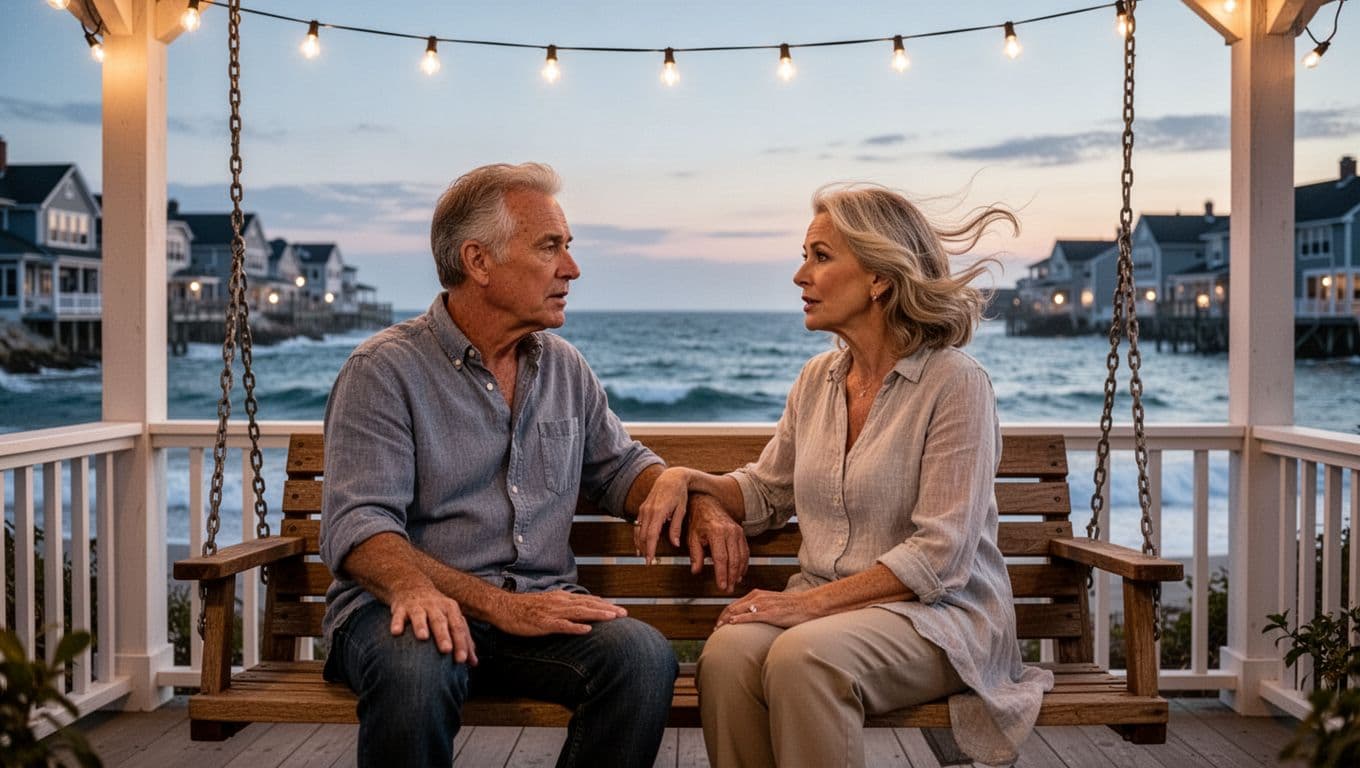 A couple talking things through with care on a porch swing
I love a big romantic speech as much as anyone. Still, speeches are not the same thing as communication. Real intimacy shows up when characters listen well, respond clearly, and do the awkward work of repair.
Miscommunication tropes can be fun, especially when the tension is delicious. However, emotional intimacy grows when the couple finally talks like adults, even if they stumble at first. I look for small, practical markers that make a conversation feel lived-in, not staged:
First, they repeat back what they heard, in their own words. It’s not robotic. It’s a check: “So you felt replaced when I canceled, right?” That line tells me they care about accuracy, not winning.
Next, they ask follow-up questions instead of rushing to defend themselves. “What part hurt the most?” lands better than “I didn’t mean it.” Intent matters, but impact matters too.
Then, if they messed up, they apologize clearly. I want the clean version: “I did X, it hurt you, I’m sorry, it won’t happen again.” No blame confetti tossed on top.
Finally, the best conversations include a plan. Not a perfect plan, just something actionable. They decide what changes next time, because love without follow-through starts to feel like performative tenderness.
That’s the kind of talk that makes me believe the relationship will last past the last chapter.
Respect, consent, and care as the real “spice”
 A couple sharing closeness with calm, steady trust, created with AI.
For me, the “spice” isn’t explicit language. It’s safety. When a character feels safe, they can be bolder, softer, more honest. That makes even a mild scene feel hotter, because I’m not bracing for a boundary to get ignored.
I don’t need consent to sound formal. I just need it to be enthusiastic and real, which usually looks like four simple moves:
- Ask in a way that fits the character’s voice.
- Listen to the answer, including the hesitation under it.
- Adjust without sulking, pressuring, or punishing.
- Care afterward, whether it’s a glass of water or a gentle “Are you okay?”
This applies to everything: explicit scenes, closed-door scenes, a first kiss, even a hand on a lower back in a crowded room. If the book treats consent like an ongoing conversation, not a one-time password, I relax. As a result, the intimacy lands deeper.
Chemistry that connects to who they are, not just how they look

Attraction is easy to write when it’s all cheekbones and abs. The chemistry I remember, though, is tied to character. It sticks because it feels like, “I want you,” not “I want a body.”
I light up when he notices her resilience, not just her looks. Maybe she keeps showing up for her kid, even when she’s exhausted. Maybe she rebuilt her life after a rough year. When admiration has specifics, it turns into intimacy fast.
I also love when she admires his steadiness. Not in a boring way, but in a grounded way. He answers the phone. He does what he said he’d do. He doesn’t make her guess. That kind of reliability can be incredibly romantic on the page.
Some of my favorite non-explicit, high-chemistry details are sensory and small:
- A steady hand at her elbow as they step off a curb.
- A warm hug that lasts one second longer than “polite.”
- A shared look in a crowded room that says, Are you okay? and, I’m here.
- The way they laugh together, especially after a hard day, when laughter feels like relief.
Those moments feel intimate because they connect to who the characters are under pressure. And when a closed-door scene follows that kind of build, I don’t need more detail. I already believe the bond.
How I choose romance that feels intimate, not just explicit
When I’m hunting for intimacy, I’m not hunting for a heat level. I’m hunting for connection that changes the characters. I want the kind of romance that leaves fingerprints on the rest of the story, whether the door is wide open or firmly closed.
Lately, that’s also where a lot of readers seem to be landing. I keep seeing chatter about craving yearning, slow-burn payoff, and character-first love stories over constant heat. That makes sense to me, because intimacy isn’t about what’s shown, it’s about what’s shared.
Look for “big emotions” signals in blurbs and reviews

Blurbs and reviews can’t tell me everything, but they do leave breadcrumbs. When I want intimacy, I look for phrases that promise an emotional arc, not just a physical one. The words don’t have to be fancy. They just need to suggest the characters will actually change with each other.
Here are a few “big emotions” signals that usually point me in the right direction:
- Slow burn: I expect earned trust, pacing, and tension that builds from who they are.
- Character-driven: I’m probably getting interiority, motivation, and choices that matter.
- Healing: I’m ready for tenderness, repair, and love that feels steady.
- Second chance: I’m expecting real accountability, and a relationship that grows back stronger.
- Found family: I’m likely to see belonging, community, and the couple woven into something bigger.
- Emotional journey, tender, heartfelt: These are green flags for scenes that linger and land.
Reviews help too, especially when readers describe how they felt rather than what happened. If I see “I cried,” “my heart hurt,” “I believed them,” or “the quiet moments wrecked me,” I perk up. Those reactions usually come from intimacy, not just spice.
On the other hand, I also notice phrases that tell me the book might not match my mood. “Nonstop spice,” “wall-to-wall heat,” or “spicy from page one” can be fun, and there’s nothing wrong with that. Still, if those lines come without any mention of relationship growth, I assume the story may focus more on sensation than closeness.
One extra filter I use is how the blurb frames love itself. If it sells control, chaos, or pain as “romantic,” I pause. That’s part of why I like thinking about how romance fiction shapes our expectations of real love, because it reminds me to choose books that match my idea of safety, not just intensity.
My quick blurb test: if the description could fit any two hot strangers, I keep scrolling. If it hints at specific emotional stakes, I’m in.
Check the story ingredients that usually create closeness
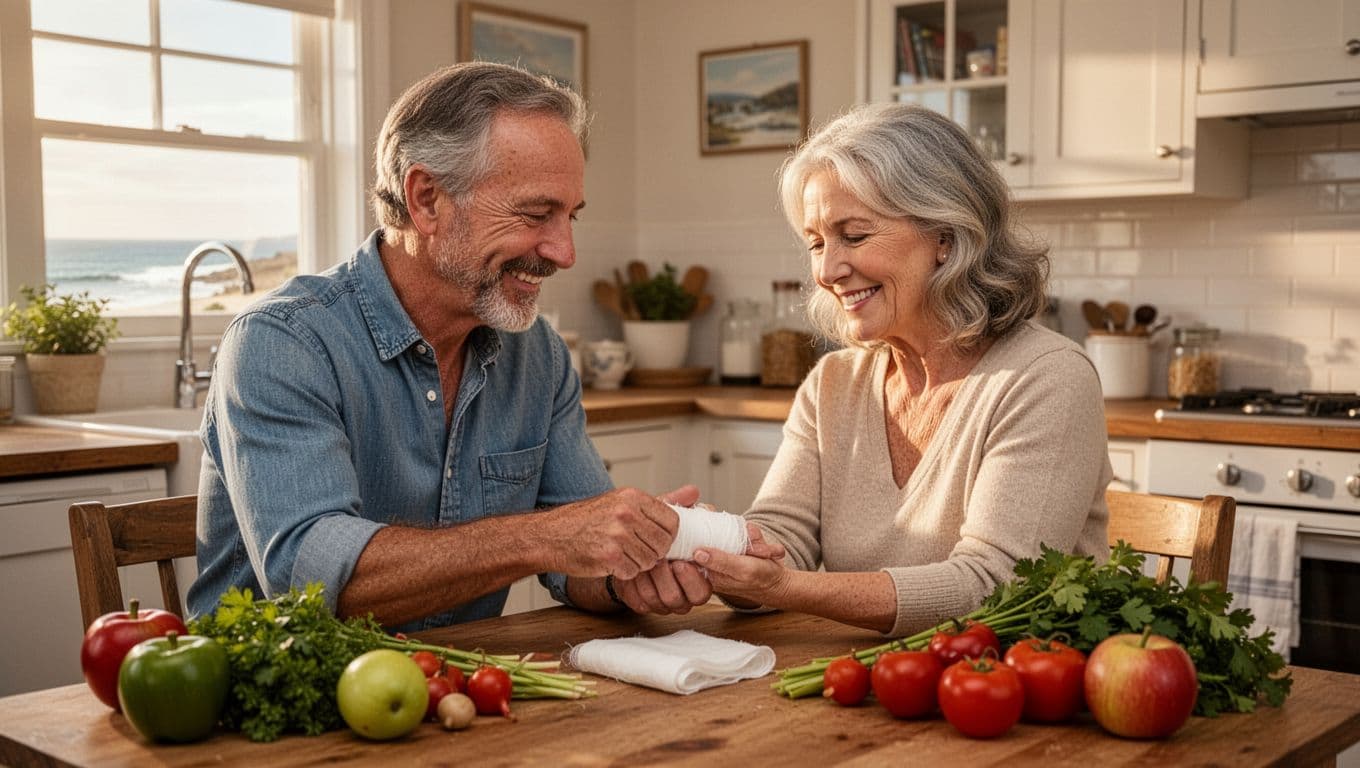 A simple caretaking moment that signals tenderness
Even before I start reading, I look for a few story “ingredients” that tend to create emotional closeness. Not because they guarantee intimacy, but because they naturally force characters to show up for each other in human, unglamorous ways. That’s where my favorite romance lives.
When I see several of these in the setup, I expect more intimacy on the page:
- Shared history: They already know each other’s patterns, soft spots, and bruises.
- Caretaking moments: Illness, injury, burnout, grief, or plain exhaustion. Love shows in the response.
- Small-town community pressure: Everyone notices, everyone talks, and privacy gets complicated fast.
- Family dynamics: Parents, siblings, kids, or chosen family. Real life walks into the relationship.
- Personal goals that matter: A dream, a boundary, a career change, a fresh start. The romance has to fit.
- Secrets revealed: Not for cheap shock, but because honesty becomes unavoidable.
- Meaningful sacrifice: Somebody gives up pride, comfort, time, or a “win” to protect the bond.
- Mutual respect: The love interest listens, adjusts, and treats the main character like a full person.
What I like about these ingredients is how they create earned tenderness. A caretaking scene, for example, doesn’t have to be dramatic to feel intimate. A character warming soup, charging a phone, or sitting quietly in the next room can say, “I’m not leaving.” That steadiness hits me harder than a dozen flashy scenes.
I also watch for whether the couple’s conflicts connect to real stakes, like family strain, fear of repeating old mistakes, or the risk of being truly seen. When the story pushes them into honest conversations and small acts of loyalty, the intimacy builds almost on its own.
Make peace with my own preferences (and let them change)
 A reader settling into a book based on her mood
My reading preferences aren’t fixed, and I’ve stopped treating that like a problem. Some nights I want high heat and sharp chemistry. Other nights I want closed-door comfort, gentle pacing, and the emotional equivalent of a warm blanket. Sometimes I want both, a slow build with a satisfying amount of spice once trust is solid.
Mood reading is real. Stress, grief, hormones, burnout, loneliness, and even the season can change what I’m hungry for. When I fight that, I end up choosing books that look “right” on paper but feel wrong in my hands.
So I give myself a simple permission slip: there is no correct level of explicitness. A book can be explicit and intimate. A book can be clean and intimate. A book can be explicit and still feel empty (and that doesn’t make it “bad,” it just means it wasn’t what I needed).
When I’m deciding what to pick up next, I ask one question that keeps me honest: What do I want to feel when I close the book? Not impressed. Not shocked. Not like I kept up with a trend. I want to feel satisfied, safe, and moved.
If I’m craving comfort, I look for tenderness, aftercare energy, and kind communication. If I’m craving heat, I still want respect and emotional presence. Either way, I’m chasing the same thing underneath it all: that sense that two people truly met each other, not just wanted each other.
My goal is never “more explicit.” My goal is that gentle, full feeling after the last page, like my heart got what it came for.
Conclusion
Explicit scenes can be fun, bold, and beautifully written, yet still feel hollow if nobody risks honesty. On the other hand, I’ve felt real intimacy in a quiet kitchen talk, a careful apology, or that steady moment of aftercare, because intimacy is about being known, safe, and chosen, not about how much the author shows.
Even with 2026 trends pushing higher spice, I keep coming back to the same test: did the relationship change on the page, or did the scene just happen? For me, intimacy shows up in choices, consent that feels personal, and emotional consequences that linger.
Before I pick my next read, I’m going to ask myself: What scenes made me feel seen? Did the couple grow in trust or tenderness afterward? Did I believe their bond, even when the door closed?
If you’re chasing that full-hearted feeling, I hope you’ll choose books that match the emotional experience you want, then tell me what kind of intimacy hits you the hardest.


