

Women’s Fiction About Self-Discovery: The Comfort Read That Helps Me Start Again

When I’m worn out from real life, I don’t always reach for fireworks. I reach for a book that feels like a deep breath. The kind where a woman hits a turning point, not the glossy kind, the honest kind, and slowly figures out what she wants next. That’s what I mean by women’s fiction about self-discovery. It’s a story where a woman learns who she is now, not who she used to be, and she earns that new understanding through choices that cost something.
In this post, I’m keeping it spoiler-free. I’m sharing what self-discovery looks like on the page, the story beats I secretly watch for, themes that hit hardest, and a starter reading list for when you want hope that still feels real.

What self-discovery looks like on the page, and why it feels so real

Self-discovery in women’s fiction usually isn’t a makeover. It’s an inner shift that shows up in regular-life decisions, like how she spends her time, what she stops apologizing for, and who she lets close.
Sometimes the plot catalyst is big and obvious: a divorce, a death, a betrayal, a layoff, a health scare. Other times it’s quieter, which can feel even more true. She’s numb. She’s people-pleasing herself into resentment. She realizes she’s built a life that looks fine from the outside but feels wrong in her bones.
These books often overlap with romance and small-town stories (which I love), but the central love story is usually the one she builds with herself. If romance is there, it supports the shift instead of replacing it. That’s why I like pairing this kind of reading with posts that focus on character strength, like Defining strong heroines in today’s women’s fiction and 13 traits of strong heroines in women’s fiction. They put words to what I’m already rooting for on the page: agency, honesty, backbone.
The emotional promise these stories make to me as a reader

I read women’s fiction about self-discovery because I expect three things: honesty, hope, and earned change. Honesty means the book doesn’t rush the hard parts. The character can backslide. She can make the wrong call. She can miss her old life even when it hurt her. Hope means the story doesn’t punish her for wanting more. It lets her want a second chance without making her “too much.”
Earned change is the key. The ending doesn’t have to be perfect. It just has to feel true, like she’s walking into her next season with her eyes open.
How women’s fiction about self-discovery is different from romance or a thriller

A simple way I sort it out is this: romance centers the couple’s relationship arc, thrillers center danger and twists, and self-discovery fiction centers identity and personal growth. Plenty of books blend elements, and that’s part of the fun. Still, the core question stays the same: who am I becoming?
If you like clean genre explanations, I also keep these two guides bookmarked: Women’s fiction vs romance: key differences and Women’s fiction versus romance fiction explained.
The story beats I watch for in a great self-discovery journey

Even when the setting changes, the best women’s fiction about self-discovery tends to move through a few satisfying patterns. Not formulas, more like emotional checkpoints I recognize in my body before I can name them.
There’s usually a “before” life that worked until it didn’t. Then a rupture, sometimes loud, sometimes silent. Then a messy middle where the character tries on new ways of being, with mixed results. The payoff isn’t a grand speech. It’s a moment of clarity that changes how she lives on a Tuesday.
I think these beats feel so comforting because they mirror real change. Nobody flips a switch and becomes a new person. We try, we wobble, we try again. If you enjoy character-forward stories in general, it can help to anchor your expectations with a breakdown like Women’s fiction explained for readers, because it reminds you what the book is promising, and what it’s not.
The moment she realizes her old life no longer fits
This is the scene I’m always waiting for, even if I don’t know it yet.
Sometimes it’s a catalyst: loss, betrayal, illness, kids leaving home, a move, a creative block, a career shakeup. Other times it’s a quiet reckoning. She notices she’s been holding her breath for years. She realizes she says “sorry” as a reflex. She catches herself shrinking so nobody gets mad.
The best books show the cost of staying stuck. Not with a lecture, but with consequences: the friendship that fades, the body that keeps score, the resentment that starts to leak into everything.
The messy middle, where growth is not cute
This is where I decide if the character feels real. The messy middle includes setbacks: bad dates, wrong choices, shame spirals, family pressure, money worries, and the temptation to go back. There’s often a “this is harder than I thought” phase that doesn’t get glossed over.
It’s also where community shows up. Found family, unexpected friendships, a neighbor who keeps checking in, a sister you haven’t called back. If you like that warm, coastal flavor of support, you might also enjoy Why beach-town fresh-start novels feel therapeutic, because it captures why certain settings make reinvention feel possible.
Themes that make these books unforgettable, and what they can help me process

When I’m choosing women’s fiction about self-discovery, I’m not only choosing a plot. I’m choosing a theme I can sit with for a few hours. These books can be amazing for book clubs because the emotional stakes are relatable, and the discussion questions write themselves.
If your group likes pairing fiction with broader context, I’ve found it useful to browse lists like the Women’s Prize for Fiction longlist coverage to spot character-driven novels that wrestle with identity in fresh ways.
Reinvention, fresh starts, and learning to choose myself
Reinvention is about agency. It’s the moment she stops waiting for permission.
That can look like changing careers, going back to school, starting a business, leaving a toxic situation, rebuilding confidence, or deciding she’s done being the “easy” one. I love when the book shows that small brave choices add up. A boundary. A hard phone call. A “no” that stays a no.
If you want romance adjacent stories with women who can carry their own lives, I keep collections like Strong, competent heroines in romance fiction nearby. Even when the genre shifts, that kind of self-respect is the good stuff.
Healing after heartbreak, grief, or burnout
Healing in fiction works best for me when it’s uneven, because that’s how it is in real life. A woman starts walking again. She cooks. She makes art she’s scared to show anyone. She sits outside and lets nature do its quiet work. She rebuilds friendships. She learns to ask for help without turning it into a confession of failure.
If you like heroines with real layers (toughness and tenderness in the same chapter), you’ll probably connect with Why readers love emotionally complex heroines. It explains why “strong” doesn’t have to mean unbreakable.
How I pick my next women’s fiction about self-discovery book (and a starter list)
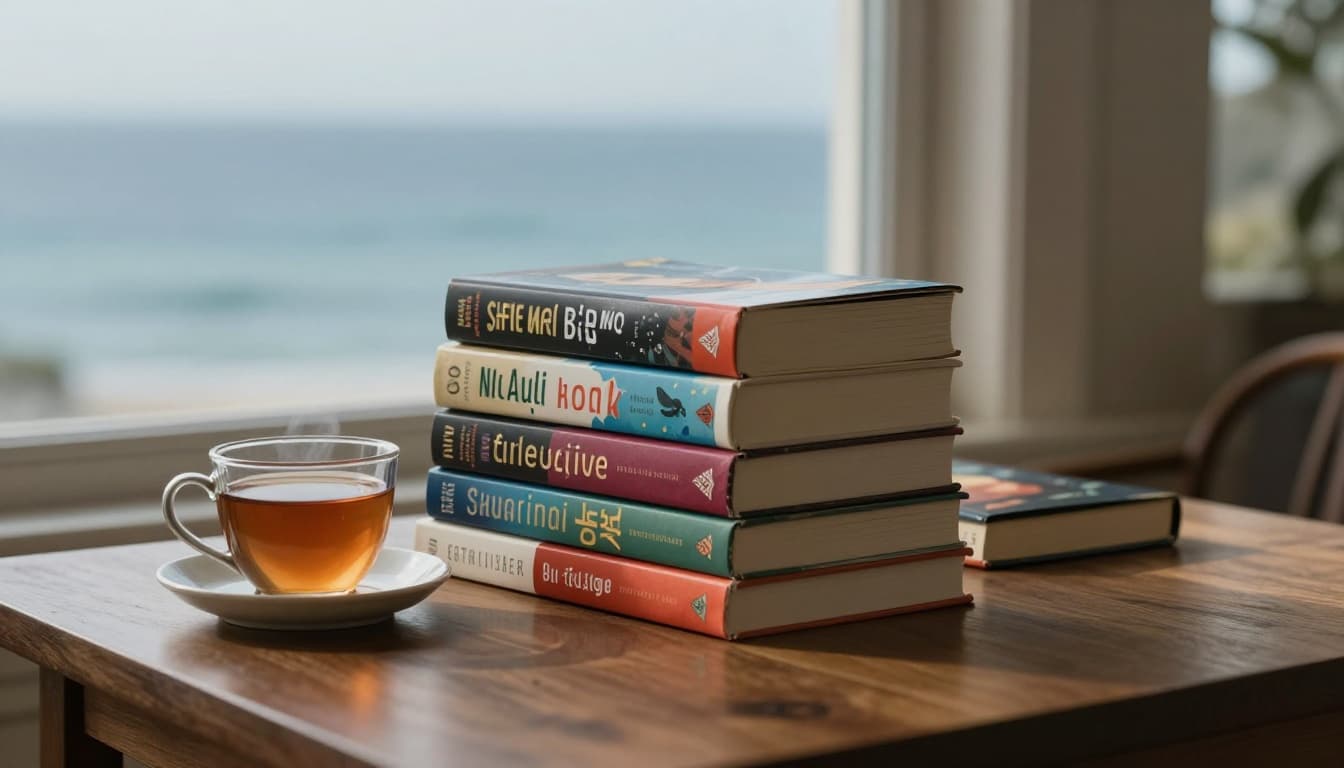 A cozy TBR-by-the-window setup
I pick these books the same way I pick a comfort meal. I start with the vibe. Blurbs help, but I look for signals: is this a midlife reset, a small-town fresh start, a found-family story, a beach town rebuild, a second-chance-at-life setup? If I want lighter, I avoid blurbs that hint at nonstop secrets and betrayal. If I want heavier, I look for grief, estrangement, addiction recovery, or big identity shifts (and I always suggest checking content warnings when you need them).
If you’re also a romance reader, you can widen your options by following trope-based lists, like Romance novels starring Black female protagonists or representation-focused guides such as Finding romance with plus-size main characters. Even when the main category is “romance,” the self-discovery arc can be strong.
For broader browsing, I like seeing what publishers are highlighting, like anticipated women’s fiction coming in 2026, then reading samples to see if the voice works for me.
Quick vibe-check questions I ask before I commit
I ask myself, in plain sentence form: Do I want cozy or intense? Romance-forward or personal-growth-forward? Funny or reflective? Fast plot or deep character work? Also, do I want to read it, or listen to it, because audiobooks can hit differently when the story is emotional.
A starter list of reads with self-discovery at the core
- Woman Down by Colleen Hoover: A January 2026 release centered on a blocked author trying to reclaim her voice and identity under pressure.
- Wild by Cheryl Strayed: A raw, step-by-step rebuilding story, where the outer journey matches the inner one.
- Eat, Pray, Love by Elizabeth Gilbert: A classic reinvention memoir about choosing a new life on purpose.
- All About Love: New Visions by bell hooks: A thoughtful look at love as a practice that reshapes self-worth and relationships.
- Nobody Will Tell You This But Me by Bess Kalb: A funny, tender portrait of family love that also changes how you see yourself.
- Eleanor Oliphant Is Completely Fine by Gail Honeyman: A slow-opening story about loneliness, friendship, and becoming more fully alive.
- The Midnight Library by Matt Haig: Not women’s fiction by label for everyone, but it’s a strong identity-and-regret reset for many readers.
- The Storied Life of A.J. Fikry by Gabrielle Zevin: A warm story where love, grief, and community remake a life from the inside out.
- Big Little Lies by Liane Moriarty: Women untangling identity, marriage, fear, and friendship, with sharp tension and heart.
- Malibu Rising by Taylor Jenkins Reid: Family roles, public image, and self-definition colliding in one long, burning night.
- The Joy Luck Club by Amy Tan: A layered look at mothers and daughters, identity, and the stories we inherit.
- Beach Read by Emily Henry: Romance-forward, but the self-work, grief, and creative rebuilding are the emotionalbackbone.
Frequently Asked Questions About Women’s Fiction About Self-Discovery
1. What counts as women’s fiction about self-discovery?
It’s character-driven fiction where a woman’s inner life leads the story. The plot may include family stress, grief, divorce, a move, burnout, or a big life choice, but the real “engine” is her emotional shift. By the end, she understands herself better and makes different choices, even if life isn’t perfect.
2. How is women’s fiction about self-discovery different from romance?
In women’s fiction, the main relationship is the one she has with herself. Romance can be part of the book, but it isn’t required, and it isn’t always the center of the ending. In romance, the love story is the core plot, and it must end with the couple together in a clear happily ever after (or happy for now). If you’re reading for the couple first, that’s usually romance. If you’re reading for her growth first, that’s usually women’s fiction.
3. Do these books always have a happy ending?
They’re usually hopeful, but not fairy-tale perfect. The win is the heroine gaining clarity, self-respect, peace, or independence, sometimes along with love, sometimes without it. You’ll often get a satisfying emotional landing, even if every problem isn’t wrapped up neatly.
4. What themes show up most in self-discovery women’s fiction?
You’ll see a lot of identity and reinvention, plus the messy parts of real life, like family roles, friendship shifts, marriage pressure, old trauma, caregiving, or starting over after a loss. These stories tend to focus on everyday choices that add up, not big action scenes. A common thread is that nobody “saves” her. Support matters, but she does the hard work herself.
5. Who are some well-known authors that write self-discovery women’s fiction?
Readers often turn to authors known for character-first stories, including Anne Tyler (quiet, emotional turning points in ordinary life) and classics like Alice Walker (growth through voice, resilience, and community). For more contemporary, identity-focused storytelling, Kiley Reid is frequently mentioned for stories that blend personal growth with social pressure and work life.
Conclusion
Women’s fiction about self-discovery matters to me because it’s proof that change can be ordinary and still be brave. It reminds me I’m allowed to grow out of an old version of myself, and I don’t have to wait for a perfect moment to begin. If you’re craving a particular kind of reset right now, fresh start, healing, career change, love-after-loss, I’d love to know. Save this post for later, pick one book from the starter list, and give yourself a quiet night where the only job is turning pages toward hope.


