

Women’s Fiction About Second Chances: Stories That Make Me Believe Again

If I could redo a few moments in my life, I wouldn’t pick the dramatic ones. I’d pick the quiet turning points, the phone call I didn’t return, the job I stayed in too long, the friendship I let fade because I was tired and proud at the same time.
That’s why second-chance stories hit me so hard. They don’t pretend we can rewind time. They say something better: you can’t erase what happened, but you can choose what happens next. Women’s fiction is especially good at that kind of hope because it’s built around emotional change, not just plot fireworks.
In this post, I’m going to keep it spoiler-free and grounded. I’ll define what “second chance” really means in women’s fiction (it’s bigger than romance), break down the ingredients that make these books impossible to put down, then help you pick your next read by mood, whether you want comfort, catharsis, or both.

What a “second chance” really looks like in Women’s Fiction (It’s not always a love story)

A second chance in women’s fiction usually starts with a before-and-after moment. Something breaks open, a marriage, a belief, a family story, a sense of identity, and the heroine decides to try again. Not perfectly. Not all at once. Just honestly.
That’s why I love women’s fiction about second chances even when there’s no big romantic reunion. The emotional center is her life. Romance can show up, and it can be important, but it’s not required to be the whole point. If you ever want a quick way to tell what kind of emotional ride you’re signing up for, I like this clear breakdown of what women’s fiction is, because it explains why growth sits at the center.
When I picture these stories, I see simple objects doing heavy emotional work: a moving box left on a porch, a coffee shop window in a beach town where she watches her old life drift away, a handwritten letter that changes what she thought she knew. Those images feel small, but they carry that big, aching question: Who am I now?
For a broad sampling of the many ways authors handle this theme, I’ve enjoyed browsing lists like Celadon’s books about second chances, because it shows how wide the idea can be.
The most common kinds of second chances, from career resets to family reunions
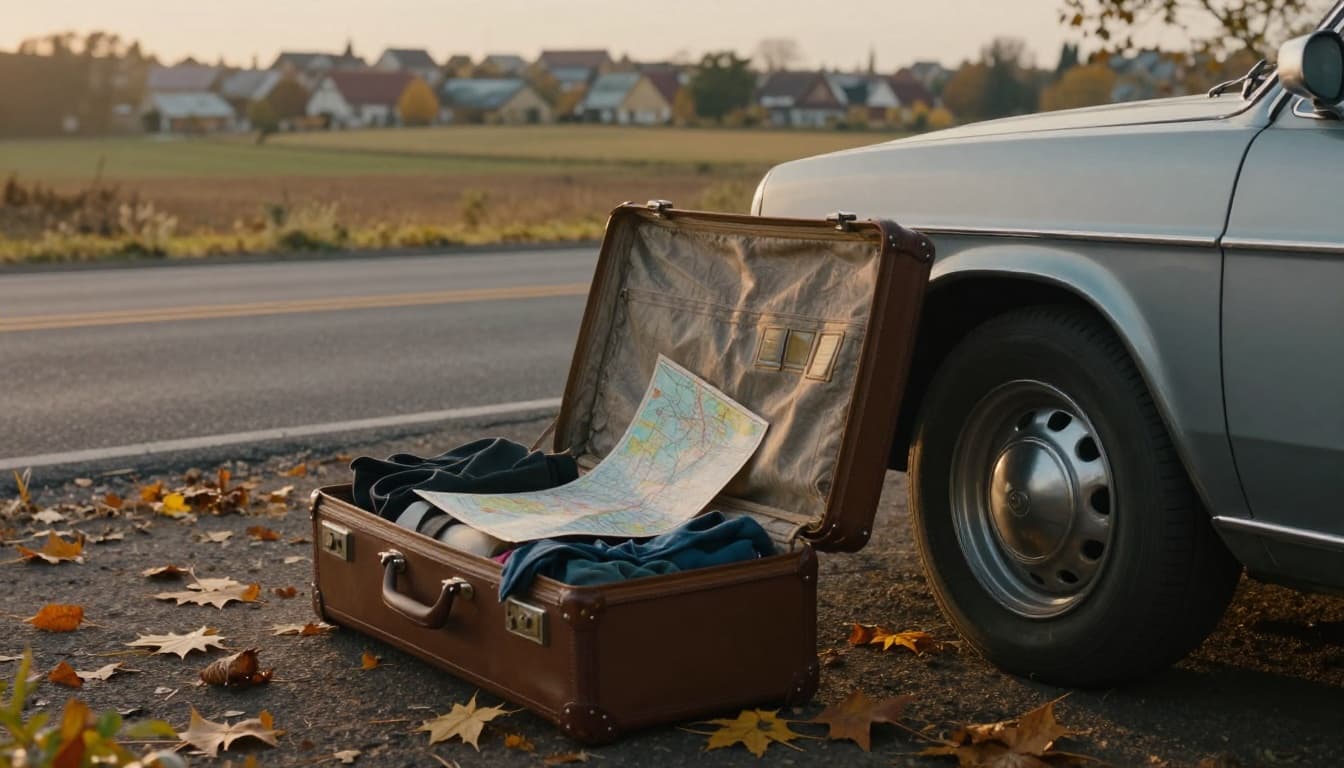
The “second chance” label covers a lot, which is part of the fun. Some books are all about a fresh start in a new town, where a woman rents the apartment above the bakery and learns the rhythm of a new life. Others stay rooted in one place, but the emotional reset is just as big.
Here are the kinds I run into most often (and keep re-reading because they’re addictive):
- Starting over somewhere new: She leaves the city, returns to a hometown, or lands in a coastal community where nobody knows her worst day.
- Rebuilding after divorce or grief: Not a makeover montage, but the slow work of learning to trust her own judgment again.
- Mending a friendship: The kind of reunion where both women have changed, and the apology is imperfect but real.
- Repairing parent-child bonds: Adult children coming home, parents learning new roles, and everyone trying not to repeat old patterns.
- Sobriety or burnout recovery: A second chance at her own mind and body, often with hard-earned boundaries.
- Returning to a childhood dream: She starts the business, applies to school, or finally makes space for the creative life she buried.
- Financial rebuilds: Downsizing, debt, starting over at 40-plus, and finding pride in a life that’s simpler but truer.
- Found-family do-overs: Neighbors, coworkers, book clubs, and unlikely friendships that become the safety net.
When I’m in the mood for stories where love is part of the healing but not the only destination, I find it helps to understand the genre expectations. This post on women’s fiction vs romance lays it out in plain language.
Why these stories feel so satisfying, even when they get messy

Second-chance women’s fiction satisfies me because it offers hope without lying. The heroine doesn’t wake up “fixed.” She backslides, avoids the tough conversation, snaps at someone who doesn’t deserve it, then realizes she has to own her choices. That’s the point. Growth feels earned.
The tension usually comes from inner conflict, not cartoon villains. She’s pulled between the comfort of what she knows and the risk of what she wants. Even when another character acts badly, the real pressure often sits inside her: fear, shame, pride, grief, old loyalty. And when the ending lands, it doesn’t need to be perfect to be powerful. It just needs to be believable. Sometimes closure looks like reconciliation. Sometimes it looks like a boundary. Sometimes it looks like her choosing a new life even though the old one is still calling her name.
If you like looking at theme trends, I’ve found pieces like BookTrib’s second-chance book list helpful for seeing how often “starting over” shows up across different styles of fiction.
Story ingredients that make a second-chance plot impossible to put down

When a second-chance book keeps me up past midnight, it’s usually because the author nails a simple “recipe.”
First, there’s a clear wound from the past, something that still shapes how she reacts. Then there’s a present-day trigger, a move, a death, a job loss, a letter, a reunion, that forces the wound into the light. Next come the stakes, not always life-or-death, but emotionally real: her kid’s stability, her self-respect, her home, her sobriety, her future.
Finally, the story demands a choice that costs something. Not a symbolic choice, a real one. She gives up a version of herself. She stops hiding. She tells the truth, even if it makes her look bad.
This is also where strong heroines matter. Not “perfect” heroines, but narratively strong women who make decisions and carry consequences. I like this breakdown of strong heroine traits in women’s fiction because it names what I often feel as a reader: agency is magnetic.
The “old life” vs “new life” pull, and why it creates great tension

I’m always hooked by that push-pull between who she was and who she might become. The old life offers familiarity, even if it hurt her. The new life offers freedom, but it also asks her to be brave in a way she hasn’t practiced yet. The choices that hit hardest are the believable ones:
She can take the job she had before, or risk starting the small business she secretly wants. She can stay quiet to keep peace, or tell the truth and watch the room change. She can move away for a clean slate, or come home and face what she never finished.
This tension feels even sharper in early 2026 releases and buzz, where a lot of women’s fiction is centering reinvention after divorce, loss, and midlife shifts. I’ve been keeping an eye on “what people are talking about now” lists like Marie Claire’s best novels of 2026 so far to spot which themes are rising.
Side characters who help her heal, not just cheer her on

My favorite second-chance books don’t isolate the heroine in her transformation. They give her people, not perfect people, but present ones. A good friend doesn’t just say, “You’ve got this.” She says, “You keep choosing men who disappear, and you call it bad luck.” A sibling calls her out with love. A neighbor shows up with a spare key and a casserole, then asks the question nobody else will. An older mentor offers practical support, not inspirational speeches.
I also love when authors avoid the “perfect best friend” stereotype. Real friends get jealous. They mess up. They need things too. When the side characters feel fully human, the heroine’s healing feels more grounded, less like a solo victory.
If you’re in the mood for a mix of relationship dynamics and romantic tension patterns (without needing full-on spice), this post on things women love to read in romance fiction is a fun way to name the story beats that often slip into second-chance women’s fiction too.
Themes I see again and again, and how to choose a book that fits my mood
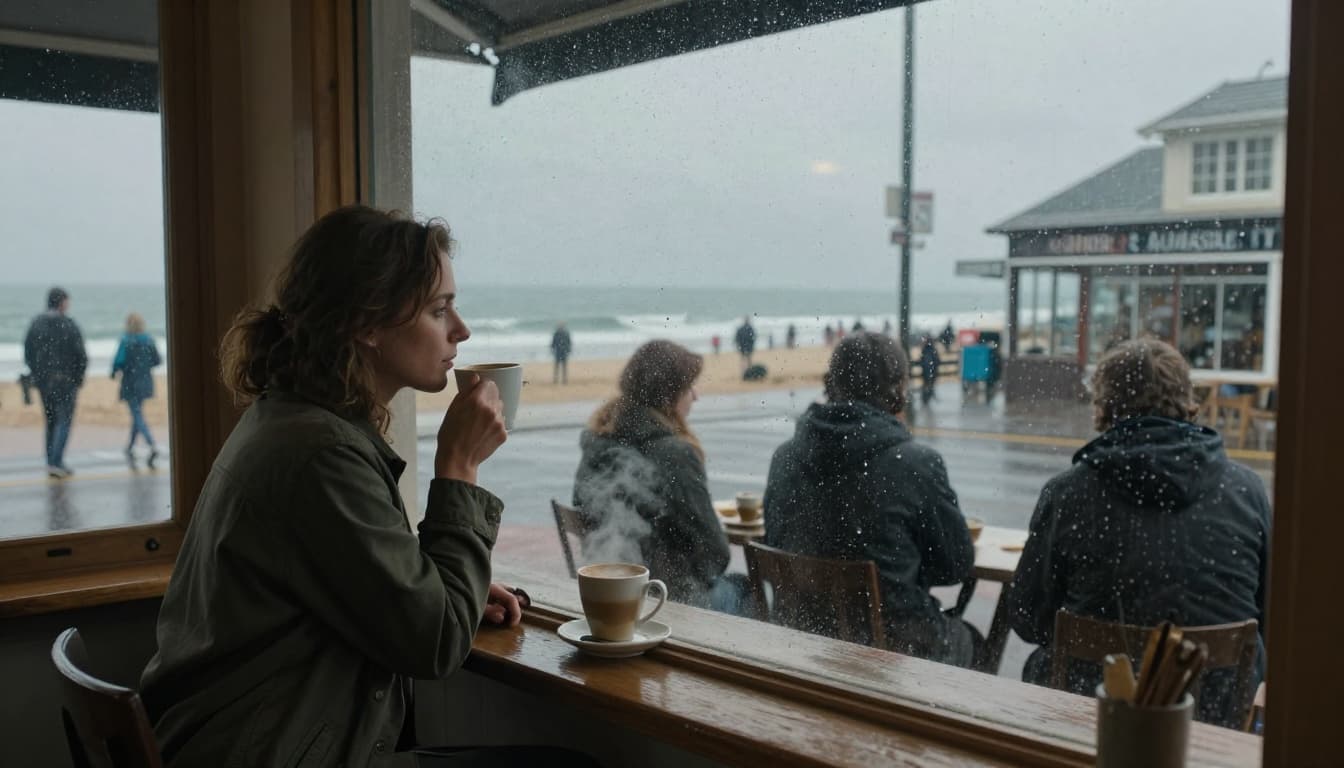
When I’m picking my next second-chance read, I don’t start by asking, “Is this romance or women’s fiction?” I start with, “How do I want to feel when I close the book?” Second-chance themes repeat for a reason: they mirror real life. Forgiveness. Identity. Family roles. Starting over after a public mistake. Learning to trust again. Choosing joy without pretending pain didn’t happen.
If I want inspiration for what’s out there right now, I sometimes scan a big reader-driven list like Goodreads’ second-chance romance shelf. Even when I’m not specifically chasing romance, it helps me spot common setups and popular tropes, then I can look for the women’s fiction-leaning versions.
And if you ever want a tighter definition of what makes a book “women’s fiction” even when love is present, this explanation of women’s fiction vs romance fiction helps set expectations for tone and ending.
If I want a hopeful comfort read, I look for community, routine, and small wins
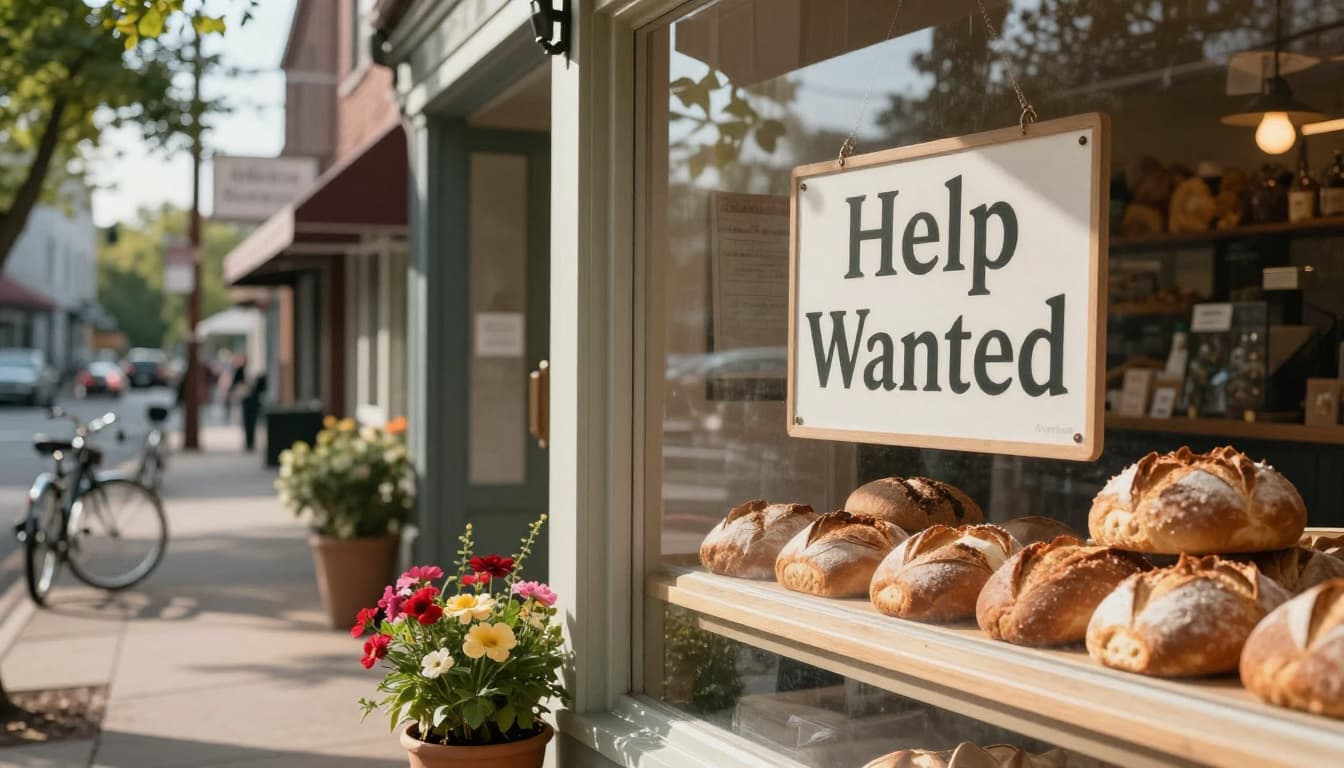
Comfort reads tend to have a steady heartbeat. The problems matter, but the story gives me a sense of safety through place, people, and routine. I often see small-town settings, supportive friend groups, gentle romance, and a lot of “showing up” scenes.
When I’m reading blurbs and reviews, I look for a few signals:
- Community focus: book clubs, neighbors, local traditions, small businesses.
- A manageable scope: personal stakes more than constant crisis.
- Warm side characters: not perfect, but caring and present.
- Visible progress: small wins that stack up (job interview, first honest talk, first boundary held).
- A hopeful tone: even if the middle gets messy.
For that cozy coastal second-chance feeling, I’m drawn to stories like Beachview Starting Over, where the premise itself promises reinvention, a new place, and the past showing up at the worst possible time.
If I want a deeper emotional hit, I choose stories about forgiveness, grief, and hard truths

The heavier second-chance books are still satisfying, maybe even more so, because they don’t rush forgiveness. They let consequences exist. They let people be complicated. In these stories, I expect honest conversations and uncomfortable truths. Sometimes forgiveness happens without reconciliation. Sometimes the heroine learns she can miss someone and still choose distance. Sometimes the “second chance” is not getting someone back, it’s getting herself back.
A quick sensitivity note I give myself: these books often include divorce, death, addiction recovery, trauma, or emotional neglect. I’m not scared of those topics, but I like to know what I’m walking into so I can pick the right week for it. If you want examples of second chances tied closely to grief and rebuilding, premises like A Season of Promise and A New Dawn show how “starting over” can be both tender and gut-punch honest, especially when the heroine is trying to build a life she never planned.
For more theme-driven recommendations across women’s books, I’ve also found essays like Second-Chance Stories at Women Writers, Women’s Books useful for expanding beyond one vibe.
Frequently Asked Questions About Women’s Fiction About Second Chances
1. What counts as “second chances” in women’s fiction?
In women’s fiction, a second chance usually means a woman gets a real do-over after a setback, divorce, loss, burnout, or a big mistake. The story focuses on her inner life, her relationships (romantic and not), and what it takes to rebuild. A second chance can be a restarted career, a move back home, repairing a friendship, becoming a parent in a new way, or opening up to love again after a long time.
2. How is women’s fiction about second chances different from second-chance romance?
Second-chance romance centers the couple and the relationship arc, with the love story as the main engine. Women’s fiction about second chances puts the heroine’s personal growth first, even when there’s a strong romance thread. If the book spends as much time on family, friendships, identity, and healing as it does on romance, you’re often in women’s fiction territory.
3. What themes and tropes show up most in these books?
You’ll often see fresh starts, forgiveness, and learning to trust yourself again. Many stories also lean into community and “home” as a place that changes you (or gives you room to change). Common setups include starting over in a small town, returning to a coastal hometown, rebuilding after a divorce, co-parenting with new rules, caring for aging parents, or facing an old love with new boundaries.
4. Do second-chance stories always involve getting back with an ex?
No. Some are about romantic reunions, but plenty are about second chances with life itself, like choosing a new path, finding purpose, or repairing family ties. Even when an ex is involved, the point usually isn’t nostalgia. It’s whether both people have grown enough to try again in a healthier way.
5. Are these books usually “clean,” or do they include spice?
It varies by author and imprint. Women’s fiction can be closed-door, fade-to-black, or open-door, and you can’t assume the heat level from the “second chance” theme alone. If heat matters to you, check the book’s description, look for reviewer notes, or browse the author’s FAQs and reader guides for tone and content expectations.
Conclusion
Second chances in women’s fiction aren’t about erasing the past. They’re about learning to carry it differently, with steadier hands and clearer eyes. That’s the comfort for me, the idea that a life can be rebuilt without pretending it never broke. If you’re choosing your next read, think about the kind of second chance you want most right now: love, friendship, family, purpose, or simply peace. And if you feel like sharing, tell me the second-chance trope you never get tired of, or the fresh start you reach for when you need to believe again.


