

Women’s Fiction About Fresh Starts: The Stories I Turn to When Life Needs a Reset

I love a story where a woman looks at the life she has, the life she thought she wanted, and quietly admits, “This isn’t working anymore.” Maybe it’s heartbreak. Maybe it’s grief. Maybe it’s divorce, burnout, or that slow, creeping feeling of being stuck in a role that no longer fits. Whatever sparks it, I’m always moved by the moment she chooses a new direction, even if she’s shaking.
When I say women’s fiction about fresh starts, I mean character-driven novels that stay grounded in real emotions. These stories don’t pretend reinvention is easy or tidy. They show consequences, complicated relationships, and those tiny wins that feel like oxygen. The hope is there, but it has to be earned, not pasted on like a sticker.
I also think of this corner of the genre as women’s fiction about second chances, because the best fresh starts aren’t about becoming a new person overnight. They’re about becoming more honest. In this post, I’m sharing what makes these stories feel satisfying, the most common fresh-start setups (and what each one delivers), how I pick my next read based on mood, and how I find more books with the same vibe. If you want a broader list to browse, I’ve also enjoyed seeing roundups like fiction books with fresh starts and new beginnings.

What makes a fresh start story feel real instead of cheesy

Fresh start stories can go wrong fast when they skip the messy middle. If the heroine sells her house on page two, opens a cute shop on page three, and has a perfect new love by page five, I’m out. Real reinvention has weight to it. It leaves a mark.
The stories I trust most give the heroine a clear reason for change. The reason doesn’t have to be dramatic, but it has to feel personal. A betrayal. A layoff. A diagnosis. A grown kid leaving home. A final straw that isn’t huge on paper, but lands like a door slamming in her chest.
Then come the lingering consequences: awkward co-parenting, financial fear, guilt, loneliness, an identity that doesn’t know where to sit anymore. That’s why I love novels that make room for small steps and small wins. A first friend. A first night she sleeps through. A first morning she doesn’t dread. Supportive relationships matter too, but I want them to be human, not magical fixes. A friend can show up with soup and still say the wrong thing. A love interest can be kind and still have limits. A community can be welcoming and still gossip a little.
This is why women’s fiction readers come for the feelings and the growth, not just the plot. It’s also why I think there’s a difference between a clean break and a slow rebuild. Some fresh starts are “new city, new job, new rules.” Others are “same life, but I’m changing how I live inside it.” Both can be powerful, as long as the story stays honest. When I want that coastal, heart-forward kind of honesty, I reach for comfort reads and essays like 10 reasons beach-town fresh-start stories feel therapeutic, because they nail the emotional why.
The moment she chooses herself (and why that is the true turning point)
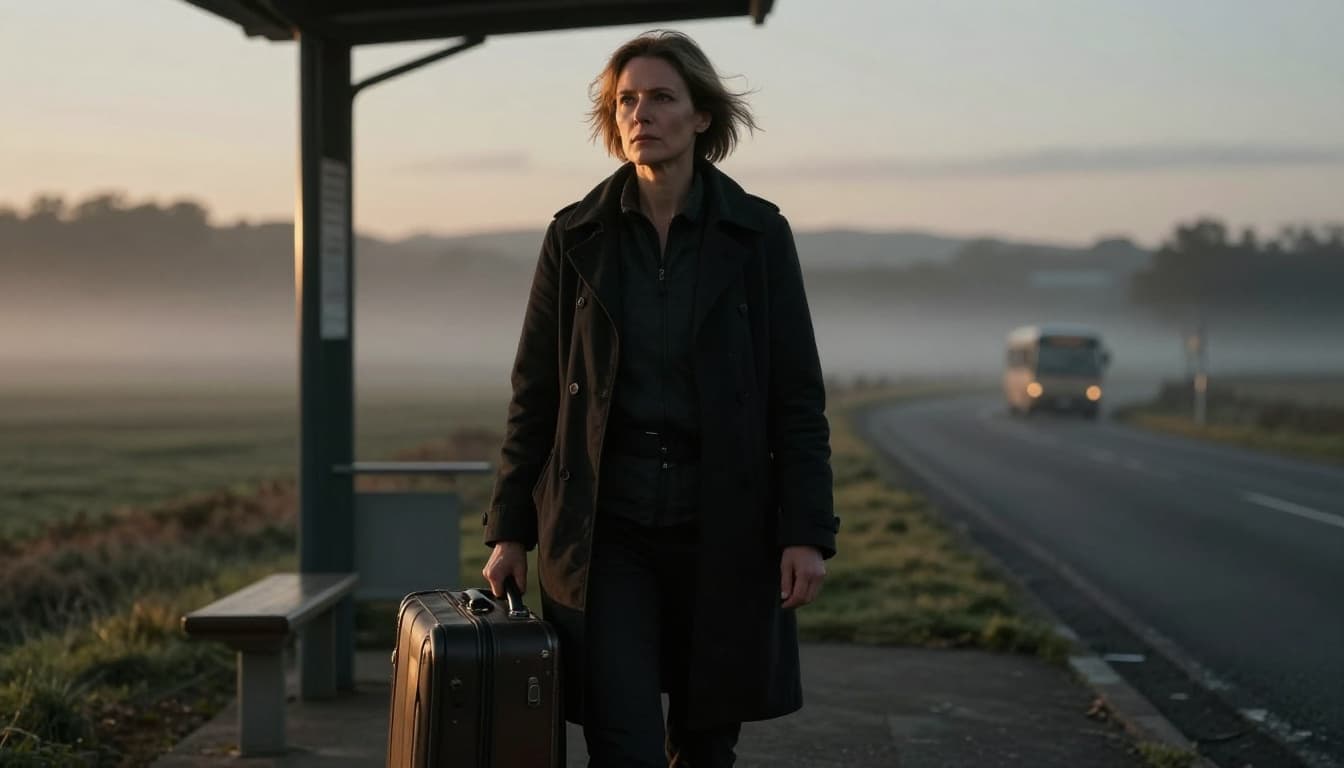
There’s a pivot scene I crave in almost every fresh start book. It’s not the move. It’s not the makeover. It’s the moment she stops negotiating with her own misery and chooses herself. Sometimes it’s loud: she packs a suitcase and leaves while the house is still dark. Sometimes it’s quiet: she sits at the kitchen table, writes one sentence in a notebook, and finally admits she wants more. The turning point isn’t about bravery as a personality trait. It’s about bravery as an action.
A few scenarios that always work on me:
- She calls her sister and says, “I need help,” after months of pretending she’s fine.
- She turns down the “safe” job and takes the one that scares her, because it feels like her.
- She tells the truth in a room where she’s always stayed polite, and the world doesn’t end.
I also love when the story lets that choice come with a cost. Her hands shake. Someone gets angry. She doubts herself the next day. That’s what makes it real.
If you want a book shaped around grief, secrets, and a hard decision to step away from a high-powered life, the setup of A Season of Promise ebook fits that “one brave choice leads to another” feeling. And when I’m picking fresh start reads, I keep an eye on what book people are buzzing about for discussion, since these stories tend to spark great conversations. Lists like Top Book Club Picks for 2026 can be a helpful way to spot titles with that character-first focus.
The comfort factor, cozy settings, familiar rhythms, and hope that earns its place
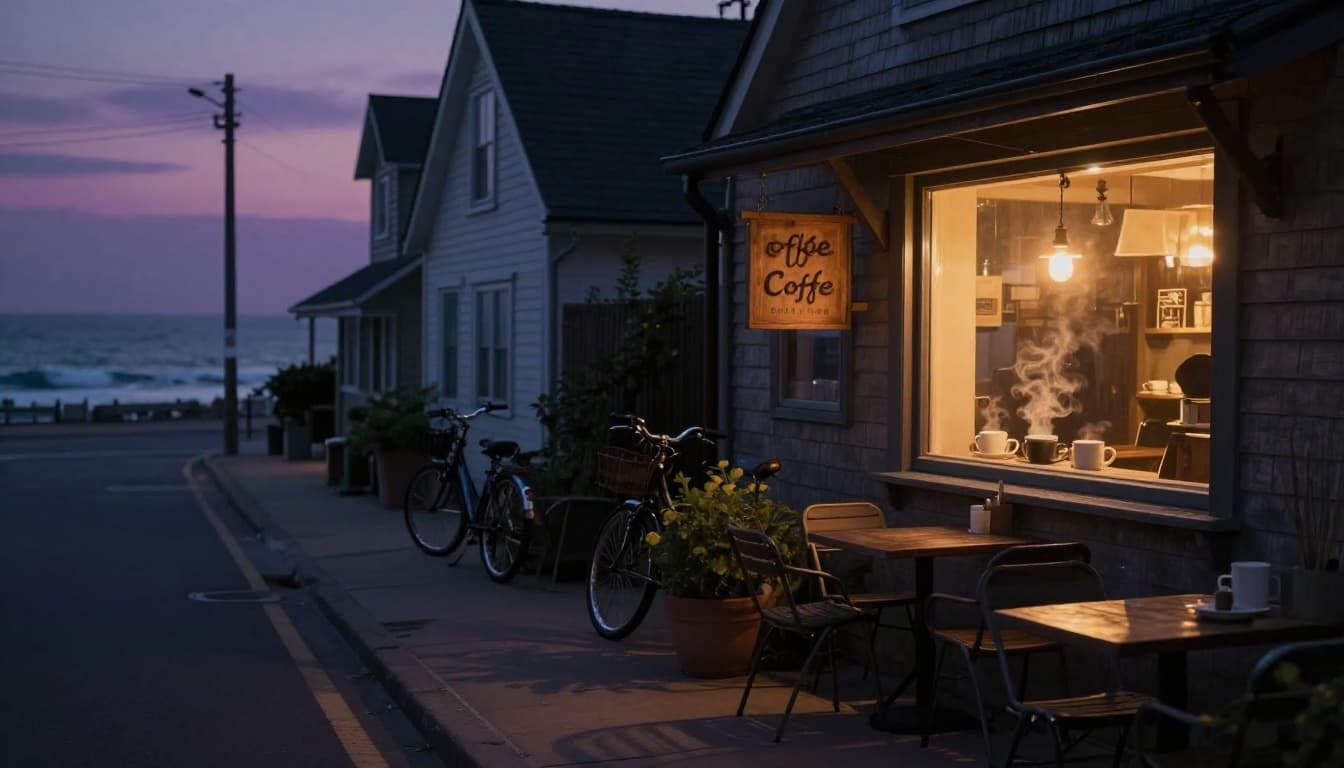
Cozy settings aren’t “fluff” to me, they’re a way to hold heavy topics without breaking the reader. A small coastal town, a bakery with fogged-up windows, a used bookstore with creaky floors, a porch light left on for someone who’s late, these places create a soft container for hard change.
What I love most is when comfort and conflict sit side by side. She can enjoy a cinnamon roll and still dread the lawyer’s call. She can laugh at a town festival and still feel lonely later that night. That mix keeps the hope from feeling fake. Cozy rhythms also give the heroine something to anchor to. The morning coffee run. The same table at the diner. A neighbor who always waters the plants out front. In fresh start fiction, routines aren’t boring. They’re a ladder out of the pit.
And found family is a big part of the comfort factor. Not the “everyone instantly adores her” version, but the slow-burn belonging that grows through awkward conversations, small favors, and showing up. If you enjoy stories where family fractures and then has a chance to reshape, Beachview Summer Guest ebook taps into that “return, repair, try again” energy, with the kind of island community that makes emotional healing feel possible.
Fresh start plot types I reach for, and what each one delivers

When I’m in a fresh start mood, I’m not always looking for the same thing. Sometimes I want a deep, private rebuild. Other times I want a plot that feels like opening windows in a stuffy room. The setup matters because it promises a certain kind of emotional payoff.
Here are the fresh start story types I reach for most often, and what I expect from each:
- Relocation and reinvention: A clean slate feeling, plus a new community that challenges her old habits.
- Career shift or passion project: Competence glow-up, purpose, and the satisfaction of watching her build something real.
- Family reset: Forgiveness arcs, boundary-setting, and the complicated work of loving people without losing yourself.
- Romance as support: Love that grows in the background while she becomes more herself, not less.
I also pay attention to how the market is talking about women’s fiction right now. In February 2026, librarian picks and previews are still highlighting stories centered on identity, family bonds, motherhood, and personal growth, which pair naturally with “starting over” themes. If you like tracking what’s coming, industry previews like Publishers Weekly’s Spring 2026 fiction preview can give you a sense of what kinds of emotional arcs publishers think readers are hungry for.
Starting over in a new place, small towns, coastal escapes, and “I can breathe again” moves

Relocation stories work because setting is never just scenery. The new place becomes an emotional mirror. A busy woman moves somewhere quiet and suddenly hears her own thoughts. A people-pleaser arrives in a town where nobody cares about her résumé, and she has to figure out who she is without it.
I love the classic setups: she rents a tiny cottage for the summer, inherits a house she didn’t expect, takes a seasonal job, or accepts a residency that forces her to slow down. The move doesn’t solve anything, but it creates space, and sometimes space is the first form of healing.
Community is the secret sauce here. In the best versions, the town doesn’t just welcome her. It challenges her. She has to show up. She has to risk being known. And if she’s running from shame, grief, or exhaustion, that’s not easy.
If you enjoy a divorce-to-rebuild arc set in a place where everyone notices everything (for better and worse), the premise of The Beach Cottage is a strong example of the “move, breathe, then face the past” structure. And when I want more general “women start over” essays to match my mood, I’ve bookmarked reflections like When Women Start Over, Everything Changes, because it captures why these stories feel personal even when they’re fictional.
Second chance love, when romance supports the rebuild instead of replacing it

I like romance in women’s fiction best when it doesn’t take over the fresh start. The core story is still hers. Love can be a catalyst, but it can’t be the cure.
My favorite second chance love arcs have patience in them. An old flame shows up and she doesn’t melt instantly. A new love interest is kind, but she still chooses therapy, sobriety, or a career change, even if it threatens the relationship. A single parent starts dating again and the story respects how complicated that is, especially when trust has been broken before.
There’s also something deeply satisfying about romance that’s built on practical support: someone who helps her move a couch, watches the kids for an hour, shows up to her first event, or simply listens without fixing. That kind of love reads as steady, not flashy. I also think “second chance love” hits harder when the heroine has stronger boundaries than she did at the start. She doesn’t just get chosen. She chooses, and she does it with clear eyes.
If you’re drawn to cozy women’s fiction where community life (and even town events) become part of the healing, I’m keeping an eye on upcoming reads because that “everyone gathers, tensions rise, hearts soften” setup is a reliable comfort recipe. For a broader view of what people are stacking on their 2026 reading lists, roundups like 100 best new 2026 books can also be a fun way to spot new women’s fiction that might scratch the fresh start itch.
How I pick my next read when I want a fresh start vibe
When I’m choosing a fresh start book, I start with mood, not tropes. I want the story to meet me where I am. If I’m tired, I go for cozy and gentle. I want a safe setting, kind side characters, and the sense that tomorrow might be better than today. If I’m feeling raw, I choose messy and honest. Give me complicated family dynamics, real grief, and growth that comes with setbacks.
If I need relief, I look for funny and hopeful, the kind of book that lets the heroine be a little ridiculous while she rebuilds. And when I’m in a heavier season, I’m open to darker but healing stories, as long as the ending doesn’t leave me stranded. I also scan blurbs and reviews for a handful of signals: “new beginnings,” “reinvention,” “found family,” “starting over,” “returns home,” “second chance.” Not because I’m trying to read a formula, but because these phrases hint at what the emotional engine will be.
One more thing I do: I ask whether the book seems book club friendly. Fresh start stories often crack open big questions about identity, marriage, parenthood, ambition, and what “home” even means. That’s where the staying power comes from.
A quick checklist: the tropes and themes I look for in the blurb
I don’t love strict rules for reading, but I do have a few green flags that almost always work for me:
- A believable trigger for change (divorce, grief, burnout, job loss, an empty nest, a secret revealed).
- A supportive side cast that feels human, not perfect.
- Meaningful work or a creative outlet that helps her rebuild confidence.
- A place that feels safe, even if it’s imperfect.
- A goal with stakes, something she might fail at.
- Emotional honesty, including backslides and bad days.
- A hopeful ending, not necessarily a perfect one.
If you like the idea of community gathered around a warm, familiar place (like a bakery), Beachview Stories and Scones has that “shared recipes, shared secrets, shared second chances” promise that makes me want to clear my weekend. And if you want a steady stream of book club possibilities for the year, I’ll sometimes cross-check my TBR with lists like Top Book Club Picks for 2026 and then filter based on tone.
Book club friendly questions I ask while I read (so the story sticks with me)
When I’m reading women’s fiction about fresh starts, I like questions that are simple, but sharp. Here are the ones I come back to:
- What did she believe about herself at the start, and who taught her that?
- What’s the real “fresh start,” the move, or the internal shift?
- Where does she confuse comfort with safety, and how does that change?
- What boundary does she set that would’ve felt impossible in chapter one?
- Who becomes her chosen family, and why do they matter?
- What does she forgive, and what does she decide not to forgive?
- What does “home” mean by the end of the story?
- What small win felt bigger than the big win, and why?
Those questions help me remember the book long after I close it. They also help me notice how the author built that earned hope, step by step, instead of rushing to a shiny ending.
Frequently Asked Questions About Women’s Fiction About Fresh Starts
1. What counts as women’s fiction about a fresh start?
It’s character-driven fiction where a woman rebuilds her life after a shift, a breakup, grief, burnout, an empty nest, a job change, a move, or a long-held secret coming out. The “fresh start” can be big (starting over in a new town) or quiet (learning to trust again). Romance can be part of the story, but the main focus is usually her growth, relationships, and choices, not only the love plot.
2. How is women’s fiction about fresh starts different from romance?
In romance, the central story is the couple, and the ending is typically a committed, hopeful outcome for them. In women’s fiction, the central story is the heroine’s life, including family, friends, work, health, identity, and love (if it’s there). A fresh-start women’s fiction book might end with a relationship, but it can also end with a new job, a healthier boundary, a repaired friendship, or peace after loss.
3. What themes and tropes show up most often in fresh-start stories?
You’ll see settings and situations that make change feel possible, without making it easy. Small towns and close communities are common because they create built-in connections and conflict.
Fresh-start women’s fiction often includes themes like second chances, found family, self-respect, forgiveness (sometimes without reconciliation), starting over later in life, and choosing a new path. You’ll also run into plot hooks like returning home, opening a small business, inheriting a house, caretaking for a parent, co-parenting after divorce, or a life reset after a health scare.
4. Are these books usually “clean,” or do they include spicy scenes?
It depends on the author and imprint, so it’s smart to check the book description, content notes, or a preview. Women’s fiction about fresh starts can range from closed-door romance to explicit scenes, and many books focus more on emotional intimacy than on-page sex. If you prefer lower heat, look for cues like “sweet romance,” “closed-door,” or “clean and wholesome.” If you want more heat, reviews often mention that too.
5. What should I read if I want a cozy vibe with real emotions?
Look for books set in coastal towns, islands, lake communities, or tight-knit neighborhoods, places where friendships and community matter. A cozy fresh-start story usually keeps the tone hopeful, even when the heroine’s dealing with tough stuff. You’ll get comfort elements (warm side characters, food, small businesses, local events) plus an emotional arc that feels earned. If you like women’s fiction that blends love, family, and second chances, you’ll probably enjoy authors who write small-town contemporary women’s fiction alongside romance.
Conclusion
Fresh starts can be loud, but they’re often quiet, a new routine, a hard conversation, a hand reached out for help. That’s why I keep coming back to these books. They remind me that change doesn’t have to be perfect to be powerful.
If you love women’s fiction about second chances, I’d love to know what kind you reach for most, the big move, the career pivot, the found family, or the slow-burn love that supports the rebuild. Share your favorites in the comments, and tell me what you’re craving next, comfort, honesty, laughter, or a deeper healing read.


