

Women’s Fiction Themes Readers Expect (Heart and Healing)

When I pick up women’s fiction, I’m usually looking for the same thing I look for in a good friend, which is honesty, warmth, and a little light left on when life gets hard. To me, “heart and healing” means the story doesn’t pretend pain is simple, but it also doesn’t leave me stranded in it. Hard things happen, real consequences land, and by the last page I feel steadier than I did at the start.
It’s also why people searching for the best women’s fiction books often aren’t chasing plot fireworks, they’re chasing an emotional aftertaste: comfort, courage, and believable hope. These themes overlap a lot, and not every book uses all of them.

What I mean by “heart and healing”, and what readers usually want to feel by the last page
Women’s fiction has an “emotional contract” I can feel right away: character first, inner change matters, and the ending aims for forward motion even if life stays imperfect. If you want the clearest genre baseline, I like revisiting What Is Women’s Fiction? My Clear Guide for Readers and then zooming in on the common confusion in Is Women’s Fiction Romance? The Simple Answer.
Here’s what I expect most of the time:
- Emotionally satisfying ending: not always tidy, but earned
- Meaningful relationships: family, friends, community, or all three
- Honest consequences: choices cost something
- Growth that feels earned: change takes time
Romance can be present or not, and either way the “healing” usually lives inside the heroine. For a romance-leaning definition of the comfort vibe, I sometimes point friends to this healing and comfort trope guide.
The “emotional arc” readers expect, even when the plot is quiet

Even “quiet” women’s fiction tends to follow a recognizable arc: a wound or fear, a turning point, support systems, setbacks, a brave choice, then a new way forward. Healing can look small on the outside but huge on the inside, like setting a boundary, leaving a toxic job, forgiving herself, or rebuilding trust one honest conversation at a time.
When I want to understand why some heroines feel so real, I think about agency and voice, the kind of traits described in 13 Character Traits About Strong Heroines In Women’s Fiction and the bigger-picture examples in 15 Strong Heroines Who Define Modern Women’s Fiction.
Women’s fiction and romance can overlap, but the focus feels different
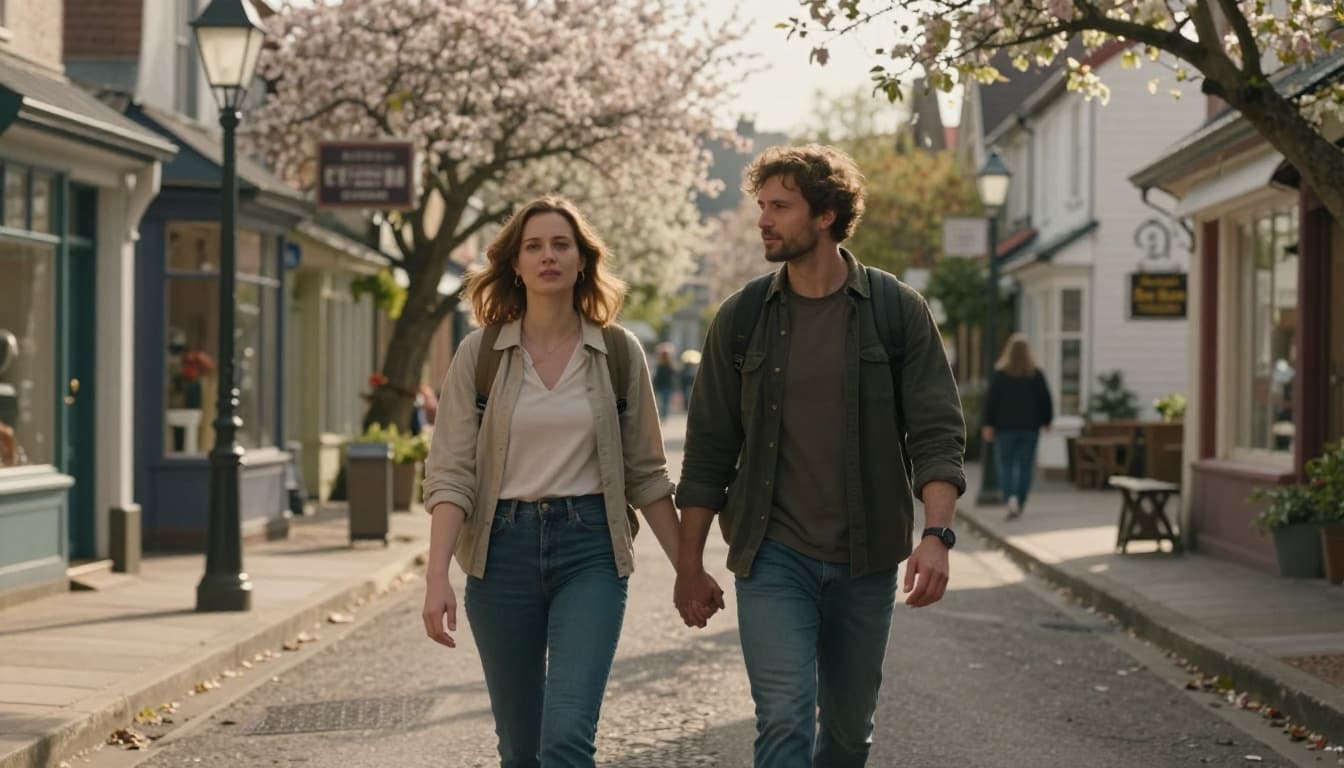 Romance in frame, but the heroine leads
Some books are love stories and life stories at once. The difference is where the emotional center sits. If I removed the romance, would the book still “work” as a complete journey? That question usually points me toward women’s fiction.
If you like clean, no-drama clarity, these help: Women’s Fiction vs Romance Fiction: What’s the Difference and Why and Women’s Fiction vs Romance: What’s the Real Difference?. I also keep Women’s Fiction vs Romance: What’s the Real Difference? in mind when I’m reading cross-genre blurbs that promise everything.
The core themes readers expect when they want comfort, courage, and real change
When these themes hit, they’re comforting because they’re specific. They show up again and again in the stories people call the best women’s fiction books, because the hope feels lived-in, not pasted on.
If you want a bigger map of recurring patterns, I recommend Women’s Fiction Themes and Tropes: The Emotional Patterns Readers Love. And if you’re deciding between shelves based on your mood, Women’s Fiction vs Romance: What’s the Real Difference? helps me sort what kind of ending I’m really craving.
Women’s fiction about second chances, when “try again” feels brave, not easy
 Starting over with history in the doorway
Second chances work when accountability is real: changed behavior, honest regret, and a cost paid on the page. That can mean trying again in love, career, family, or self-trust. In 2026, I’m seeing a lot of “past returns” energy, like Laura Dave’s The First Time I Saw Him as a setup that puts old choices back on the table.
When I want second-chance romance elements, I also like spotting them through a romance lens in 13 Things Women Love To Read About In Romance Fiction.
Women’s fiction about fresh starts, the comforting power of a new place or new plan
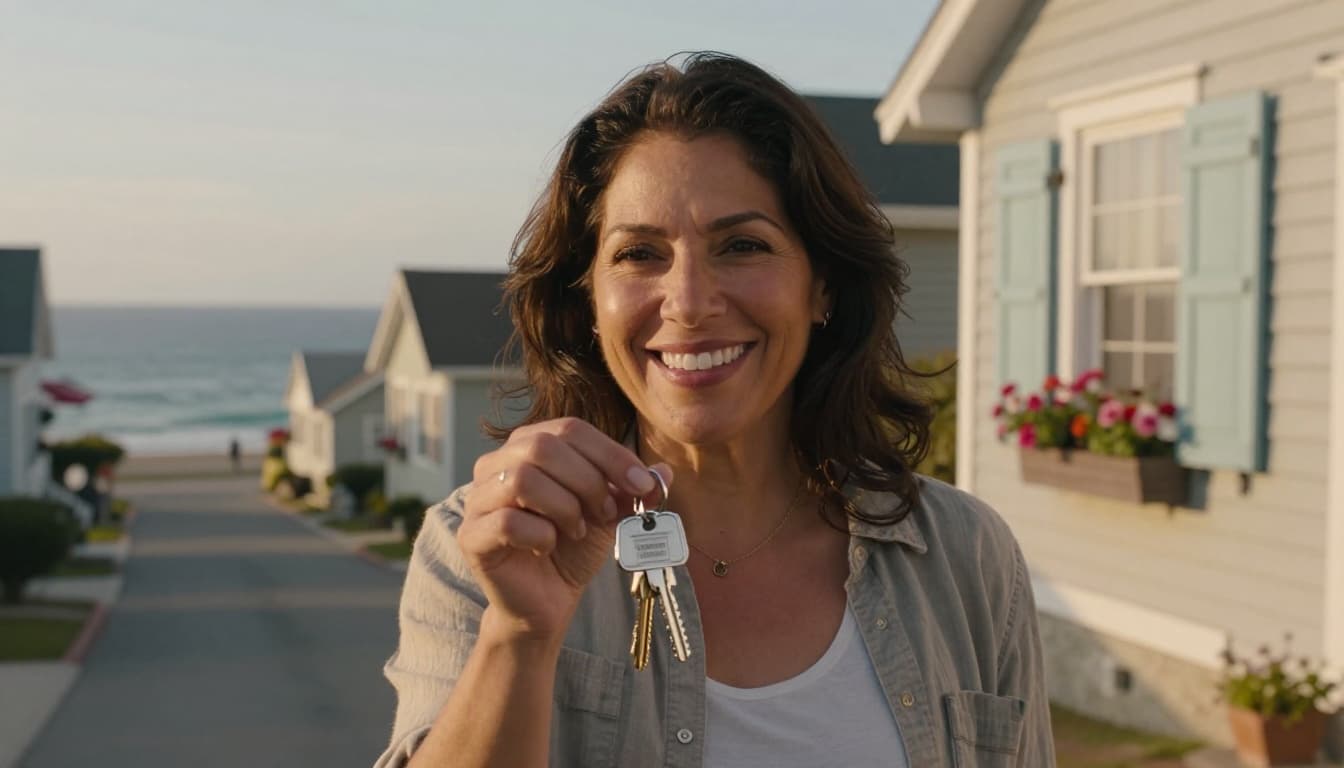 That first deep breath of a new chapter
Fresh starts hit me because they mix excitement with fear. The heroine may be leaving burnout, an empty nest, a loss, or a version of herself that doesn’t fit anymore. Community usually matters here, the helpful neighbor, the new friend, the small town that notices.
A 2026 “move and reinvent” vibe shows up in titles like The Divining Season. And when the tone is lighter, I use Women’s Fiction vs Romantic Comedy: How I Tell Romcom and Women’s Fiction Apart to figure out if I want laughs-first or reflection-first.
Women’s fiction about self-discovery, when the biggest love story is learning who I am
 Quiet clarity and brave steps,
Self-discovery stories satisfy me when the heroine’s growth shows up in small choices: honest self-talk, new boundaries, a “no” that sticks, a desire she finally admits. The best versions don’t magically fix her life, they build a new normal she can actually live in.
If you’ve ever wondered how this differs from older, lighter branding, Women’s Fiction vs Chick Lit: What Readers Mean Today (and What Publishers Think) can help.
Relationship-centered themes that make the healing feel real, not just inspirational
Relationship healing is where women’s fiction can feel almost physical to me, like a hand on my back. It’s friends, sisters, mothers, partners, chosen community, and the messy truth that love can be imperfect and still worth fighting for.
For genre sorting when romance is present but not “the point,” I like Women’s Fiction vs Clean Romance: How to Tell the Difference. And when I’m in the mood for strong heroines in love stories specifically, I keep Best Romance Books With Strong Female Leads (Favorites and Why They Work) nearby.
Women’s fiction about friendship and sisterhood, the safe place to land
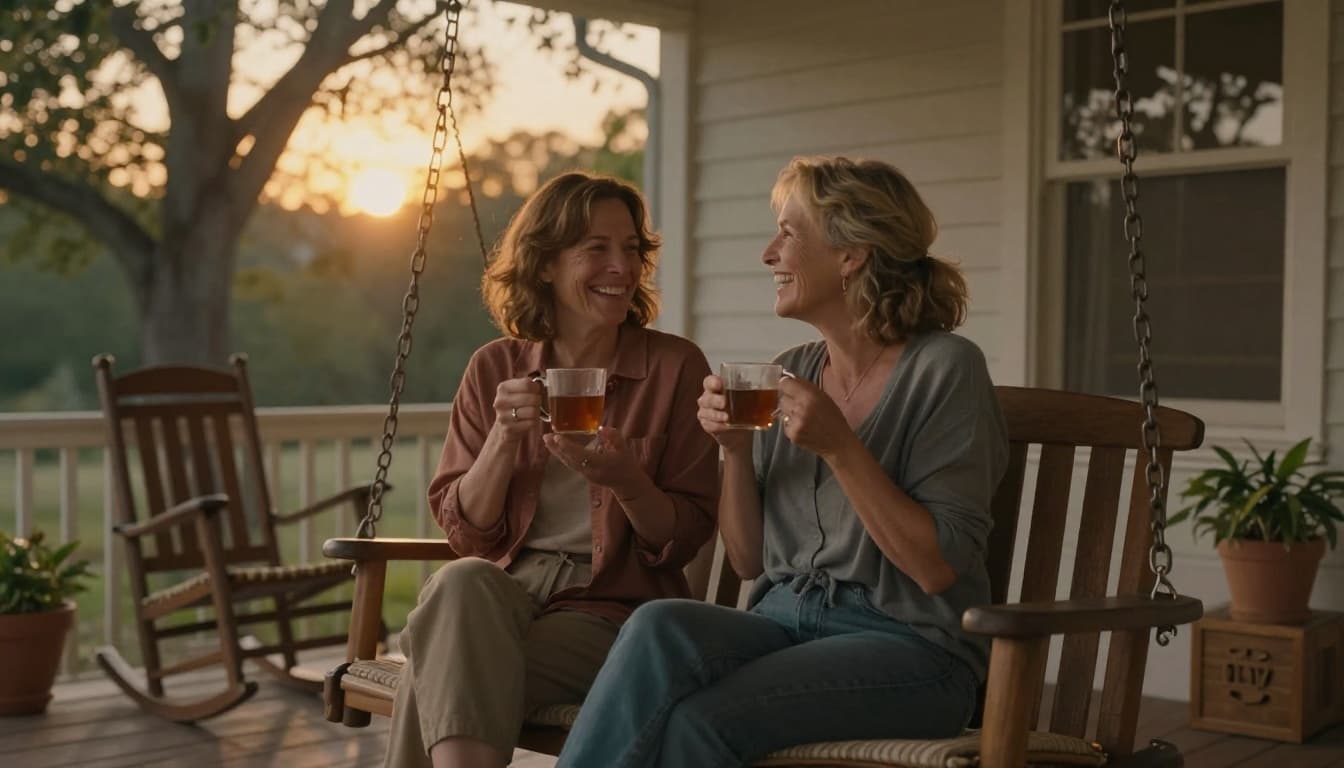 The kind of friendship that holds you up
Friendship is often the real support system, the mirror, the gentle truth-teller. Sisterhood can add history, rivalry, loyalty, and repair. In 2026, stories like Naima Coster’s Take What You Can are showing evolving friendship through motherhood and shifting identity.
If you want more romance-forward versions of this vibe, I like Romance Books With Strong Independent Female Protagonists.
Women’s fiction about mother-daughter relationships, love with sharp edges and deep roots
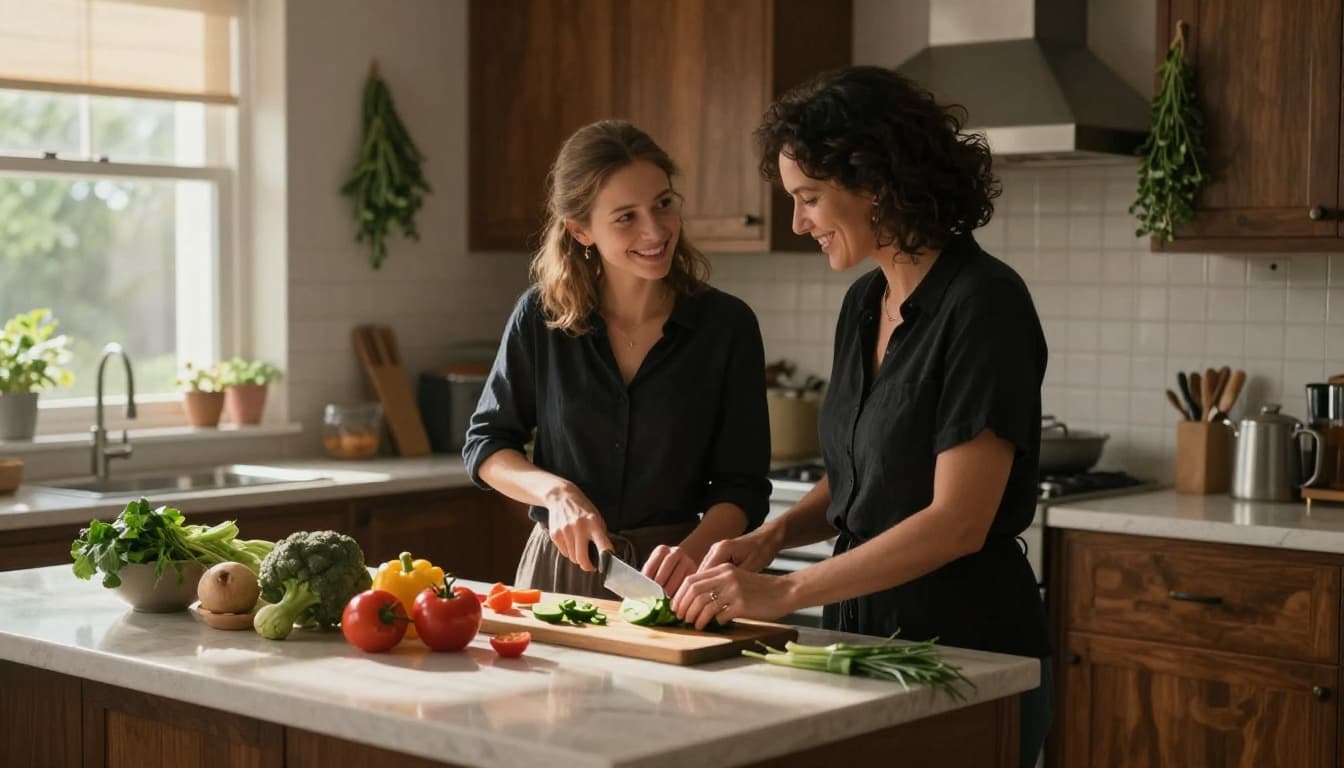 Repair can look like everyday closeness
These stories often deal with unmet needs, caretaking roles, and generational patterns. Healing can mean closeness, or it can mean healthier distance. In current 2026 conversations, titles like We Inherit the Fire and Bitter Honey signal mother-daughter and legacy-focused tension without easy answers.
When I’m thinking about story roles, I find it useful to clarify character language with What is A Heroine in A Novel, Really? and What’s The Difference Between A Heroine And A Protagonist?.
Women’s fiction about marriage and divorce, when “happily ever after” becomes “now what?”
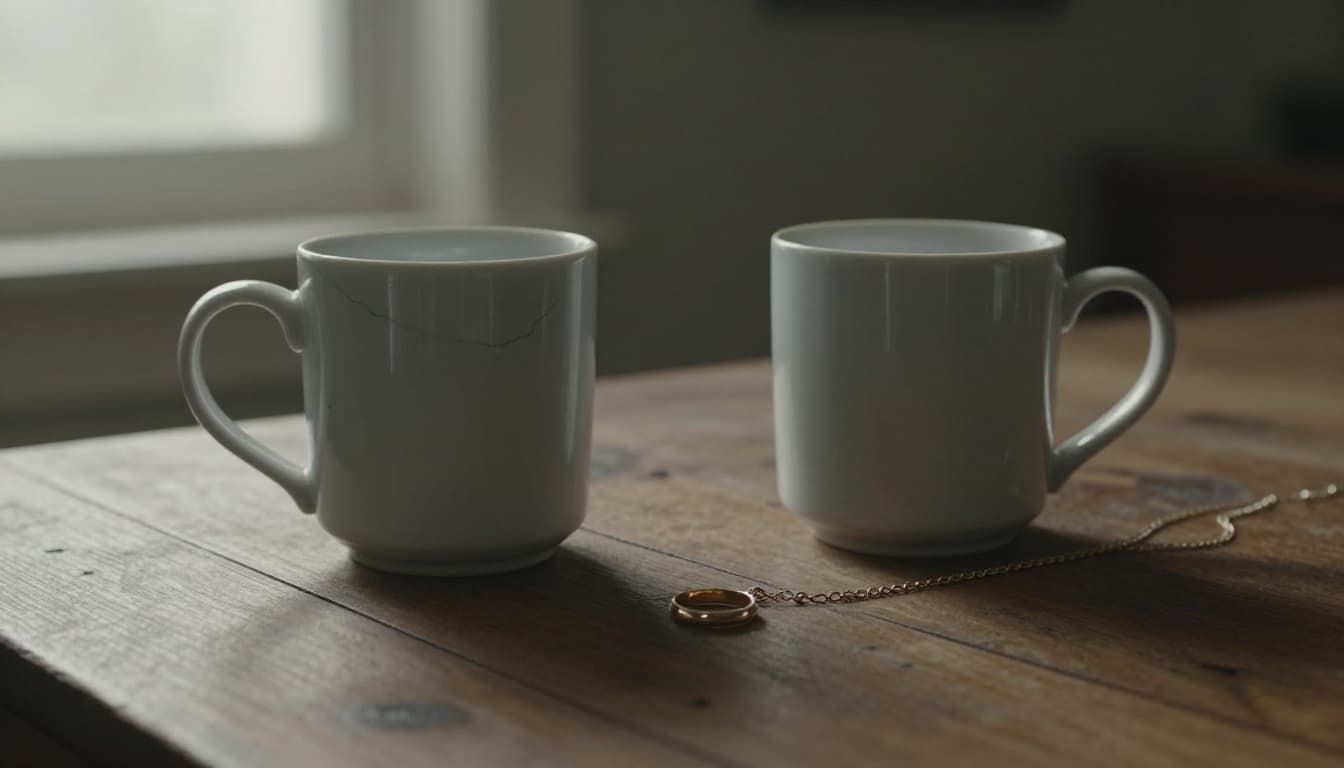 Distance and longing in ordinary objects
Long-term love comes with resentment, miscommunication, duty, tenderness, and sometimes a breaking point. What I want as a reader is emotional honesty and dignity, even when someone is clearly wrong. The most satisfying versions don’t rush the paperwork or the forgiveness.
For character craft clarity, I also like What is A Heroine in A Novel, Really? as a reminder that a heroine can be messy and still worth following.
Hard-won healing themes that leave me hopeful, not sugarcoated
Some of the most powerful women’s fiction themes are the ones that move slowly. Grief, forgiveness, and growth take time, and I can always tell when a story tries to sprint past them.
If you’re still sorting labels (especially when romance is a strong subplot), Is Women’s Fiction Romance? The Simple Answer is the cleanest quick check I’ve found.
Women’s fiction about grief and healing, when the story makes room for loss and love at once
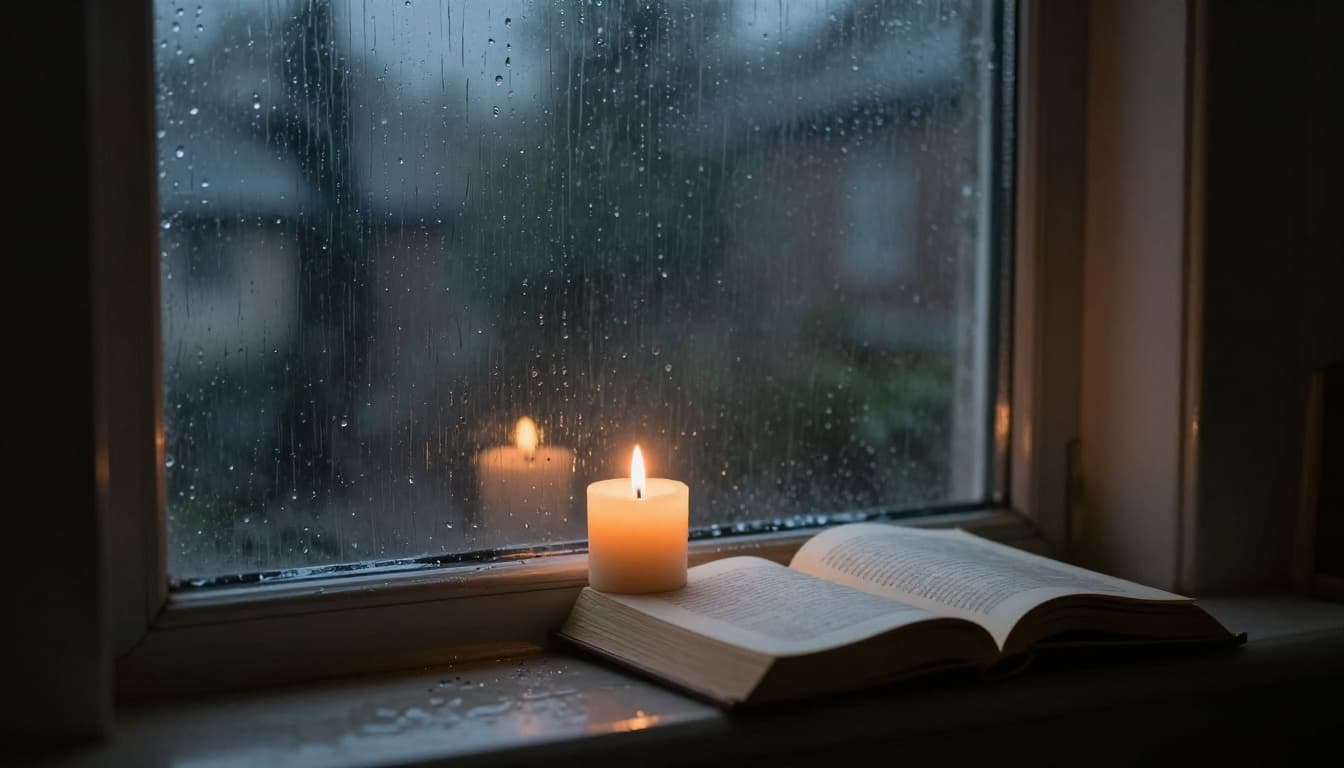 Grief, warmth, and waiting for the storm to pass
Healthy grief on the page comes in waves: triggers, anniversaries, and surprise moments of light. Healing can be ritual, community, therapy, creativity, or simply naming what happened. In 2026, I’m seeing intergenerational trauma threads in books like The Divining Season, and painful-past processing in We Inherit the Fire.
When I’m choosing a grief-centered read, I also like browsing lists such as novels readers say felt healing to see what emotional tone people responded to.
Women’s fiction about found family, forgiveness and growth, the choice to build something better

Found family is belonging that’s earned, not inherited. Forgiveness isn’t excusing, it’s deciding what you carry forward. Growth is new patterns that actually stick.
What I hope to see (and what makes it satisfying):
- Honest apologies
- Changed behavior
- Self-forgiveness
- A future that feels earned
In 2026 examples, Take What You Can gives found-family energy, while Bitter Honey points toward forgiveness threads without pretending it’s simple.
Frequently Asked Questions About Women’s Fiction Themes Readers Expect (Heart and Healing)
1. What themes do readers expect in heart-and-healing women’s fiction?
Most readers come for emotional growth and leave wanting hope. Heart-and-healing women’s fiction usually centers a woman in a hard season, grief, betrayal, divorce, burnout, caregiving, or a life shift, and follows how she rebuilds from the inside out.
The “heart” part is the honest feeling on the page, the messy middle, the love that doesn’t fix everything, but still matters. The “healing” part is forward motion, even if it’s slow. Readers typically expect an ending that feels earned and uplifting, not perfect, and not grim.
2. How much romance should a heart-and-healing women’s fiction story include?
Often, romance is welcome, but readers usually expect it to be supporting, not driving. The main love story is the heroine learning to trust herself again, set boundaries, or choose a healthier life.
A romantic thread tends to work best when it adds warmth and tension without solving the core problem for her. Many readers also love a “fresh start” relationship that grows alongside the heroine’s healing, especially in small-town or coastal settings where community plays a real role.
3. What kinds of relationships matter most in these stories (besides the love interest)?
Readers often expect healing to happen through relationships that feel lived-in, especially friendship, sisterhood, and “found family.” Those bonds can be the safety net when life falls apart, or the mirror that tells the truth when a character is stuck.
Family stories also show up a lot, including mother-daughter conflict, old resentments, caregiving stress, and long-held secrets. The payoff readers want is a shift toward honesty, softer edges, or a new way of loving, even if everyone doesn’t get a tidy reunion.
4. Are there any newer trends readers are asking for right now in women’s fiction?
One strong current trend is intergenerational healing, where mothers, daughters, and grandmothers untangle old wounds across time. Another is reclaiming power after a tough season, sometimes with a light mystery thread, a “starting over” move, or a return to a meaningful place.
Recent and upcoming women’s fiction also leans into deep friendship stories, grief and identity work, and community-based comfort reads. For example, upcoming titles highlighted in current publishing coverage include Where the Wildflowers Grow by Terah Shelton Harris (healing after tragedy in a community setting) and Kin by Tayari Jones (lifelong friends reuniting after loss), both pointing to how much readers still want connection plus growth.
5. Do heart-and-healing books need heavy trauma to feel meaningful?
No. Readers want emotional truth, not maximum pain. A story can feel powerful with quieter stakes, loneliness, a friendship breakup, a parent’s decline, or the ache of not being seen.
What matters is that the character’s struggle feels real, and the healing feels specific. Small changes can land hard, making the phone call you’ve avoided, asking for help, admitting what you want, or letting go of a version of life that isn’t working anymore.
Conclusion: how I choose my next heart-and-healing read
When I’m scanning blurbs, I use a quick gut-check:
- Theme cues: second chance, fresh start, grief, friendship, family secrets
- Character problem vs plot problem: is the core tension internal change?
- Relationship focus: community and family matter, not just a couple
- Ending tone: forward motion, not perfection
That’s what I look for when I’m hunting the best women’s fiction books for my mood. If you want, tell me the theme you love most, and what kind of healing you want from a story right now: comfort, catharsis, laughter, or closure.


