

Women’s Fiction vs Chick Lit: What Readers Mean Today (and What to Pick Next)

“Are your books chick lit or women’s fiction?” I get a version of that question a lot, and I get why. Both types of stories often center women, relationships, and everyday life, so the line can look blurry from a distance.
Up close, they can feel very different in your hands, like choosing between a fizzy mocktail and a mug of tea. Both are great, but they hit different parts of your mood.
Also, “chick lit” is an older label, and many readers and writers avoid it now, even though the style and reading experience absolutely still exist. Here’s my plain-language way to tell the difference, plus a quick guide to help you pick your next read.

Women’s Fiction vs Chick Lit: The Simplest Difference in Tone and Focus

If I’m explaining women’s fiction vs chick lit to a friend, I keep it simple: chick lit tends to be lighter and more romance-forward, women’s fiction tends to be more reflective and growth-forward. They can overlap, but the “center of gravity” is different.
Think of it like camera focus. In chick lit, the lens usually stays tight on dating, attraction, and romantic chaos, often with humor and quick scenes that keep you turning pages. In women’s fiction, the lens usually stays on a woman’s inner life and the changes she’s facing, even when there’s romance on the page.
Here’s a quick comparison I use in my head:
| What you feel while reading | Chick lit (classic vibe) | Women’s fiction (classic vibe) |
|---|---|---|
| Tone | Witty, bright, breezy | Emotional, thoughtful, hopeful |
| Main story engine | Romance and mishaps | Personal growth and big life shifts |
| Relationships | Dating is central | Romance plus family, friendship, community |
| Aftertaste | Smiling, swooning | Satisfied, maybe teary, then lighter |
If you want a deeper genre breakdown from a publishing perspective, I like this genre guide to women’s fiction and related categories because it explains why marketing terms can feel confusing.
What I Expect From Chick Lit: Fast Pace, Humor, and Romance Front and Center
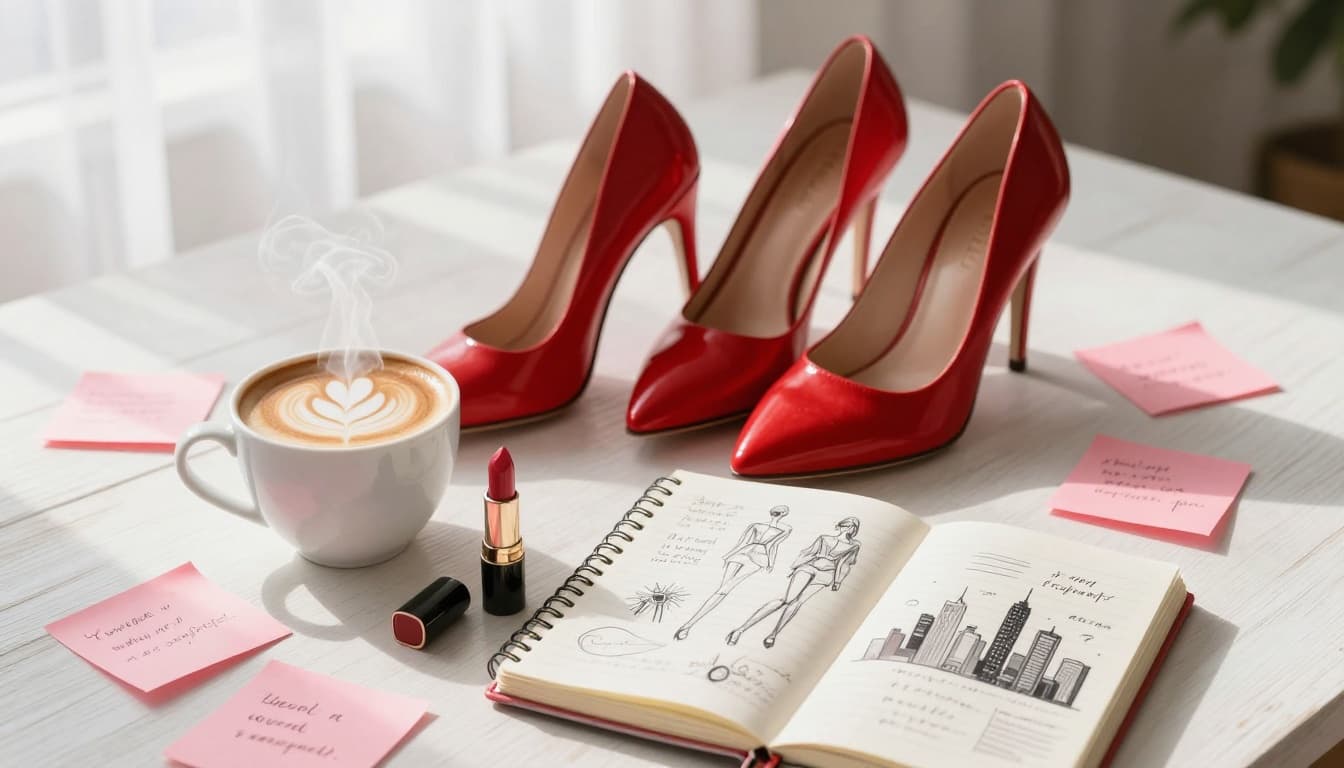 Bright, playful “city morning” vibes
When I’m in the mood for chick lit (or what we’d now call a rom-com vibe), I want a voice that feels like a funny friend texting me the play-by-play. The pace is usually quick, with short scenes and lots of momentum.
Common hallmarks I expect:
- A witty, modern narrator (often first person).
- Dating and workplace problems that spiral in entertaining ways.
- Friendships that act like a safety net when things go sideways.
- A big relationship arc that’s easy to root for.
It’s not that chick lit can’t have emotional moments. It can. But even the hard parts often come with a wink, a punchline, or a “well, that escalated” feeling that keeps the tone buoyant.
What I Expect from Women’s Fiction: Emotional Growth that Still Feels Hopeful
 A calm, reflective reading mood.
When I reach for women’s fiction, I’m usually craving a story where the main character changes in a way that feels earned. The plot can include love, but the emotional journey is the spine.
What I expect here:
- Character-driven storytelling with room to breathe.
- Big life shifts (loss, reinvention, identity changes, second chances).
- Relationships beyond romance, like sisters, kids, friends, and neighbors.
- A hopeful landing, even if the middle gets messy.
If you like stories where grief and healing sit side by side with slow-burn connection, that’s exactly the kind of emotional lane I aim for in my own books, including A Season of Promise ebook.
How the Label “Chick lit” Changed, and Why Many People Stopped Using it
Language changes because people change. “Chick lit” once served as a quick signal: fun, modern, voicey books about women, dating, and city life. Over time, the term started to feel loaded for a lot of readers and writers.
In recent discussions (including ones still popping up in January 2026), I keep seeing the same concern: the label can be used to dismiss stories about women as light or “less serious,” even when those books are sharp, emotionally honest, and well-written. The issue isn’t the stories, it’s the way the label sometimes gets used as a shortcut judgment.
Publishers didn’t stop selling these books. The marketing language just shifted. Many books that might’ve been called chick lit in the early 2000s now get shelved as women’s fiction, romantic comedy, or contemporary romance, depending on what drives the plot.
When “Chick lit” Felt Like a Compliment, and When it Started to Feel Limiting

At its best, the term once meant: “You’re going to laugh, you’re going to relate, and you’ll finish this book in a weekend.” For readers, that’s a compliment.
But at some point, “chick lit” also started to sound like a box, like the story would be shallow by default. Some people still use it casually and warmly. Others hear it as dismissive, even if the book has real heart and real stakes.
This is why I try to focus on what the reader actually wants: laughs or tears, swoon or growth, chaos or calm. Labels are tools, not verdicts.
What People Call these Books Now (So You Can Find What You Want Faster)
If you’re browsing a bookstore or searching online, you’ll usually see newer shelf language. Here’s how it often reads:
- Women’s fiction: the emotional journey and growth come first.
- Romantic comedy: bigger laughs plus a strong romance arc.
- Contemporary romance: the relationship is the main plot.
- Domestic fiction: tension inside family, home, or community life.
- Uplifting or feel-good fiction: a hopeful tone, often with healing themes.
If you’re curious how readers debate the line in real time, this older but still useful thread, difference between women’s fiction and chick lit, shows how varied expectations can be.
A Quick “Pick this if” Guide for Readers Who Love Romance and Women’s Stories

Some days I want fireworks, other days I want a slow sunrise. That’s the easiest way I choose between these styles. I also remind myself that plenty of modern books blend the two, a warm women’s fiction core with rom-com sparkle on top.
If you’ve ever stared at a book description thinking, “Is this going to make me laugh or cry?” here’s the shortcut I use.
I Reach for Chick Lit (or Rom-com) When I Want Laughs, Sparkle, and a Big Swoon

I’m usually happiest in this lane when:
- I want a witty narrator and sharp inner commentary.
- I’m craving dating chaos, misunderstandings, and high-energy scenes.
- I want workplace comedy, friend-group banter, and a social life that feels busy.
- I want a clear romantic win that lands like confetti.
This is also the mood where a sunny beach read hits just right, the kind of “one more chapter” story you pack for vacation.
I reach for women’s fiction when I want heart, healing, and characters who change
I reach for women’s fiction when:
- I want family secrets, second chances, or a starting-over story.
- I’m in the mood for a small-town community that feels like it matters.
- I want friendship repair, sister dynamics, or motherhood themes.
- I can handle grief on the page, as long as there’s hope in the room.
When I want that blend of family tension, forgiveness, and a coastal setting, I look for stories like Beachview Summer Guest ebook, where relationships aren’t just romantic, they’re tangled, real, and worth fighting for.
If you like a playful metaphor for choosing between styles, this post on women’s fiction vs chick lit as “choosing the right glass” is a fun way to think about reading mood.
Frequently Asked Questions About Women’s Fiction vs Chick Lit
1. What’s the main difference between women’s fiction and chick lit?
Women’s fiction is usually built around a woman’s emotional journey and personal growth. The plot often deals with meaningful life change, family dynamics, grief, identity shifts, career upheaval, or starting over. Romance can be part of it, but it typically isn’t the only engine driving the story.
Chick lit is usually lighter in tone and more comedic, with a bigger focus on dating, friendships, work drama, and modern life. It’s designed to feel breezy and entertaining, even when it touches real problems like insecurity, money stress, or body image.
2. Is chick lit a type of women’s fiction?
Often, yes. Women’s fiction works like an umbrella category, and chick lit can sit under it when the story still centers a woman’s life and growth.
The difference is that chick lit tends to stay in a narrower lane (lighter voice, quicker pace, modern dating and social life), while women’s fiction can stretch into heavier topics, older protagonists, and more layered, reflective storytelling.
3. Do they have different “rules” for endings?
They can. Women’s fiction doesn’t require a neat, happily-ever-after wrap-up. The ending might be hopeful, open-ended, or focused on inner resolution rather than romantic payoff.
Chick lit often leans more upbeat, and many books land on a satisfying, feel-good conclusion. That doesn’t always mean a traditional romance ending, but it usually aims to leave you smiling.
4. How can I tell which one I’m reading from the writing style?
There’s overlap, but a few patterns show up a lot:
Women’s fiction is often more character-driven, sometimes written in third person, and willing to slow down for emotional depth.
Chick lit is frequently voice-forward, often first person, with a fast pace, humor, and a strong sense of the main character’s personality on the page.
5. What are a few well-known examples of each genre?
Commonly cited examples of chick lit include Bridget Jones’s Diary, which helped define the funny, modern dating and self-image vibe many readers associate with the label.
For women’s fiction, authors like Jodi Picoult are often mentioned because their stories tackle bigger life issues and relationships with a more serious, emotional focus.
Conclusion
If I had to sum it up: chick lit is usually lighter, funnier, and more romance-forward, while women’s fiction usually leans deeper into a woman’s growth and emotional change. Today, plenty of books mix both, so I don’t treat the labels like hard rules.
I choose based on mood, themes, and what my heart can hold that day, not on whether a term sounds “right.” What about you, which label do you use, and what kind of story are you craving right now?


