

Women’s Fiction vs Love Story: Genre Labels and Reader Expectations That Actually Matter

I can’t count how many times I’ve heard some version of: “I wanted a romance, but this felt like something else,” or “It was definitely about love, so why didn’t it end happy?” That confusion makes sense, because women’s fiction, love stories, and romance often sit side by side on shelves and in online recommendations.
But the labels aren’t decoration, they’re a promise.
In this post, I’m going to explain Women’s Fiction vs Love story in plain language, unpack the reader expectations tied to each one, and help you pick the right book for your mood. If you want a guaranteed happy couple ending, you want romance, not just a love story.

Women’s Fiction Vs Love Story vs Romance: The Simplest Way to Tell Them Apart
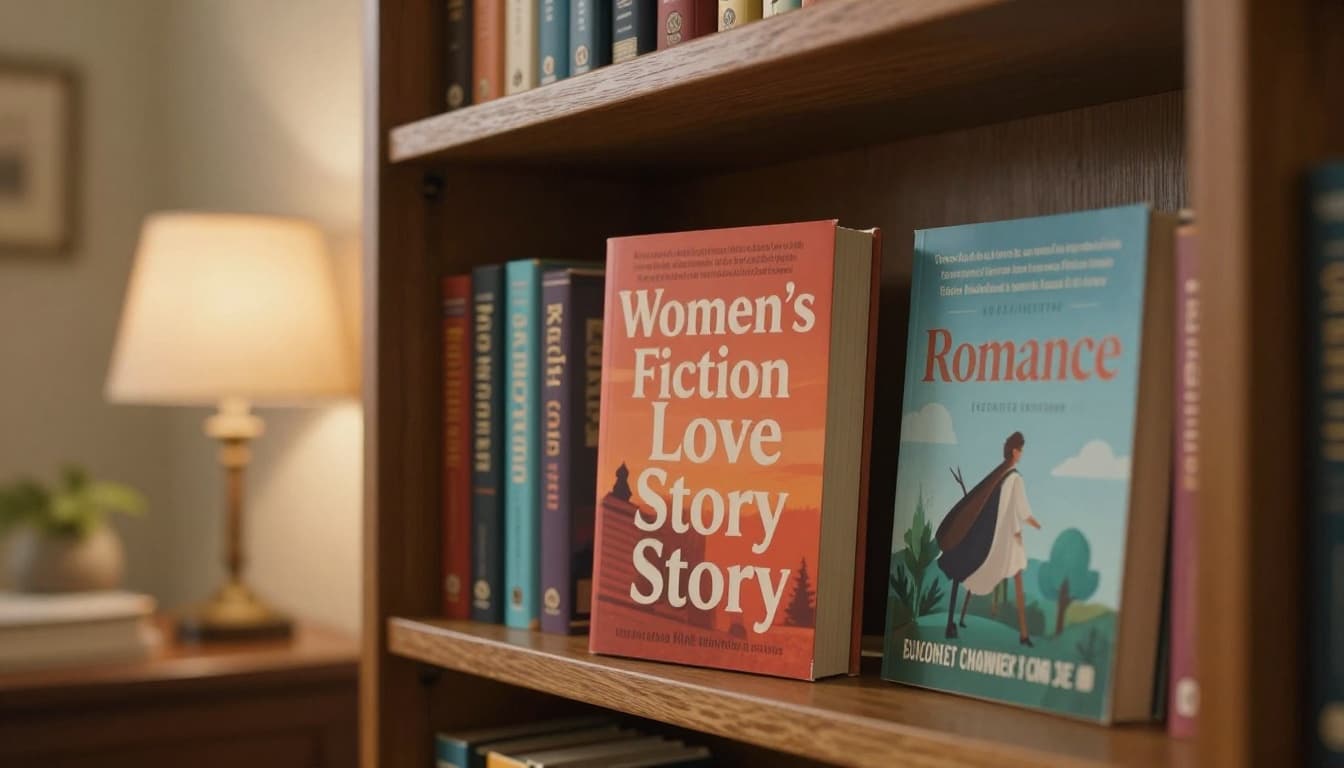 Three neighboring shelves that readers often mix up
Women’s fiction is centered on a woman’s internal change. Love can be part of the story, but the main payoff is her growth, healing, identity shift, or rebuilding. If you want a deeper definition, I wrote a clear breakdown in my women’s fiction guide.
A love story puts a romantic relationship in the spotlight, but it doesn’t have to follow romance-genre rules. It can end happily, sadly, or somewhere in between. A love story is not the same thing as a romance novel.
Romance centers the couple as the main plot engine, and it comes with a specific promise: by the end, the relationship is emotionally secure (a happy ending for the couple).
Here’s the quick difference that saves the most frustration:
- Women’s fiction: the promise is her transformation.
- Love story: the promise is the relationship matters, not the ending.
- Romance: the promise is the couple ends up together.
What Women’s Fiction is Really Promising the Reader
 A quiet, reflective moment that fits a growth-driven story
When I pick up women’s fiction, I’m expecting the story to care about a woman’s inner life. The plot might include divorce, grief, motherhood, caregiving, friendship fallout, a move, or a second chance. The point is that life pushes her, and she doesn’t come out the same.
Relationships matter a lot here, but not only romantic ones. Family roles shift. Friendships get tested. Community becomes a mirror. The love interest (if there is one) is often part of her change, not the definition of it.
Endings in women’s fiction often feel hopeful, but not in a neat, tied-with-a-bow way. Hope might look like healing, a hard truth finally spoken, forgiveness offered (or boundaries held), or a woman choosing herself for the first time in years.
If you like comparing women’s fiction and romance head-on, my post on women’s fiction vs romance expectations can help you spot the “story engine” faster.
What a Love Story Delivers (and What it Does Not Have to Deliver)
 Romance with uncertainty and tenderness
A love story is relationship-forward, but it’s not always relationship-optimistic.
In a love story, the romance might be shaped by timing, grief, different life goals, family pressure, health, or a past mistake that can’t be undone. The couple can be the emotional center and still not end up together. Sometimes that’s the whole point: love can be real and still not be enough.
This is where readers get burned. If someone requires the safety of romance-genre rules, they can feel disappointed by a love story that ends bittersweet or open. It’s not that the book failed, it’s that the label set the wrong expectation.
Romance readers tend to read for emotional payoff and security, which is why so many of us also love the familiar patterns (tropes, tension beats, big commitment moments). I wrote about those patterns in things women love to read in romance fiction, because once you notice them, you can predict the reading experience more accurately.
Reader Expectations that Actually Matter (So You Do Not End Up Frustrated)
 That “I need to know what I’m getting” feeling, created with AI.
I think of genre as an emotional contract. Not a prison. Not a snobby label. A promise about what kind of satisfaction the story is built to deliver.
Two books can both be “about love,” and still feel completely different:
- One might focus on a woman learning to trust herself again (women’s fiction).
- One might focus on the romance but end with a hard goodbye (love story).
- One might put the couple through chaos, but land them in a clear, happy commitment (romance).
When I’m about to buy or borrow, I ask a few practical questions that usually reveal the truth quickly:
Is the book selling me a journey or a relationship? Does the blurb hint at healing and identity, or chemistry and commitment? And most importantly, what kind of ending am I going to want after I invest my heart for 300 pages?
For an industry explanation of why these categories matter (and why they get mixed), I still like Writer’s Digest on women’s fiction vs romance as a grounding reference.
The Main Character’s Journey, Is it “Who am I Becoming” or “Will We End Up Together”
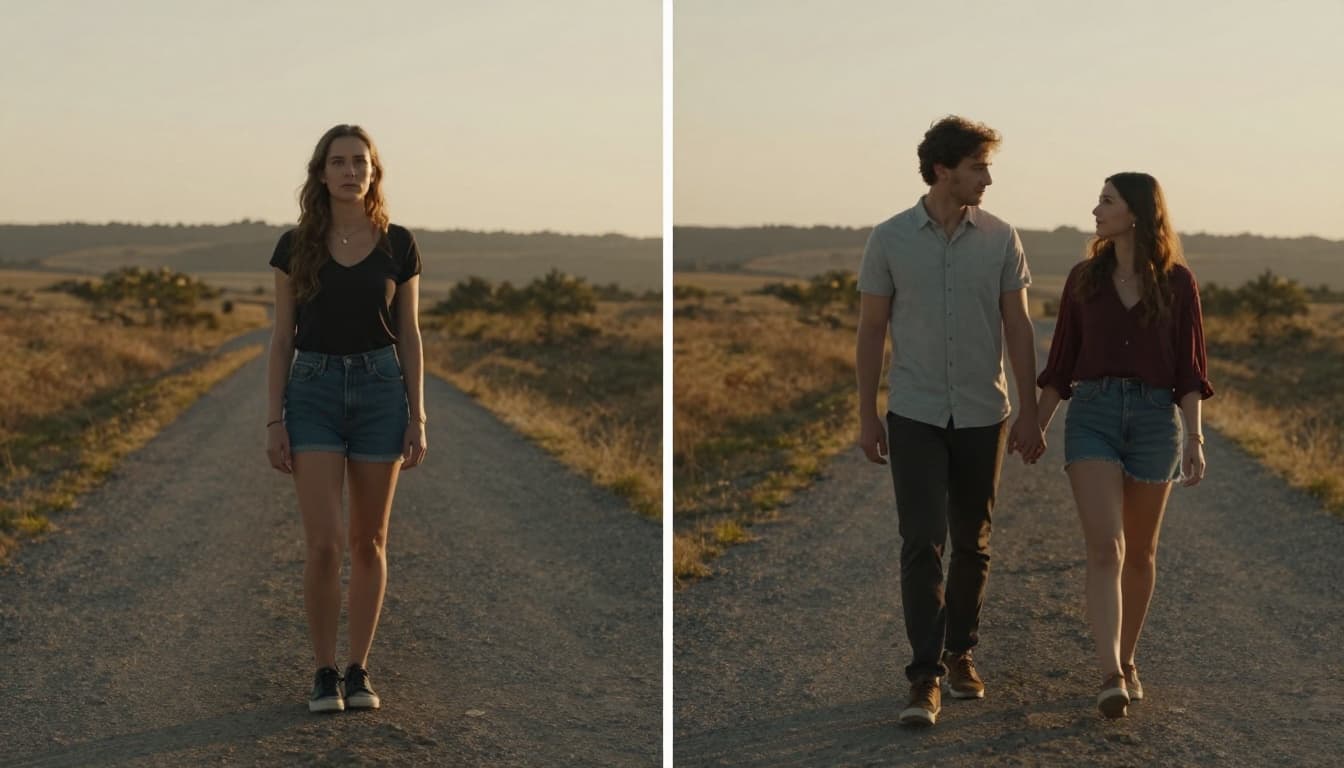 Two story “centers” side by side
Here’s my simplest test for Women’s Fiction vs Love story vs romance: what problem must be solved by the final pages?
Women’s fiction usually solves an inner-life problem (identity, belonging, courage, grief, self-worth). Love stories often solve connection and timing (or reveal they can’t be solved). Romance solves the relationship and commits to the couple.
If you like quick “core question” examples, these make it obvious fast:
- Women’s fiction core questions:
- “Who am I now?”
- “What do I want, really?”
- “How do I heal and move forward?”
- Love story core questions:
- “Can love survive this season of life?”
- “Is love enough if our paths diverge?”
- “What does it cost to choose each other?”
- Romance core questions:
- “What’s keeping us apart?”
- “Can we trust each other?”
- “Will we choose commitment?”
If you tend to gravitate toward romance where the heroine still has a full life outside the relationship, you might like my list of romance books with strong independent female protagonists. Those stories often feel like a bridge for readers who love both character growth and a secure couple ending.
Endings, Closure, and the “HEA” Misunderstanding
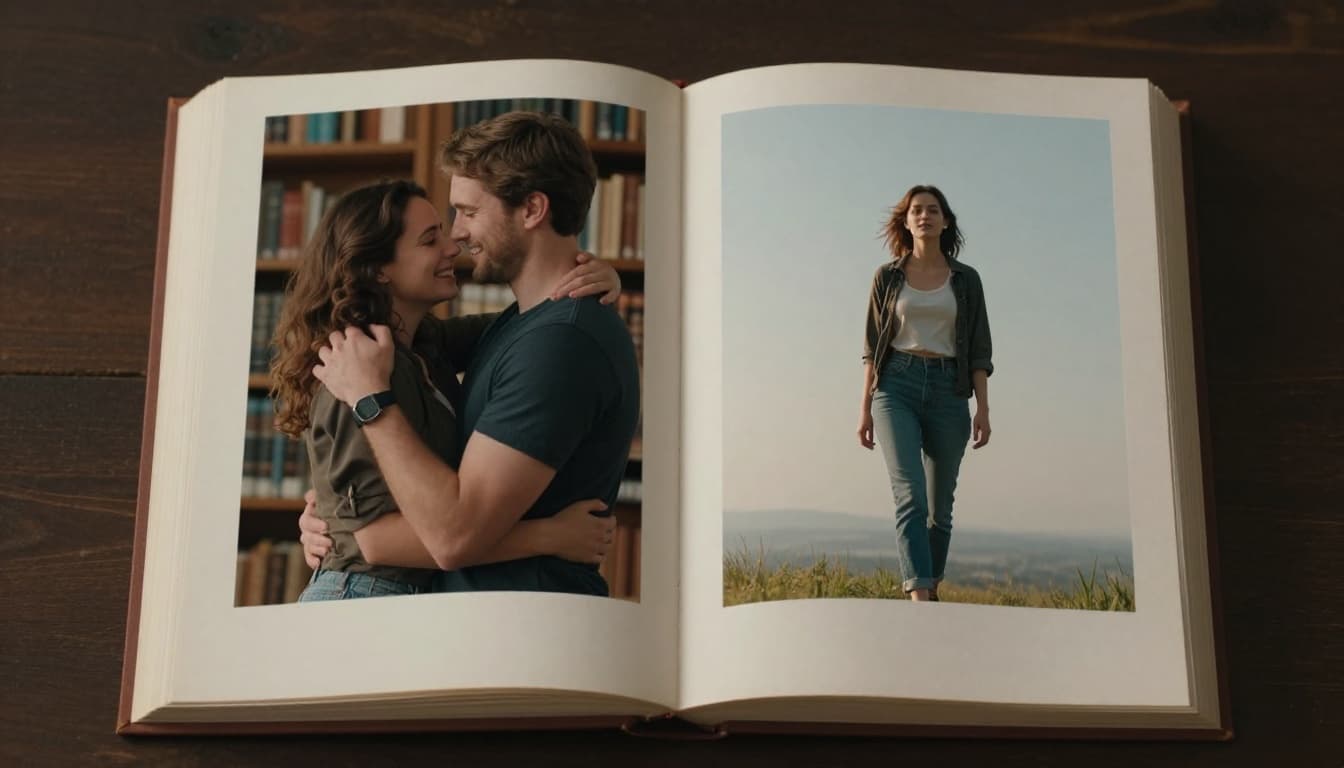 Two satisfying endings that mean different things.
You’ll see HEA and HFN a lot in romance spaces.
- HEA (Happily Ever After): the couple ends together, and it feels lasting.
- HFN (Happy For Now): the couple ends together, and it feels secure now, even if life is still unfolding.
In romance, one of these is expected. In women’s fiction, the ending can be hopeful through personal growth without guaranteeing the couple. In a love story, the ending can be joyful, bittersweet, or unresolved.
So why do bookstores and algorithms still mash them together? Because the vibes overlap: emotion-forward storytelling, relationship stakes, and often a woman-centered point of view. As of January 2026, the market is also full of blends, from romance hybrids to romantasy staying hot, and women’s fiction leaning into “complicated women” stories with sharper edges and bigger themes. That trend is fun as a reader, but it also makes labels feel blurrier.
If you want a very clean comparison of the romance category versus women’s fiction packaging, my post on women’s fiction vs romance fiction lays out the different promises without making either genre sound “better.”
How to Spot the Right Label Fast (from Covers, Blurbs, and Early Chapters)
 Blurb and cover clues under a reader’s “magnifying glass.”
I don’t think readers should have to do detective work just to avoid disappointment, but a few fast signals help.
Here’s my short checklist for browsing:
- Does the blurb focus more on her life change or their chemistry?
- Are the stakes about belonging and healing, or commitment and obstacles?
- Do reviews mention bittersweet, heartbreaking, or open ending?
- Is the marketing language promising a happy ending or just a powerful romance?
Those questions don’t ruin the book. They protect your mood.
Blurb and Cover Clues that Usually Tell the Truth
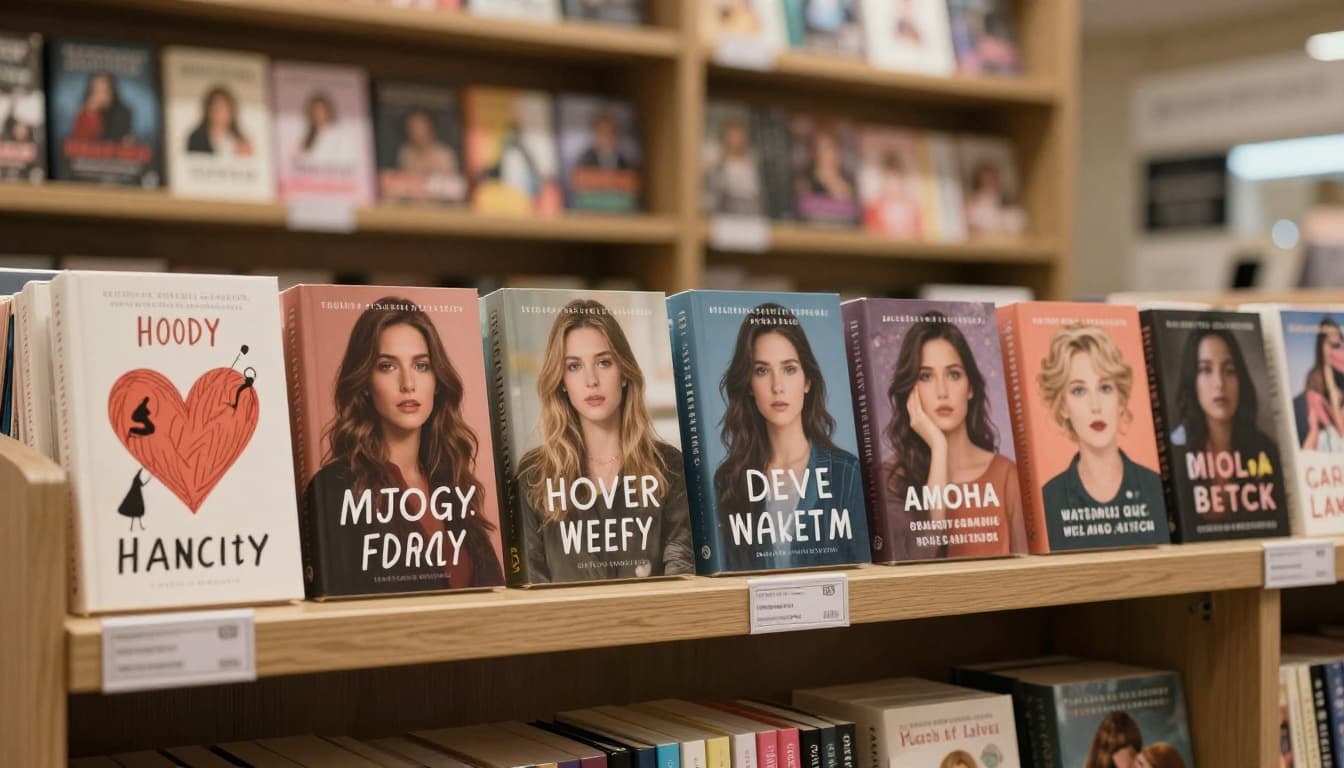 Different cover “languages” side by side.
Blurbs are the biggest tell, because they reveal what the publisher thinks the book is selling.
In women’s fiction, I usually see more space given to her relationships beyond dating: a sister, a friend group, a parent, a town. The stakes might be a job loss, a move, grief, or a secret that reshapes her life.
In romance, the blurb tends to lock in on the couple quickly. Even if there are subplots, the language keeps circling back to “these two,” the obstacle between them, and the emotional tension.
Illustrated covers often signal lighter romance or rom-com energy, but it’s not a guarantee. Photographic couples often signal romance too, but women’s fiction can use similar imagery when there’s a strong romantic thread. When I’m unsure, I scan the first page of reviews for ending tone.
If you love romance where the female lead is front and center (not flattened into a prize), you might enjoy my roundup of best romance books with strong female leads.
The First 50 Pages Test: What the Story Spends Time On
 The “opening chapters” test in action
Early chapters don’t just introduce characters, they show you what the story values.
If I notice work scenes, family tension, friendships, and private reflection repeating, I’m probably in women’s fiction. The romance might be there, but it’s orbiting her larger change.
If I notice chemistry beats, dates, forced proximity, romantic banter, and relationship obstacles taking up most page time, I’m probably in romance.
If I notice the romance in the spotlight, but also a steady drumbeat of larger themes (grief, timing, identity, ambition), and the tone feels like it might break my heart, I’m likely reading a love story.
And yes, sometimes books sit in the overlap on purpose. That’s not a problem, as long as the book doesn’t pretend it’s making a promise it won’t keep. If you want more “competent heroine” romance where the relationship still feels equal, my list of strong, competent heroines in romance is a good place to start.
If You Are a Writer, How to Describe Your Book Without Confusing Readers
 Writing a blurb with clarity and intention.
I’m always going to prefer “right reader, right book” over trying to squeeze a story into the most popular label. Clear positioning doesn’t shrink your book, it helps it land.
If you’re writing Women’s Fiction vs Love story blends, the cleanest move is to name what the story centers and what kind of emotional landing the reader should expect. If you’re writing romance, you don’t have to dance around it. Romance readers appreciate honesty.
If you’re writing romance with inclusive leads, it can also help to signal representation in a confident, normal way, like my post on romance books with Black female leads does. The right readers will find you faster.
Positioning Phrases that Set Expectations Clearly
 Blurb language that signals genre promise.
Women’s fiction with a romance thread
- “A woman rebuilds her life after heartbreak, and love shows up when she least expects it.”
- “A fresh start story about grief, friendship, and the risk of wanting more.”
- “Her second chance isn’t just romantic, it’s personal.”
Love story
- “They fall in love at the wrong time, and neither of them can pretend it’s simple.”
- “A tender relationship story where love is real, even when the future isn’t clear.”
- “A bittersweet romance about choosing what you need, not just what you want.”
Romance
- “Two people fight their way past fear and misfires to choose each other for good.”
- “A slow-burn romance with high chemistry and a guaranteed happy ending.”
- “They’re endgame, they just have to survive the obstacles first.”
If you’re writing romance and want readers who love body-positive stories, I’ve shared resources and picks in romance books with plus size FMCs and a shorter list of best plus size FMC romance books.
Common Labeling Mistakes that Cause Bad Reviews (and How to Avoid Them)
 A reader reacting to a mismatched promise.
Here are the mismatches I see spark the most anger (and the easiest fixes):
- Marketing a bittersweet love story as romance: Fix by adjusting your blurb to avoid “happily ever after” language and use “bittersweet” or “emotional love story” instead.
- Labeling women’s fiction as romance because there’s a love interest: Fix by centering her life change in the first two sentences of the blurb.
- Hiding the fact it’s women’s fiction until late: Fix by showing the core life problem upfront, not only the meet-cute.
- Using romance cover signals without romance payoff: Fix by matching cover tone to ending tone, even if it’s subtle.
- Promising “uplifting” when the ending is heavy: Fix by choosing truer tone words like “moving,” “heart-tugging,” or “thoughtful.”
If you want a second set of eyes on how romance and women’s fiction differ in reader expectations, this women’s fiction vs romance breakdown is another helpful reference.
Frequently Asked Questions About Women’s Fiction vs Love Story
1. What’s the main difference between women’s fiction and a love story?
Women’s fiction is driven by a woman’s personal journey, her change, her choices, and the life she’s building. Romance can be part of that, but it’s not the only engine of the plot. The real question is usually, “How will she grow, heal, or start over?”
A love story (romance) is driven by the romantic relationship itself. The core tension is about the couple getting together and staying together, and the ending typically delivers a happily ever after (HEA) or happy for now (HFN).
A quick test: if you removed the romance and the book still works, it’s likely women’s fiction. If removing the romance collapses the whole plot, it’s likely romance.
2. Does a love story always mean “romance genre” with an HEA or HFN?
Not always. “Love story” can be used casually to describe any book with a big romantic thread, including some women’s fiction. But in romance as a genre, readers expect the relationship to be the main plot and to end with HEA or HFN.
Some books marketed as love stories can end in bittersweet ways, or focus more on timing, loss, or personal change than on a guaranteed happy couple ending. That’s where labels matter. If you’re choosing your next read based on mood, check the book’s category and description, because “love story” on its own doesn’t always promise the romance genre structure.
3. How can I tell which genre a book is while I’m reading?
Pay attention to what the story treats as non-negotiable. In romance, the biggest scenes, conflicts, and turning points keep circling back to the relationship and what it will take for the couple to be together.
In women’s fiction, the love interest may be important, but the story spends more weight on the main character’s inner change and her other relationships and responsibilities. You’ll often see more focus on family ties, friendships, work, caregiving, identity, or rebuilding after a major life shift. The romance supports her arc, rather than replacing it.
4. Can women’s fiction include romance, steam, or a happy ending?
Yes. Women’s fiction can absolutely include a strong romance, on-page intimacy, and a happy ending. The difference is less about “how spicy” it is and more about what the book is really about.
A women’s fiction heroine might fall in love while also rebuilding her life after divorce, grieving, changing careers, or returning to a hometown she swore she’d never go back to. The relationship can be meaningful and satisfying, but it’s one part of a bigger emotional journey. If you’re browsing for a coastal or small-town read, this is why two books with similar settings can feel very different once you’re a few chapters in.
5. Are point of view and character focus clues (single POV vs dual POV)?
They can be helpful clues, but they’re not hard rules. Romance often uses dual point of view, so readers get both partners’ emotions and stakes as the relationship develops. Women’s fiction more often stays close to the heroine’s perspective, since the book centers on her personal growth.
Still, there’s overlap. Some romances use single POV, and some women’s fiction uses multiple POVs. Use POV as a hint, then confirm with the bigger signals: Is the relationship the main plot, and is the story built to deliver an HEA or HFN? Or is the romance one thread in a wider story about a woman reshaping her life?
Conclusion
Women’s Fiction vs Love story is really about the promise you’re buying: her transformation, their relationship, or the couple’s guaranteed happy ending. Once you know what each label commits to, picking your next read gets easier, and the story hits the way it’s meant to.
I’d love to know what you reach for most: growth-driven women’s fiction, a love story that can break your heart, or a romance with a guaranteed HEA. Drop your preference in the comments and tell me what you’ve been loving lately.


