

Women’s Fiction About Found Family: My Favorite Comfort Reads

Some books feel like a warm light you can carry around, especially when life’s messy. That’s why I keep coming back to women’s fiction about found family, the stories where connection doesn’t come from blood, it comes from choice.
Found family is people who choose each other and show up like family. When I’m tired of cold endings or perfect people, these novels hit me right where I live, they offer comfort, hope, and the kind of second chances that don’t need a grand gesture to feel real. (If you’ve ever needed one steady person to say, “I’m here,” you get it.)
 Four women sharing a meal and laughter in a cozy coastal home
In this post, I’m sharing what found family usually looks like in women’s fiction, from tight friend groups and welcoming communities to unexpected mentors and “we’re in this together” neighbors. I’ll also point out the emotional beats I expect every time, the lonely stretch, the small kindnesses, the moment trust finally sticks, and the big exhale at the end. Along the way, I’ll talk about what makes it work on the page, voice, everyday details, and characters who earn the bond.
And if you’re new to the trope, I’ll keep it easy with beginner-friendly picks like The Very Secret Society of Irregular Witches, The People We Keep, and The Christmas Orphans Club. If you like stories that blur the line between love stories and life stories, you might also enjoy my quick take on Differences between women’s fiction and romance and Women’s fiction explained for readers.

What found family really means in women’s fiction, and why it feels so satisfying
When I reach for women’s fiction about found family, I’m not just looking for a fun friend group or quirky side characters. I’m looking for that slow shift from “we get along” to “you’re safe with us.” The best found family stories give me the same comfort as walking into a kitchen where someone already set out a mug for me, no questions asked.
Found family, to me, is built through repeated choice. It’s the decision to show up, again and again, even when it’s inconvenient. It’s care that has weight to it, not just words. And when a book gets that right, I feel my whole body unclench as I read.
Found family vs. friendship: the moment it turns into something deeper
 Three friends holding each other up in a hard moment
Friendship is wonderful, but found family has that extra layer of commitment. It’s when the relationship stops being optional entertainment and starts being emotional shelter. I notice a few turning points show up again and again, and they’re the exact moments that make me feel safe as a reader.
First, there’s someone being taken in (sometimes literally). A character loses housing, escapes a bad situation, or just can’t go back to their old life. The group makes room, not as a favor, but as a fact. The message is clear: “You belong here.” If you love stories where a woman finally gets to exhale, you’ll probably also like reading about what makes a lead feel real in what defines a heroine in fiction.
Second, a crisis forces honesty. Not gossip, not a tidy confession, but the kind of truth that costs something. Somebody admits they’re broke, scared, lonely, or ashamed. And the group responds with steadiness instead of judgment. Those scenes hit me because they mirror what most of us want in real life: to be loved after we tell the truth, not because we hid it well.
Third, a character chooses the group over pride. She asks for help. She apologizes first. She shows up even when she’s embarrassed. That choice is the moment the bond stops being a vibe and becomes a vow.
A mini-scene idea I always love: a woman shows up soaked from the rain after a fight with her sister, expecting a lecture. Instead, someone silently hands her sweatpants, a towel, and a bowl of soup. No questions until she’s ready. That’s the emotional gold.
And yes, found family can include romance (sometimes the love interest is folded into the “family” beautifully), but it’s never required. If you’re curious about how these story lanes differ, I like this breakdown of Differences between women’s fiction and romance and the deeper comparison in Women’s Fiction vs Romance Fiction: What’s the Difference and Why It Matters.
Why these stories land for romance and women’s fiction readers
 A couple being celebrated by friends at a sunny beach-town gathering
Found family is satisfying because it stacks emotional payoff on emotional payoff. Romance readers and women’s fiction readers both crave that feeling of earned closeness, and found family gives it in a way that feels steady, not rushed.
For me, the payoff isn’t just one big speech at the end. It’s the accumulation of caring gestures:
- Someone remembers how she takes her coffee.
- A friend notices she’s spiraling and changes the subject gently.
- A neighbor fixes the porch step without being asked.
- A group chat turns into a rescue team in under five minutes.
Those are small things, but on the page they read like proof. If you like the romance side of that emotional reward, the patterns are the same ones I see in what women seek in romance novels, especially the steady support and “show, don’t tell” devotion.
Found family also makes romantic arcs feel richer because it adds a community container around the couple. When a love story happens in a vacuum, it can feel dreamy, but it can also feel flimsy. With found family in the mix, the romance has witnesses. It has stakes.
I love when the group becomes:
- Pressure (not in a toxic way, but in a “don’t hurt her, we will notice” way).
- Cheerleaders (people who want the couple to win, but still tell the truth).
- Real-life complications (kids, exes, work shifts, history, small-town gossip, the whole messy bundle).
It’s like trying to build a fire with kindling versus building one in a hearth. The hearth does not remove the heat, it holds it. And that’s what found family does for romance inside women’s fiction about found family, it holds the love story so it can burn longer.
If you’re a character-first reader like me, you might also enjoy lists of women who feel fully alive on the page, like Iconic modern women’s-fiction heroines and Romance books featuring strong heroines.
The emotional promise: belonging, second chances, and a home that is chosen
 Friends walking together on the beach at sunset
When found family is done well, I know exactly what I’m getting in the best way. It’s an emotional promise I can trust. The core feelings I usually walk away with are simple, but they go deep:
- Seen: The main character doesn’t have to perform competence to be loved. Someone notices what she’s not saying.
- Protected: Not infantilized, not controlled, just backed up. She has people in her corner.
- Hopeful: The past mattered, but it doesn’t get to be the only story anymore.
That’s why these books are comfort reads for me. They don’t pretend pain is cute. They just insist it isn’t permanent.
A chosen family also tends to bring the best kind of second chance, the one where a character gets to try again with better tools, boundaries, self-respect, and people around her. If you’re building a cozy reading ritual around that feeling, I love pairing these stories with practical comfort, and I keep coming back to this beach-read therapy kit gift guide.
And I like that found family can be messy, because that’s where it feels real. People misunderstand each other. Someone disappears for a week. Old wounds get poked. A new member joins and shifts the balance. The bond holds anyway, not because everyone behaves perfectly, but because they repair.
That’s the chosen home I’m always chasing in women’s fiction about found family: a place where the door stays open, the truth is allowed, and love looks like action.
The building blocks I look for in a great found family story
When women’s fiction about found family works for me, it’s because the relationships feel built, not assigned. I want to see the slow stacking of trust, the awkward first invitations, the tiny risks, the steady follow-through. It’s the difference between being “included” and being kept, even on your worst day.
I also pay attention to tone. I’m here for hope and tenderness, but I don’t want a story that pretends real life is simple. The best comfort reads let characters carry history without turning the book into a suffering contest. If you like stories that balance warmth with real emotional growth, you’ll probably recognize a lot of this from the way the genre is defined in Women’s fiction explained for readers and how it differs from happily-ever-after-first storytelling in Differences between women’s fiction and romance.
A clear need: why each person is searching for a new kind of family
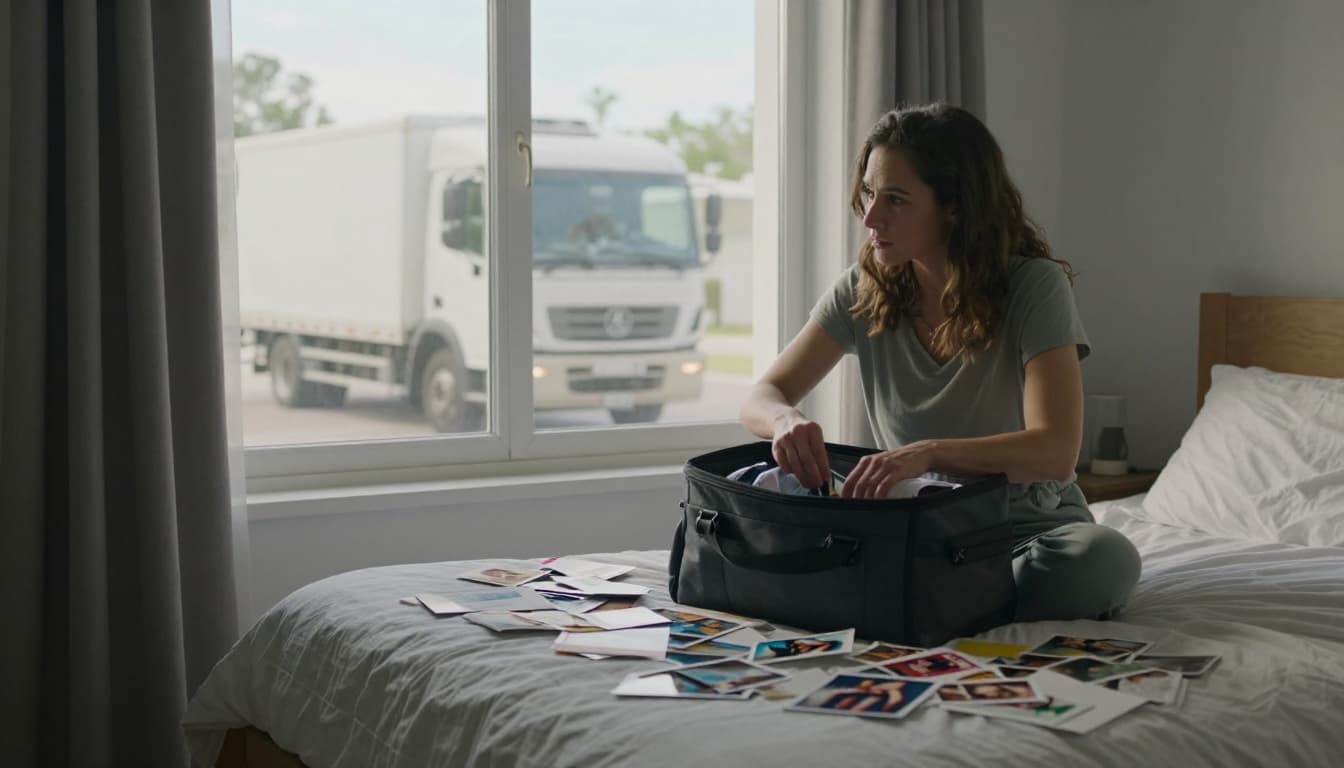 Starting over with a packed bag and a steady breath
I need a clear reason each character is open to new people. Not a melodramatic explanation, just an honest one. In women’s fiction about found family, the “why” is the anchor that makes every later bond feel earned.
The backstories that land best for me tend to be relatable and contained on the page. Grief can be present without graphic detail, shown through empty routines, a calendar no longer filled, a sudden flinch at someone else’s joy. Divorce can be a quiet unthreading instead of a courtroom spectacle, the character learning who she is when nobody’s demanding she be the fixer. I see a lot of “new town” resets too, the woman who moves for a job, a cheaper rent, a fresh start, or even a summer that was supposed to be temporary (that’s part of why I love coastal reset stories like Why beach-town fresh-start stories feel like therapy).
Estrangement is another powerful setup, especially when it’s handled with nuance. Sometimes a family member wasn’t safe. Sometimes love existed, but boundaries didn’t. Sometimes the character is the outsider for reasons that don’t fit in a neat box, she’s the new stepmom, the shy coworker, the neighbor who never quite learned how to “join in.” Caregiving burnout also hits hard in a very real way, the woman who has spent so long being needed that she forgot what being supported even feels like.
What I’m always watching for is agency. A great found family arc isn’t “someone rescues her,” it’s “she chooses to step toward people again.” That’s one reason strong, self-directed leads matter so much in this genre, and I keep coming back to 13 Character Traits About Strong Heroines In Women’s Fiction when I want language for what makes that choice believable.
Small moments that prove love: meals, rides, favors, and honest talks
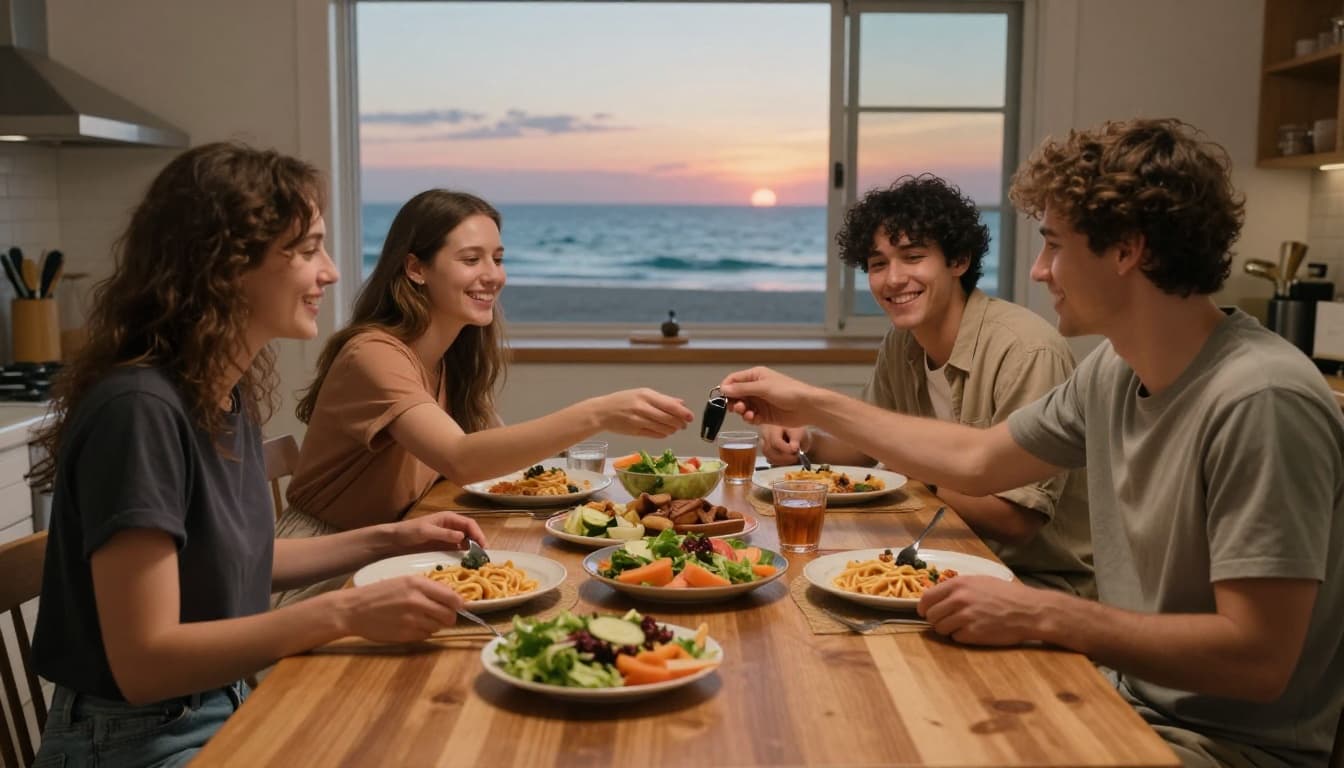 An ordinary meal that quietly turns into belonging
I fall for found family through the “nothing” scenes, the ones that feel like real life. Big gestures can be fun, but daily care is what convinces me the bond will last past the last page.
Some of my favorite earned bonding moments look like this:
- A meal that becomes a ritual: Tuesday pasta night, Sunday pancakes, someone packing leftovers without asking. The food is rarely the point, it’s the unspoken message: “You’re expected here.”
- A ride that solves more than transportation: a coworker who picks her up after the car won’t start, a neighbor who drives her kid to practice, a friend who waits in the parking lot so she doesn’t have to walk out alone.
- Small favors with zero martyr energy: fixing a leaky faucet, watching the dog for an hour, dropping off cough drops, showing up with a spare phone charger when someone forgot hers (again).
- Honest talks that don’t get polished: the messy confession in the kitchen, the half-laughing, half-crying truth in the car, the “I don’t know how to do this” admission that finally gets answered with “You don’t have to alone.”
Quiet scenes can be more powerful than big speeches because they mirror how love usually works in real life. Most of us aren’t changed by one perfect monologue. We’re changed by patterns, someone who remembers, someone who circles back, someone who stays kind on a random Thursday. It’s the same reason relationship dynamics can feel so affecting in books that explore emotional expectations, like How romance fiction influences our expectations of real love. The proof is in repetition.
And when the story includes romance, I love when the found family supports it in grounded ways, not as a cheering squad with pom-poms. A friend who asks, “Does he show up the way you need?” hits harder than any toast. That’s also why I like lists that center women with real agency, like Best romance books with strong female leads, because the “small moments” only land when the heroine is allowed to have standards.
Healthy conflict: boundaries, forgiveness, and learning to stay
 Conflict handled with care and honesty
Found family isn’t comforting to me if it’s conflict-free. That’s just a fantasy friend group with matching outfits. I want healthy conflict, the kind that tests the bond and then strengthens it through repair.
The conflicts that fit best in women’s fiction about found family are usually intimate and practical, not villain-driven. Misunderstandings happen because people are tired, guarded, or embarrassed. Fear of abandonment shows up as defensive jokes, disappearing acts, over-apologizing, or trying to “earn” a place by being useful. Money stress is a big one too, rent coming due, someone covering a bill, resentment simmering because pride is bruised.
Blending households can be especially rich in women’s fiction. It brings real stakes without needing outrageous plot twists: whose stuff stays, whose rules matter, how quiet time works, what happens when one person needs structure and the other needs space. Add co-parenting dynamics and you’ve got plenty to work with, the ex who’s still around, the kid who tests loyalty, the partner who wants to help but doesn’t know how.
A satisfying resolution, for me, has three parts:
- Clear boundaries that don’t get mocked or punished.
- Accountability that includes specific ownership, not vague “sorry you feel that way.”
- Changed behavior, even if it’s imperfect and takes practice.
I also love when forgiveness isn’t treated like an obligation. Sometimes the lesson is, “I can care about you and still say no.” That’s one reason I like reading about heroines who stand their ground, whether in women’s fiction or romance, and why I point people to guides like 13 Character Traits About Strong Heroines In Women’s Fiction and romance lists that show boundaries in action, like Best romance books with strong female leads.
When the characters learn to stay after a fight, not as doormats, but as adults who repair, that’s the deep comfort I’m chasing.
A community setting that acts like a character (book clubs, cafes, beach towns, workplaces)
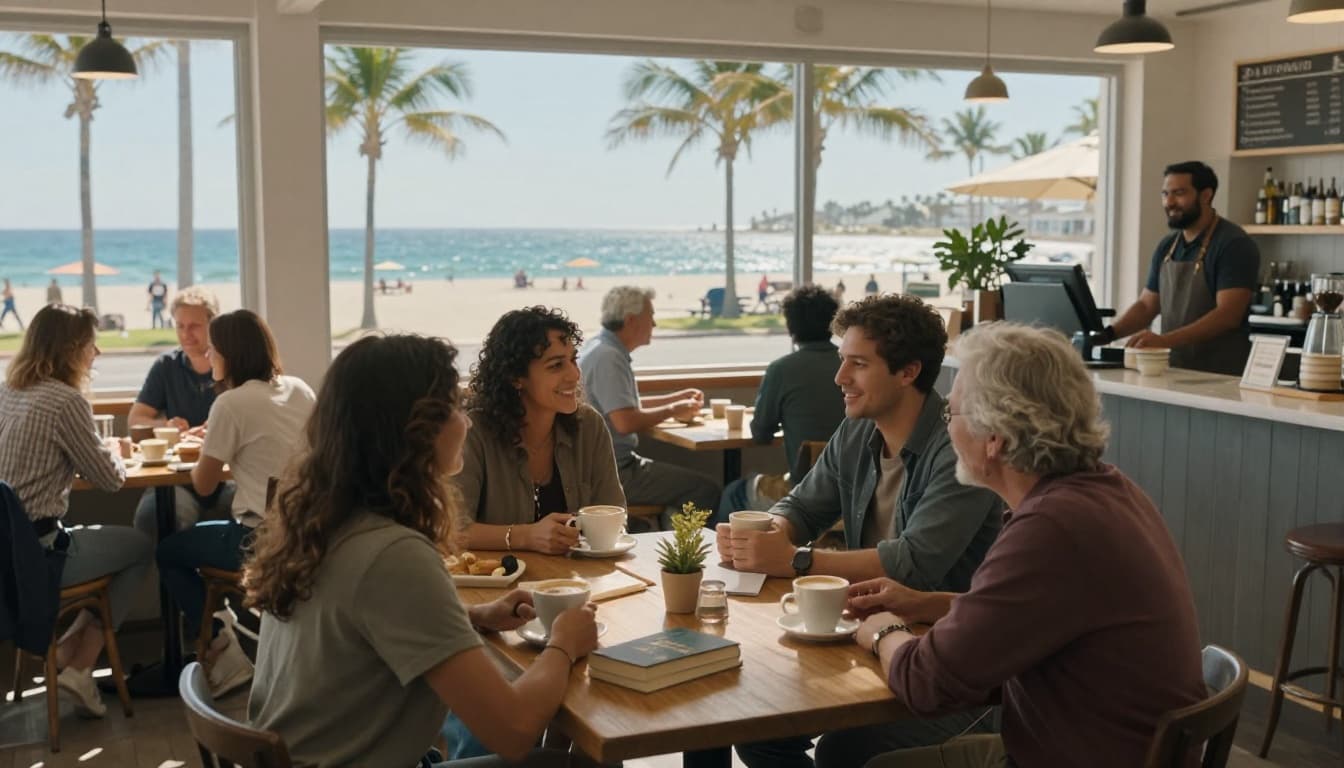 A familiar local spot where a newcomer starts to become a regular
Setting is the sneaky magic trick in found family stories. When a community is written well, relationships form naturally because people keep crossing paths. The town, workplace, or neighborhood group becomes the sturdy backdrop that makes belonging feel possible.
I’m drawn to popular setups for a reason. Small towns create repeated contact, plus a sense that people notice when you’re missing. Coastal communities add that “fresh air” feeling that pairs so well with reinvention, which is a big part of why beach settings keep showing up in comforting women’s fiction (and why I loved the emotional framing in Why beach-town fresh-start stories feel like therapy). Tight workplaces do something similar, especially when the job is hands-on and communal, like a cafe, an inn, a bookstore, a clinic, a school, a marina. You don’t have to force the closeness, the schedule does it for you.
Volunteer projects are another easy engine for found family. A beach clean-up. A food pantry shift. A fundraiser committee that meets weekly and slowly stops being awkward. Even a book club can do it, especially when the “discussion” turns into, “Okay, but how are you really doing?”
Recurring locations are what make the setting feel like home:
- The same diner booth.
- The library table by the window.
- The coffee shop where the barista knows your order.
- The marina bench where hard talks happen.
- The community center where everyone pretends they aren’t friends yet.
Those places carry memory like little jars on a shelf. By the time you reach the ending, the characters aren’t just bonded to each other, they’re bonded to a map of shared routines. That’s my favorite kind of comfort read, the one that makes me want to stay in that town a little longer.
And when the story’s cast is diverse in identity, body type, and life stage, the community setting can make that feel even more organic, like a true cross-section of people who found each other at the same time. If you like romance recs that widen the lens, I’ve bookmarked posts like Romance books with plus size FMCs that actually feel good to read and Romance books with Black female leads because they highlight that warm, character-first focus I want in any found family story.
Common found family setups in women’s fiction, and which one fits my mood
When I’m choosing women’s fiction about found family, I’m usually not picking by plot first. I’m picking by setup, because the setup determines the comfort flavor. Do I want that small-town “everyone notices you’re struggling” warmth, or do I want a tight crew that forms under pressure and somehow becomes permanent?
These are the found family patterns I see most often, and the quick mood cues I use to match the right book to the right night.
The ‘new in town’ circle: neighbors who become lifelines

This is my go-to when I want the emotional equivalent of a quilt tugged up to my chin. A woman arrives in a new place for any number of reasons, grief, divorce, burnout, money stress, and she tells herself it’s temporary. The town (or street, or apartment building) has other plans.
What makes this setup feel so cozy is the way belonging shows up in small, repeatable contact. The same neighbor walks their dog at the same time. The same older couple sits on their porch every evening. Someone waves like it matters that she exists. No big speeches, just a steady rhythm that starts to soften her edges.
I love how these stories fold a newcomer in without pretending it’s instant. Usually it goes like this:
- A practical problem forces an introduction (a flat tire, a leaky sink, a wrong package).
- An invitation happens “by accident” (a potluck, a porch chat, a local meeting).
- A crisis hits, and the town shows up in a way she can’t dismiss.
And yes, there’s often local gossip, but in the best women’s fiction about found family, it’s the kind with a good heart. People talk because they care. They notice because they’re paying attention. It’s less “mean girls” and more “We’re keeping an eye out.”
My mood cues for this one are simple: small-town warmth, porch talks that run long, comfort food and potlucks, familiar faces at the same counter, and that sweet moment when someone says, “We saved you a seat,” like it’s the most normal thing in the world.
The workplace crew: when the people you clock in with become your people
 A close-knit group vibe where shared days turn into shared lives
Workplace found family hits when I want warmth with an edge of chaos. Jobs create fast intimacy for one reason: shared stress. You can learn more about a person in one slammed shift than in three polite brunches.
In these stories, the characters bond the way people do in real life when they’re tired, underpaid, overbooked, or emotionally stretched. They trade inside jokes like survival tools. They know who needs coffee before they speak. They can read each other’s faces across a room and step in without being asked.
I see this setup everywhere in women’s fiction about found family because it’s such a believable engine. Put people together in a:
- cafe where the morning rush is a daily test of patience
- bookstore where quiet conversations turn personal
- hospital unit where stakes are high and emotions spill
- resort where seasonal workers become each other’s home base
- nonprofit where everyone cares too much and still shows up
- school where staff meetings are half strategy, half group therapy
What I love most is the mutual rescue. The help isn’t abstract. It’s “cover my shift so I can take my kid to the dentist,” or “walk me to my car after a scary client,” or “tell me I’m not failing at this job and this life.”
This setup is also perfect if I want a story where the found family isn’t just sweet, it’s earned. The crew has seen each other at their worst. They’ve snapped, cried in the supply closet, eaten cold fries over the sink, and still chosen to come back the next day.
My mood cue here: if I want comfort that feels like laughing too hard in the break room after a brutal day, I reach for the workplace crew.
The unlikely roommates: forced proximity that turns into real care
A shared home moment where care shows up quietly
Roommate found family is my pick when I want tenderness that starts with friction. Forced proximity is a pressure cooker, and women’s fiction uses it beautifully because it turns everyday routines into emotional turning points.
At first, it’s rules. Split the bills. Label the food. Don’t touch my stuff. Don’t ask personal questions. Everyone stays in their lane because being open feels risky, and because privacy is often the last thing a struggling character feels she still controls.
Then the story shifts, slowly and in a way that feels real. The “roommates” begin to notice each other’s patterns:
- one person always eats standing up, like she doesn’t deserve rest
- one person showers too long because it’s the only quiet place
- one person keeps the TV on for background noise so the apartment doesn’t feel lonely
What makes this setup hit so hard is the practical stakes. Rent is due. Someone’s hours get cut. A kid needs a stable place to land. A parent’s health changes. Sometimes one roommate becomes a caregiver in small ways that don’t look dramatic on paper, but feel massive in a life.
And underneath it all is the fear I see again and again in women’s fiction about found family: the fear of being a burden. Roommate stories let that fear play out in tiny scenes, the grocery receipt someone tries to hide, the careful “I’m fine” when she’s clearly not.
The comfort comes when trust becomes casual. Not performative, not announced. Just normal. A spare key offered without fanfare. A bowl of soup set down without questions. A quiet, “I’m here,” that doesn’t ask for anything back.
When I’m in the mood for found family that feels like a locked door finally opening from the inside, I choose the unlikely roommates.
The intergenerational bond: chosen family across age and life stage
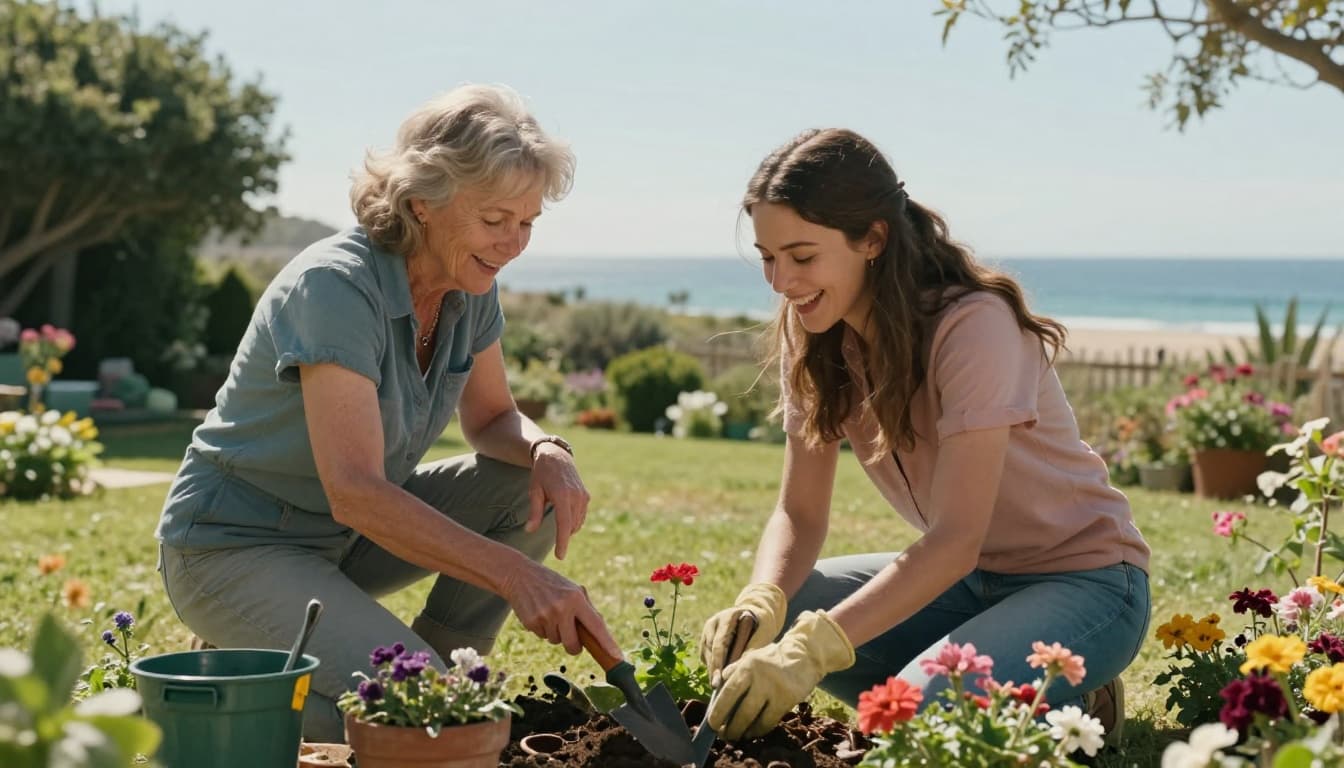 Two women gardening together across generations, created with AI.
This one lands for me when I want a story that feels both gentle and gut-punch honest. Intergenerational found family works because it’s built on trade, not charity. Each person brings something the other actually needs, even if they don’t admit it at first.
In the best women’s fiction about found family, age-gap bonds aren’t written like a lecture. They’re written like companionship. Wisdom gets offered, not forced. Care moves both directions.
Some of my favorite variations are simple:
- an older woman and a younger woman helping each other through different kinds of loneliness
- a teen and a widow building a routine that gives both of them a reason to get up
- a single parent and a retiree swapping support, childcare for advice, stability for purpose
This setup hits hard because it comes with built-in themes of second chances. A younger character gets a steadier adult than she’s ever had. An older character gets to matter again in a daily way. They don’t erase each other’s pain, but they stop it from being isolating.
It can also be heartwarming without getting cheesy when the book keeps the details grounded. Let them bicker a little. Let them misunderstand each other’s slang or habits. Let love show up as action, a ride to an appointment, a kitchen table talk, a hand squeezed at the right moment.
If I’m craving comfort with depth, the kind that makes me call my mom or text my best friend after I close the book, I reach for intergenerational found family. And if I’m already in the mood for capable, self-directed women at the center of their own healing, I tend to pair that vibe with my own list of Romance books with strong independent heroines.
Start here: women’s fiction reads with strong found family vibes
When I’m recommending women’s fiction about found family to someone who wants comfort, I start with books that make “belonging” feel practical. Not big speeches. Not perfect people. Just characters who keep showing up with soup, spare keys, and a chair pulled up to the table like it’s the most normal thing in the world.
Below are the reads I reach for first, grouped by mood, so it’s easier to match the right book to the kind of day you’re having.
Cozy and uplifting picks when I want comfort first
 Coworkers sharing a real laugh during a break, created with
If I want a soft landing, I choose stories where community is the plot engine. These are the books that feel like walking into a room where someone already remembers your order.
Vera Wong’s Unsolicited Advice for Murderers by Jesse Q. Sutanto is my go-to when I want humor and heart in the same chapter. The chosen-family dynamic is pure cafe community, a sharp, lonely, lovable group of strangers gets pulled together by one determined woman who decides they are hers now. It’s cozy in the way a bustling shop is cozy, noisy, nosy, and weirdly safe.
Winter Solstice by Rosamunde Pilcher is comfort reading with a classic, candlelit feel. The found family forms through holiday strangers who end up gathered together when life knocks them sideways. I love how the bond builds through small kindnesses, shared meals, and that quiet holiday magic where a temporary invitation turns into something permanent.
The Daisy Chain Flower Shop by Lorie Shewbridge (Dream Harbor series) hits the “small-town warmth” sweet spot. The chosen-family dynamic leans neighbors and local regulars, the kind of people who pop in “just to browse” and end up keeping each other upright. It’s the sort of story that makes me want to move to a town where the florist knows everyone’s business, but uses that knowledge for good.
Broken For You by Stephanie Kallos is a gentler, quieter comfort read, and it’s all about neighbors who become lifelines. It’s not shiny-happy, it’s hopeful. The connection grows through everyday contact and that steady message I crave in women’s fiction about found family: “You don’t have to earn a place here.”
Bigger emotions and complicated relationships when I want to cry a little
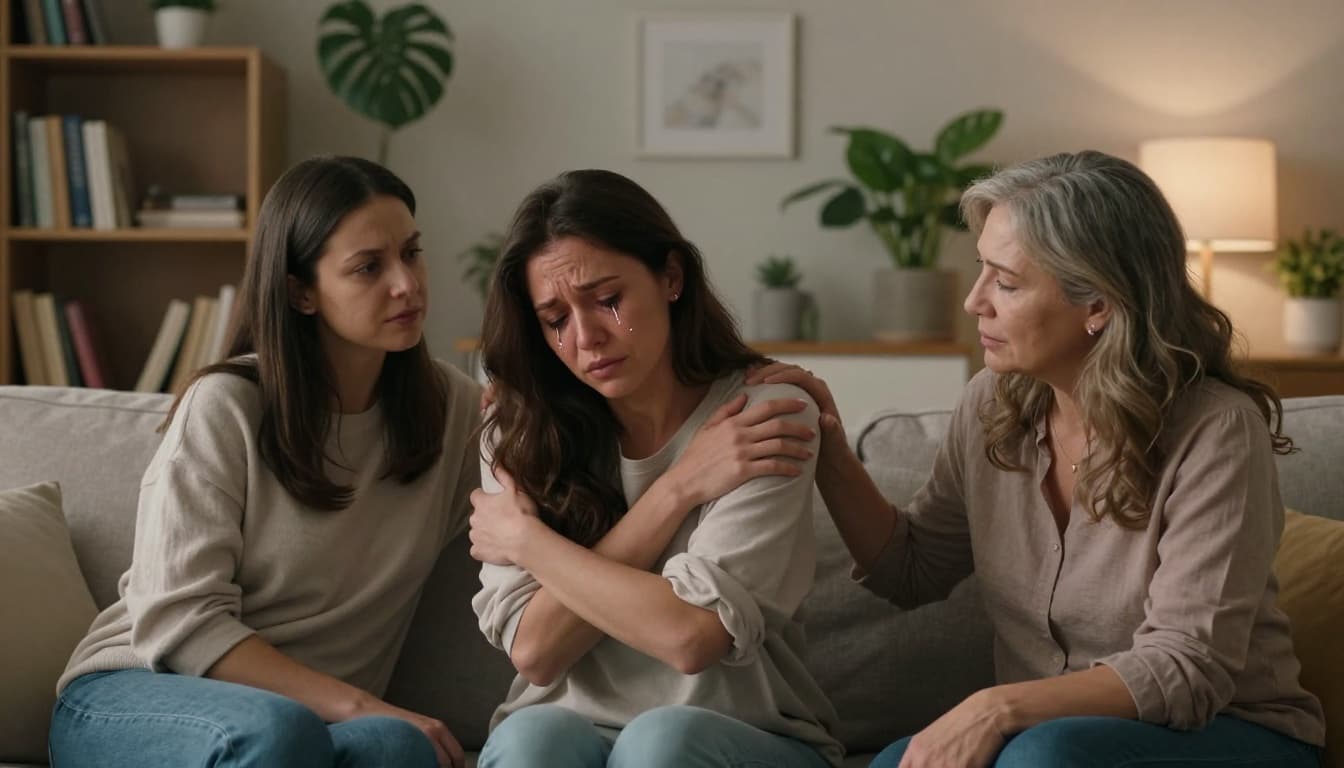 Friends offering comfort during a hard moment
Sometimes I don’t want “fine.” I want the book that tells the truth about grief, longing, jealousy, and forgiveness, then still offers a hand at the end. These picks feel more intense, more literary, and more likely to leave me staring at the wall after a chapter.
Tomorrow, and Tomorrow, and Tomorrow by Gabrielle Zevin delivers one of my favorite flavors of found family: long-term loyalty that survives messy love and painful seasons. The friendships are the center of gravity, and the story doesn’t flinch from the way people hurt each other by accident (and on purpose) when they’re scared. The emotional payoff comes from watching characters try again, even when “again” feels impossible.
Demon Copperhead by Barbara Kingsolver is heavier, but the found family thread is exactly what makes it readable for me. When the world keeps taking, the relationships that form feel like a lifeline made of frayed rope, not pretty, but strong. The book leans hard into grief and survival, and the chosen-family moments land because they come with real stakes and real cost.
Malibu Rising by Taylor Jenkins Reid is all about loyalty under pressure, especially inside a sibling group that has learned to function like its own island. The found family feeling comes from who stays when everything gets loud: fame, secrets, addiction, resentment, and old hurts that never got named. I like it when women’s fiction about found family admits that reconciliation is a process, not a single apology.
Found family with a twist: mystery, history, or magical realism that still feels heartfelt
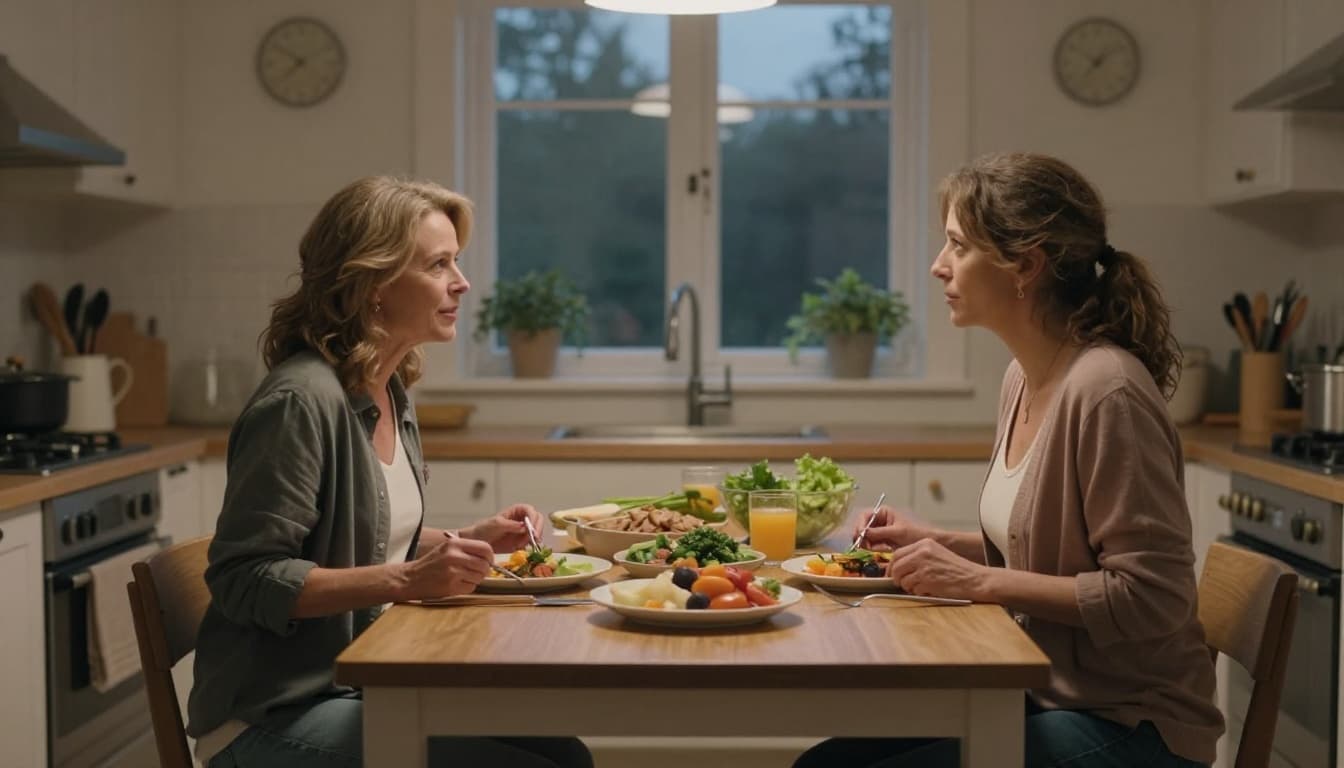
I love cross-genre found family because danger and secrets strip the fluff away. When characters face a mystery, a curse, or a hidden past, they don’t get to bond through cute brunches alone. They bond through trust tests. They share information. They protect each other. And that’s why found family can feel even more convincing in these stories: the relationships are forged in moments where walking away would be easier.
Ruby Falls by Gin Phillips (historical mystery with a magical realism thread) is the kind of book where a community’s shared secrets create unlikely alliances. When fear spreads, the people who choose to stand together start to feel like family, because safety becomes a group project.
The Temptation of Charlotte North by Camilla Bruce brings the found-family vibe into a gothic, island-set setup, where isolation changes the stakes. In stories like this, connection can feel like a flashlight in a long hallway. Even when the bonds are complicated, they matter because they’re one of the only anchors available.
Everything Lost Returns by Sarah Domet works beautifully for readers who like history-as-mystery. When a hidden past reaches forward, the relationships across time can mirror found family, people who never met still shape each other’s lives through what they leave behind.
The Seven Daughters of Dupree by Nikesha Elise Williams leans into generational ties, secrets, and resilience. Even when blood relationships are part of the structure, the found-family feeling shows up in the way women protect each other, carry each other, and sometimes choose each other again after betrayal.
When I want women’s fiction about found family with extra plot momentum, I pick the book where the characters have something to lose together. That “together” is the point.
Conclusion
Found family is my favorite promise in women’s fiction, the idea that “home” can be built on choice, not biology. In women’s fiction about found family, I’m always looking for relationships that grow through repeated, ordinary care, not instant besties energy. The real proof is in the small stuff, rides, meals, honest check-ins, and the way people show up after a fight.
When I’m picking my next read, I match the setup to my mood. If I want cozy comfort, I reach for the new-in-town circle or a small community that keeps saving a seat. If I want sharper humor and shared stress, I go for the workplace crew. If I want tender tension that turns into safety, I choose unlikely roommates. If I want depth and softness at the same time, intergenerational bonds hit every time.
What I keep coming back to is belonging that’s earned, repaired, and kept.
Thanks for reading, I’d love to hear from you, what’s your all-time favorite found family book, or which chosen-family dynamic do you fall for most?


